
Jordan Court of Cassation Finalizes Death Sentences Over Hamoud Church Massacre
Jordan's Court of Cassation has finalized death sentences for three men convicted of a deadly October attack on a Greek Orthodox church.
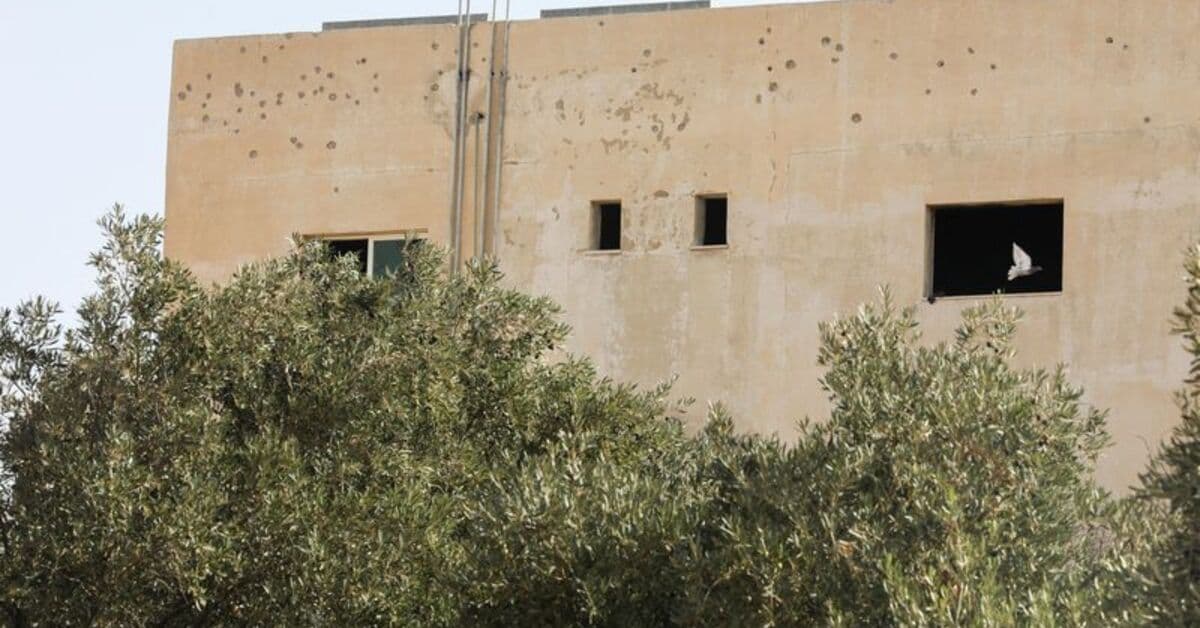
According to Reuters reporting published via Al-Monitor, Jordan's highest judicial body has finalized capital punishment for the individuals behind a devastating assault on a house of worship. The Court of Cassation upheld death sentences on Sunday for three men convicted of orchestrating the October 23 shooting at a Greek Orthodox church in the village of Hamoud.
That autumn attack claimed 9 lives and wounded 34 others during a funeral service, triggering shockwaves across the Middle East and prompting swift military retaliation beyond national borders.
Judicial authorities moved with exceptional speed to process the case through the nation's appellate system following initial sentencings handed down earlier in the month. The final ruling from the Court of Cassation means the capital sentences are absolute and cannot be subjected to further appeal under Jordanian law. This judicial swiftness highlights how high-stakes terrorism trials proceed when national security and minority protection occupy center stage.
The Legal Framework Behind the Terrorism Convictions
State prosecutors built their case on specific statutory charges designed to address violent extremism and illegal arms proliferation. The three defendants faced formal accusations that extended far beyond standard homicide charges under Jordanian counterterrorism statutes.
Statutory Charges and Prosecutory Scope
The tribunal convicted the perpetrators of carrying out deliberate terrorist acts resulting in loss of life. Investigators established that the defendants possessed illegal firearms and ammunition specifically intended for subversive violence. Furthermore, the court found the men guilty of actively promoting the radical ideology of an unnamed terrorist organization within local networks.
The Finality of Appellate Review
Sunday's announcement from the Jordanian state news agency marks the absolute end of the domestic judicial road for the condemned men. Because the Court of Cassation serves as the court of last resort, no higher judicial body exists to review or commute the decision. Legal experts note that executions in Jordan typically follow strict administrative sign-offs once appellate hurdles are permanently cleared.
Evidence Gathering and Forensic Analysis
Investigators deployed ballistics experts to match shell casings recovered at the church with weapons seized from the suspects' hideout. The forensic team logged over 200 fragments, linking each bullet to a distinct firearm registered to the trio. DNA swabs taken from the scene confirmed the presence of the accused during the attack.
These technical findings bolstered the prosecution's narrative that the men acted in concert, not as isolated gunmen. The court cited the forensic report as a cornerstone of its verdict, noting that the physical evidence left no room for reasonable doubt.
Judicial Precedent and Comparative Cases
Jordan's legal archives record only a handful of terrorism-related death sentences since the early 2000s. The most recent precedent involved a 2015 bombing plot targeting a market in Irbid, where the Supreme Court also upheld capital punishment. Both cases share a pattern of swift appellate review once the lower courts issue death sentences.
Human-rights observers argue that the consistency of these rulings signals a hardened stance against sectarian violence. Yet they also point out that each case triggers renewed calls for legislative reform, especially concerning the rights of minority communities.
Targeting Jordan's Christian Minority During a Funeral Service
The assault struck directly at a vulnerable gathering point in a rural community, making the tragedy exceptionally jarring for the country's social fabric. Rural Christian populations in Jordan have historically maintained peaceful coexistence with the wider Muslim majority. Armed gunmen storming a funeral inside a Greek Orthodox sanctuary shattered that sense of routine security.
Casualty Figures and Community Fallout
The October 23 bloodshed left 9 people dead on the stone floors of the Hamoud sanctuary, while another 34 individuals sustained varying degrees of gunshot wounds. Emergency medical services struggled to triage the large influx of trauma victims in the immediate aftermath. Local community leaders quickly mobilized to support grieving families while demanding ironclad state protection for minority religious sites across the kingdom.
Regional Geopolitical Reprecussions
The domestic tragedy immediately spilled across international borders as Amman sought to neutralize external threats tied to the massacre. Following the church shooting, Jordanian military forces launched targeted retaliatory strikes inside neighboring Syria against militant factions linked to the assault. These cross-border operations demonstrated the government's willingness to project force outward when internal security is violently breached.
Local Interfaith Response
In the days after the attack, Muslim clerics from nearby villages visited Hamoud to offer prayers and food to the victims' families. The joint vigils drew over 200 participants, signaling a collective rebuke of sectarian hatred. Community organizers used the moment to launch an interfaith council aimed at monitoring future threats.
The council drafted a charter pledging shared security patrols and rapid communication channels between churches and mosques. Officials hope the agreement will deter future attacks by fostering a visible, united front.
Economic Impact on Hamoud Village
Hamoud's weekly market, a lifeline for dozens of families, shut down for a full week after the shooting. Vendors reported a 40 % drop in sales, citing fear among shoppers traveling from surrounding towns. The local council appealed for emergency assistance, citing the need to replace damaged storefronts.
International NGOs responded with a modest grant earmarked for rebuilding the market's central stalls. The funds, while insufficient to cover all losses, provide a tangible sign that the village will not be abandoned.
Image: al-monitor.comAdministrative Execution Pathways and Counterterrorism Enforcement
The closure of the judicial phase turns attention toward how the state enforces capital penalties in high-profile national security cases. Jordan maintains the death penalty for specific heinous crimes, though moratoriums and intense international scrutiny often complicate implementation timelines.
Procedural Steps Leading to Final Resolution
With the Court of Cassation rejecting all avenues for reversal, the case file transitions to executive branches for administrative review. Judicial protocol dictates that death sentences must receive royal approval before execution warrants are formally signed and scheduled by prison administrators. Security forces remain on high alert across commercial centers and religious facilities to deter copycat plots or retaliatory unrest.
Broader Implications for Regional Security
The swift judicial conclusion underscores Amman's zero-tolerance policy toward extremist infiltration that targets communal harmony. Observers monitoring World News note that safeguarding minority populations remains a paramount national security test for the Hashemite Kingdom. As the state finalizes the administrative details of the verdict, regional analysts continue to watch how cross-border security cooperation evolves along the volatile northern frontier.
International Human Rights Scrutiny
Human-rights groups issued statements within hours of the Cassation ruling, urging Jordan to commute the sentences pending a review by the United Nations. The Amnesty International brief highlighted concerns over the lack of a transparent clemency process. Jordanian officials responded that the legal pathway already satisfies international standards for due process.
Nonetheless, diplomatic channels saw a flurry of contacts from European embassies seeking clarification on execution timelines. The Ministry of Foreign Affairs scheduled a briefing for foreign envoys later this month, indicating a willingness to engage on the issue.
Logistical Arrangements for Execution
Prison authorities began preparing a secure wing at the Swaqa facility to house the condemned men pending the royal decree. The protocol requires a medical board to certify the prisoners' fitness for execution, a step that can add weeks to the schedule. Families of the victims were notified that a public statement will be issued once the date is fixed.
Security personnel were also tasked with reinforcing nearby checkpoints to prevent any unrest during the anticipated execution period. The government warned that any attempt to disrupt the process would be met with immediate legal action.
Jordan's royal court is expected to issue the final decree by early December, a move that will set the execution date and trigger the last administrative steps. The impending decision places the kingdom at a crossroads between asserting its anti-terrorism resolve and navigating mounting international pressure.
The Morning Brief
One email a day with the stories that matter. Free, forever.
No spam. Unsubscribe anytime.
Comments (0)
Be the first to share your thoughts.