
Eleven Coal Miners Slain in Balochistan Attack as Police Launch Manhunt Across Remote Extraction Hubs
Unidentified militants abducted and killed 11 coal mine workers in Pakistan's Balochistan province on Sunday, prompting an urgent police manhunt.
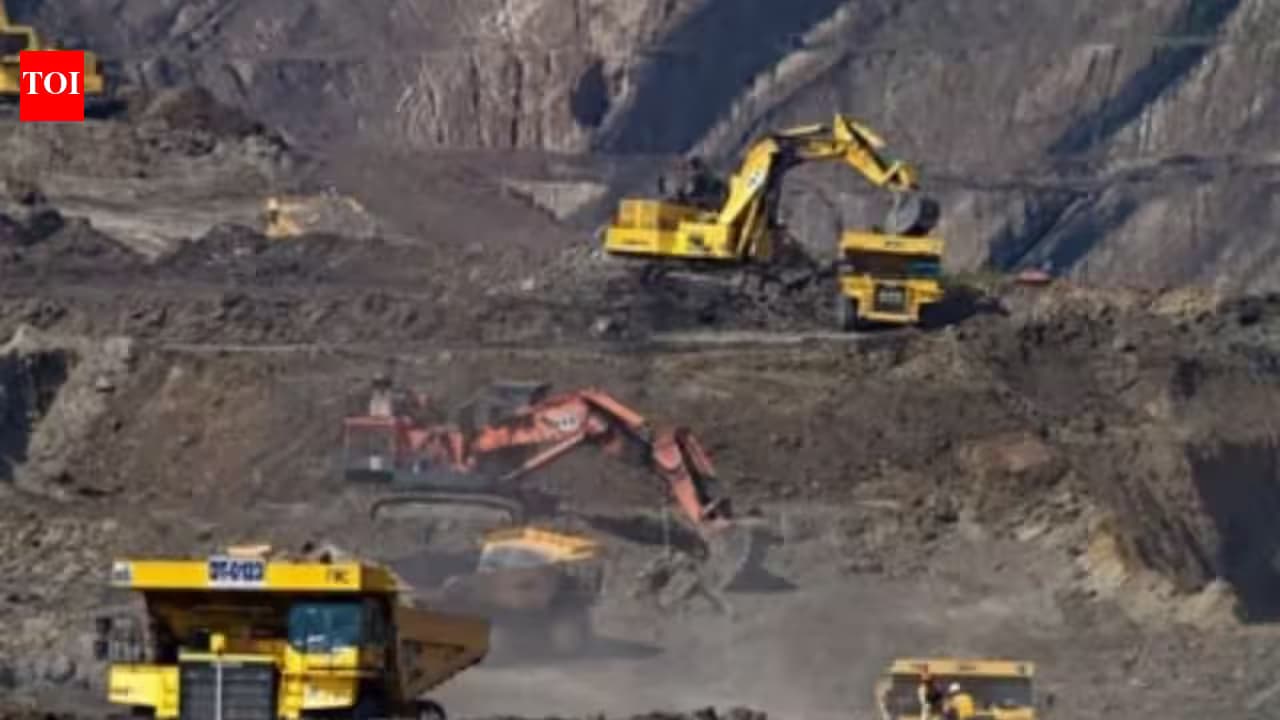
The Divergence Between Standard Security Assessments and Balochistan Extraction Realities
According to reports from the Times of India and Dawn, unidentified militants abducted and killed 11 coal mine workers in Pakistan's southwestern Balochistan province on Sunday. The prevailing assumption across federal security desks often frames provincial extraction zones as distant logistics corridors where isolated incidents remain rare exceptions. Yet the verified reality on the ground in Balochistan reveals a starkly different baseline of persistent danger for day laborers in mineral-rich valleys.
Mining operations in these remote districts rely heavily on vulnerable workforces who lack basic communication links or immediate law enforcement cover. When armed groups target these extraction pits, the physical isolation guarantees hours of delay before state responders learn of the assault. That structural lag fundamentally alters how regional authorities must measure vulnerability across remote industrial camps.
Why Conventional Risk Models Miss Local Threats
National security assessments typically aggregate data at the provincial level, smoothing out spikes that occur in isolated valleys. By treating Balochistan as a single statistical unit, analysts dilute the impact of attacks that cluster around specific seams. The result is a blind spot that leaves miners exposed while policymakers claim overall stability.
Field reports from local NGOs show that most violent episodes happen within a 30-kilometer radius of active pits, a pattern hidden in broader crime charts. When a militia knows the exact route workers take to the loading area, it can strike with surgical precision. This micro-targeting defeats any generic threat rating that ignores terrain and routine.
Impact on Day-Laborer Mobility and Family Livelihoods
Seasonal laborers travel from Sindh and Punjab to chase higher wages, often staying in makeshift camps without electricity or water. The fear of kidnapping forces many to forego night shifts, cutting daily output by up to 20 percent according to unofficial site logs. Families back home receive delayed paychecks, stretching already thin household budgets.
Because compensation rarely covers transport costs, workers sometimes accept cash advances from contractors, binding them to dangerous sites. When an attack occurs, the financial shock ripples through extended kin networks, prompting some families to withdraw entirely from mining work. The long-term effect is a shrinking labor pool that hampers production growth.
Image: timesofindia.indiatimes.comHow Security Deficits Shape Industrial Extraction in Southern Pakistan
Balochistan holds vast mineral reserves that drive domestic energy supply, yet the extraction process itself unfolds under constant security friction. Local police officials confirmed the Sunday abductions turned fatal hours later when search parties located the bodies near the mine shafts. Understanding this tragedy requires looking past generalized regional volatility to examine the specific logistical hurdles facing remote World News reporting desks.
Supply Chain Bottlenecks Tied to Insecurity
Transport trucks must navigate narrow passes that double as ambush sites for insurgents. When a convoy is delayed, coal piles sit exposed for days, increasing the risk of spontaneous fires. These interruptions force exporters to renegotiate contracts, often at a discount that erodes profit margins for local operators.
Warehouse managers report that inventory turnover slows dramatically after any security alert, stretching storage capacity beyond safe limits. The resulting backlog pushes mining firms to hire additional temporary labor, which in turn raises exposure for more unprotected workers. The cycle feeds itself, keeping the sector perpetually on edge.
The Logistical Realities of Remote Mine Security
Mining leases in the province are frequently scattered across rugged terrain separated by hours of unpaved mountain tracks. Private operators rarely maintain dedicated tactical guards, leaving workers exposed to sudden militant incursions without early warning systems. Law enforcement patrols operate on stretched response radiuses that make immediate interception impossible once an assault begins.
Community Perception of Guard Presence
Villagers near the shafts often view private security forces with suspicion, recalling past incidents where guards colluded with local power brokers. This mistrust discourages residents from sharing intelligence that could pre-empt attacks. As a result, early warning networks remain fragmented, and militants exploit the information vacuum.
State Response Protocols and the Immediate Manhunt
Provincial police units deployed heavy reinforcements to the surrounding valleys immediately following the discovery of the victims. Search teams are combing adjacent ridges and local cave systems to track down the perpetrators responsible for Sunday's executions. Investigators are checking local informant networks to determine which faction carried out the raid on the labor camp.
Legal Gaps in Mine Security Enforcement
National mining statutes require operators to provide basic safety gear but stop short of mandating armed protection. Courts have yet to issue a precedent that forces companies to secure their sites against militant threats. Without clear legal pressure, many firms opt for minimal security spending, betting that low-profile operations will avoid attention.
Image: timesofindia.indiatimes.comWeighing Economic Necessity Against Ongoing Provincial Violence
Federal planners frequently emphasize the economic imperative of expanding domestic coal output to stabilize national energy grids. However, that top-down industrial target collides directly with the human cost borne by laborers who travel from other provinces for seasonal work. When 11 workers lose their lives in a single Sunday raid, the entire calculus of regional energy extraction faces urgent scrutiny from labor advocates and security analysts alike.
Cost Calculations for Energy Policy Makers
The Ministry of Energy estimates that each megawatt of coal-generated power saves roughly $0.12 per kilowatt-hour compared with imported gas. Yet the hidden security premium—extra insurance, private guards, and emergency evacuations—adds an estimated $15-$20 per tonne of coal extracted. When attacks spike, those costs can double, eroding the projected savings.
Analysts point out that a single week of halted production in a major pit can shave 2-3 percent off the national supply forecast, forcing the grid to rely on costly imported fuel. The financial ripple reaches households in Karachi and Lahore, where electricity bills rise in response to the shortfall. Thus, each violent episode reverberates far beyond the mine's perimeter.
Labor Union Demands and Government Negotiations
Families of the victims and local labor unions are demanding immediate accountability and enhanced protection guarantees for all active mining sites in the district. Union leaders have organized sit-ins at provincial offices, pressing for a dedicated mine-security task force. Officials have signaled willingness to draft new guidelines, but implementation timelines remain vague.
Negotiations also touch on wage adjustments to compensate workers for the heightened risk. Some contractors have offered a 10-15 percent hazard premium, yet miners argue that money cannot replace the loss of a brother or son. The stalemate threatens to stall new lease approvals until a concrete security framework is in place.
State officials now face the difficult task of balancing aggressive resource extraction goals against the severe security deficit plaguing remote industrial settlements. Until permanent outposts secure these valleys, miners will continue to pay the highest price for provincial instability.
The Morning Brief
One email a day with the stories that matter. Free, forever.
No spam. Unsubscribe anytime.
Comments (0)
Be the first to share your thoughts.