
Liverpool and Everton Share Points in Entertaining Merseyside Derby Clash
Liverpool and Everton played to an entertaining draw in their latest Merseyside derby clash, splitting the points after a tightly contested tactical battle.
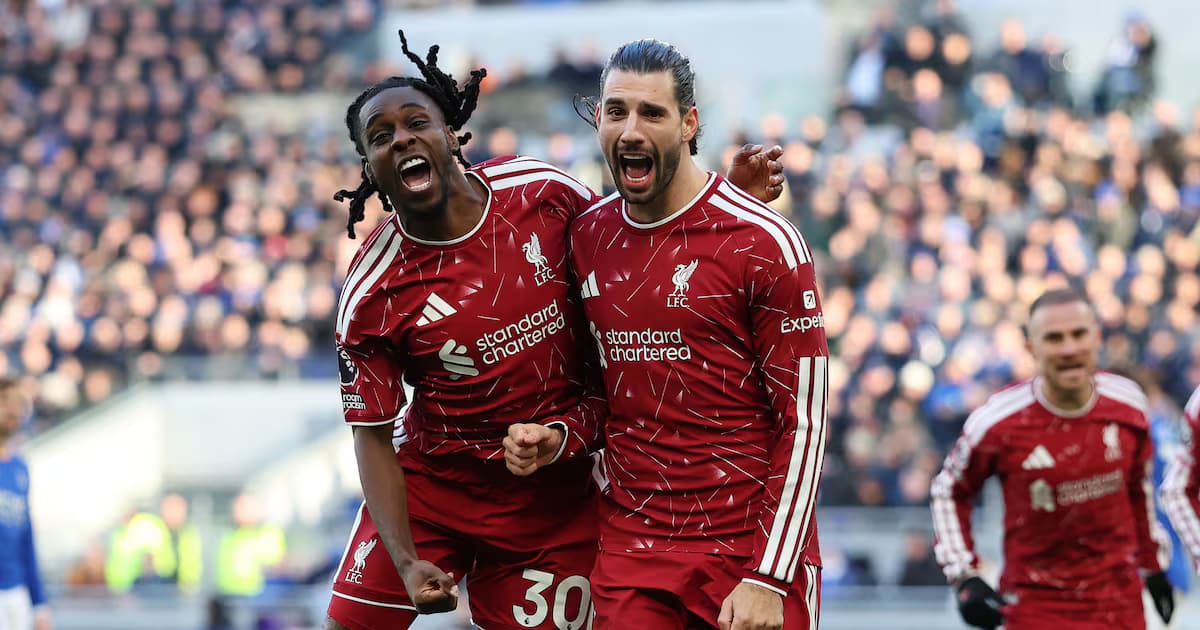
How the Merseyside Derby Point Split Alters the Table Dynamics
According to reports from The National, Liverpool and Everton played to a competitive draw in their latest Merseyside derby encounter. The fixture delivered an entertaining tactical battle that ultimately left both sides sharing the spoils on the day. For observers tracking Sports updates, matches between these cross-town rivals rarely lack intensity.
Local fixtures carry a heavy emotional weight that often overrides current league form and tactical blueprints. Players stepped onto the pitch knowing that dropped points would sting supporters long after the final whistle blew. This particular stalemate injected fresh volatility into the standings without offering a definitive answer to either club's seasonal ambitions.
Tactical Pressures and Midfield Battles
Both managers deployed setups designed to choke space in central areas from the opening whistle. Neither side could establish a dominant tempo during the first half of regulation play. Possession metrics remained tightly contested as the clock ticked forward.
Midfield enforcers locked horns in endless physical duels that broke up any attempts at fluid, rhythmic passing sequences. Every loose ball triggered an immediate swarm of blue and red shirts contesting the territory. Coaches barked instructions from the technical area, demanding tighter marking and faster recovery runs.
Passing lanes through the half-spaces stayed firmly sealed by disciplined defensive shapes operating just ahead of the back lines. Playmakers found themselves swarmed by markers the moment they received a pass with their back to goal. This congested central corridor forced teams to recycle possession sideways rather than thrusting vertical balls forward.
Finishing Deficits and Missed Opportunities
Goalscoring chances proved scarce despite sustained periods of attacking pressure near the penalty areas. Strikers from both squads failed to convert critical openings during high-stakes sequences. Defensive blocks held firm under repeated aerial assaults.
Wingers managed to carve out occasional half-yards of space for crosses, but center-backs cleared the danger with authoritative headers. Snapped shots flew high over the crossbar as attackers rushed their mechanics under intense pressure. Frustration mounted on the touchlines as promising build-up play repeatedly fizzled out inside the eighteen-yard box.
Goalkeepers handled routine collections cleanly, though neither was forced into a truly miraculous save across the ninety minutes. The lack of clinical edge in the final third turned what could have been a classic thriller into a war of attrition. Both attacking units will spend the training ground sessions reviewing wasted transitional moments before the next weekend arrives.
Image: thenationalnews.comEvaluating the Quantitative Reality of the Derby Result
A single point gained provides immediate tactical relief but leaves broader seasonal questions unanswered for both clubs. Statistical analysis of the fixture highlights a near-even split in territory and shot creation. Data skeptics will note that possession percentages rarely tell the full story of goalmouth danger.
Raw numbers reveal a match that balanced on a razor edge from the opening minute until stoppage time. Expected goals models calculated a nearly identical threat level for both attacking units. Neither squad demonstrated the ruthless efficiency required to break the defensive deadlock permanently.
Fixture Congestion and Squad Fatigue Metrics
Squad rotation becomes an immediate priority as the winter fixture schedule intensifies across the league. Managers face difficult choices regarding player load management in upcoming matches. Physical metrics show high high-intensity sprint counts across both starting XIs.
Sports science departments tracked punishing physical outputs as players covered massive ground across the slick turf. Hamstrings and calves tightened during the frantic closing stages, prompting hurried late substitutions from both benches. Recovery protocols now dictate the training schedule ahead of quick turnarounds in mid-week domestic cup fixtures.
The Statistical Caveat Behind Shared Points
Derby matches notoriously distort standard performance indicators due to heightened emotional friction on the pitch. Expected goals models suggested both teams generated roughly equal quality scoring opportunities over the ninety minutes. Neither side produced the clinical finishing required to claim all three points decisively.
Analysts caution against reading too much into a single localized fixture when assessing long-term squad trajectories. Set-piece routines and defensive clearances often skew variance in low-scoring affairs like this one. Coaches must sift through the match data objectively to separate genuine tactical progress from sheer emotional adrenaline.
Image: thenationalnews.comWeighing Ambition Against Defensive Pragmatism
Arne Slot's tactical choices prioritized structural control over reckless attacking abandon as the second half progressed. Everton's defensive organization stifled Liverpool's wide creators for long stretches of the contest. Competing pressures forced both technical areas into conservative late-game substitutions.
Risk aversion took over as the clock wound down toward the ninetieth minute of a punishing encounter. Neither manager wanted to overextend their defensive lines and gift a cheap transition goal to their bitter rivals. The resulting stalemate reflected a calculated compromise between chasing glory and protecting a valuable point.
Supporter Expectations Versus Squad Realities
Fan bases demand victory in local showdowns regardless of broader league table contexts or injury crises. Players absorbed intense pressure from the stands as momentum shifted back and forth across the pitch. The final whistle brought relief to the visitors and lingering frustration to the hosts.
Terraces hummed with nervous energy as supporters urged their teams forward during every attacking sequence. Boos greeted sideways passes, while successful tackles drew cheers that rivaled goals. This unique tribal atmosphere turns every ordinary league match into a test of psychological resilience for young players.
League Standing Repercussions
The draw forces both clubs to recalibrate their immediate targets for the upcoming stretch of winter fixtures. Every dropped point alters the mathematical projections for European qualification and relegation survival alike. Attention now turns swiftly to mid-week recovery sessions and preparations for the next round of matches.
Tables shift by microscopic margins during this unforgiving phase of the domestic football calendar. Clubs holding games in hand eye the standings with anxious anticipation as positions fluctuate weekly. The point split leaves the table tighter than ever, ensuring the next batch of fixtures carries even greater consequence.
The Morning Brief
One email a day with the stories that matter. Free, forever.
No spam. Unsubscribe anytime.
Comments (0)
Be the first to share your thoughts.