
Iran Orders Intelligence Ministry Overhaul After Security Breaches
Iran's Supreme Leader has ordered a major shake-up of the country's intelligence system after years of security gaps and high-profile breaches.
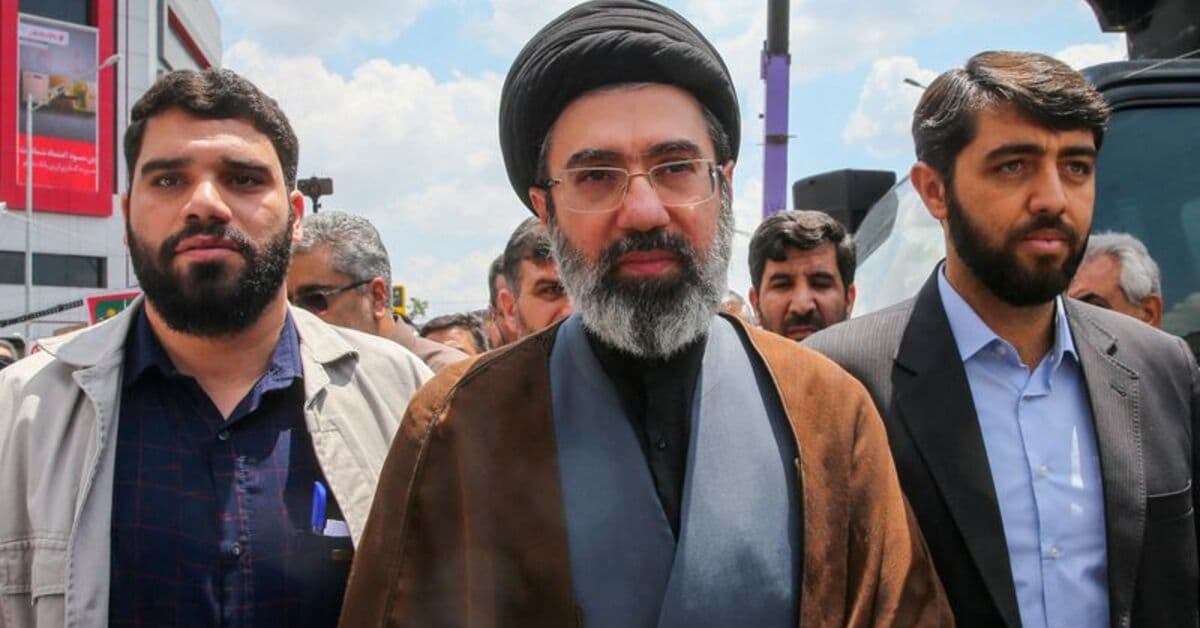
How Security Breaches Triggered a Major Intelligence Overhaul in Tehran
According to reporting from Reuters, Iran's Supreme Leader Ayatollah Mojtaba Khamenei has ordered a comprehensive restructuring of the nation's intelligence apparatus. Parliamentary speaker MohammadBaqer Qalibaf announced the sweeping directive following years of high-profile security failures that exposed deep vulnerabilities within state structures. Lawmakers acted swiftly to advance the restructuring bill after administrative delays stalled executive action on the critical security portfolio.
The string of breaches has also rattled Iran's domestic markets, where investors watch security alerts as closely as oil price swings. When a senior facility is compromised, banks tighten credit lines and exporters brace for sanctions that could follow. Those ripple effects make the intelligence overhaul a matter of economic survival as much as national pride.
The Succession Vacuum Left by High-Level Strikes
The intelligence ministry has operated without a permanent leader since the March 18 death of former minister Esmail Khatib. Khatib perished in an Israeli airstrike, leaving an acute leadership vacuum at the top of the civilian security apparatus. The vacancy persisted as the government grappled with the broader chaos of regional military escalations and leadership transitions.
Interim officials filled the gap, but their authority was routinely questioned by rival factions within the armed forces. Acting director Farhad Naderi, a career technocrat, struggled to issue decisive orders while senior generals pressed for a clerical figurehead. That internal tug-of-war slowed response times and amplified the perception of a leaderless agency.
Previous leadership figures, including Khatib, maintained deep ties to the office of former Supreme Leader Ayatollah Ali Khamenei. The elder Khamenei died during US-Israeli strikes at the onset of the regional conflict, paving the way for Mojtaba Khamenei to assume supreme authority. This layered chain of leadership losses created an unprecedented administrative crisis within the intelligence directorate.
Decades of Deep Penetration and Sabotage
Systemic intelligence gaps first drew international scrutiny during landmark security breaches inside Iranian territory. In 2020, top nuclear scientist Mohsen Fakhrizadeh was assassinated in an operation that laid bare foreign intelligence access. Security analysts watched in astonishment when Hamas leader Ismail Haniyeh was subsequently killed in Tehran in 2024.
The vulnerabilities reached a peak during a 12-day war in June 2025. Israeli operatives stationed inside Iran successfully coordinated strikes against air defenses, missile launchers, and high-ranking military commanders. These repeated security failures made a top-to-bottom institutional review inevitable for survival.
Beyond kinetic attacks, cyber intrusions have siphoned classified data from Tehran’s nuclear labs since 2018. Hackers leveraged zero-day exploits to exfiltrate design schematics, forcing Iranian engineers to rebuild protocols from scratch. Each breach eroded trust in the ministry’s ability to guard both physical and digital frontiers.
Repercussions for Iran's Foreign Policy
Diplomats in Tehran now argue that intelligence lapses have limited bargaining power at the UN security council. When allies cannot rely on secure communications, joint statements lose credibility and adversaries gain leverage. The new overhaul therefore doubles as a diplomatic signal that Iran intends to tighten its informational shield.
Regional partners such as Iraq and Syria watch the reforms with cautious optimism, hoping that a steadier Iranian intelligence service will reduce spillover attacks along their borders. Yet they also fear that a more aggressive posture could embolden Tehran to intervene in proxy conflicts with greater confidence.
Legislative Maneuvers and the Push for Non-Clerical Leadership
Parliamentary leaders initially demanded that the executive branch draft a comprehensive reform bill to fix the broken agency. When government delays dragged on, lawmakers seized the initiative and drafted the overhaul legislation themselves. On Sunday, the parliament approved the general outline of the bill and immediately began debating specific operational provisions.
The most striking departure in the new legislation involves relaxing strict clerical prerequisites for the intelligence minister's office. Historically, candidates required high-level qualifications in Islamic legal reasoning, known as ijtihad. The updated framework opens the path for non-clerical professionals to take the helm.
Debates in the Majlis revealed a split between hard-line clerics and reform-leaning technocrats. Conservatives warned that removing religious criteria could erode ideological loyalty, while younger MPs cited the need for expertise in cyber warfare and data analytics. The vote passed with a narrow majority, reflecting a fragile consensus.
Expanding the Talent Pool for Security Chiefs
Under the proposed legislative changes, candidates holding a master's degree can now qualify for the ministerial post. Aspirants must demonstrate specialized expertise and direct experience in intelligence affairs to be considered. Lawmakers also introduced a strict tenure requirement of at least 10 years in middle- or senior-management roles.
This pragmatic shift acknowledges that modern state security requires specialized technical and managerial competence alongside traditional religious credentials. By broadening candidate eligibility, Tehran hopes to attract seasoned administrators capable of modernizing surveillance and counterintelligence operations.
Potential nominees include former IRGC cyber-commanders and university professors who have published on signal intelligence. Their resumes list joint exercises with Russian and Chinese agencies, suggesting a willingness to import best practices. If appointed, they would inherit a ministry still reeling from recent operational setbacks.
Resistance from Conservative Clerics
Senior members of the Assembly of Experts issued a statement insisting that any minister must retain a grounding in Islamic jurisprudence. They argue that moral authority underpins covert actions and that a purely technocratic leader could drift from revolutionary ideals. Their objection has already sparked a series of closed-door meetings with the Guardian Council.
Some clerics have proposed a compromise: a dual-leadership model pairing a secular chief of staff with a symbolic religious overseer. Critics say the arrangement would create bureaucratic gridlock, but supporters claim it preserves ideological continuity while injecting expertise.
Image: al-monitor.comNext Steps as the Guardian Council Reviews the Reform Bill
Parliamentary speaker Qalibaf stressed that the government must move quickly to appoint a permanent minister once the legislative process concludes. The bill now awaits final review and approval by the Guardian Council, the powerful constitutional watchdog body that vets all legislation. Delays at this final hurdle could prolong the administrative limbo plagging the intelligence agency.
As state media publicizes the structural changes, ordinary citizens and regional observers watch to see if legislative fixes can outpace external security threats. The ultimate test of the overhaul will rest on whether new leadership can secure sensitive state borders and plug persistent intelligence leaks. The timeline for the Guardian Council's ruling remains the immediate focus for Iran's political leadership.
Historically, the Council has taken up to six weeks to deliberate on security-related bills, often inserting language that re-emphasizes clerical oversight. Analysts therefore expect a series of amendments that could re-introduce qualifications tied to religious scholarship.
Potential Scenarios After Council Approval
If the Council endorses the bill without major changes, the president can name a minister within ten days, allowing the ministry to resume full operations before the summer heat peaks. A swift appointment would also give Tehran a chance to re-engage with allies ahead of the upcoming Non-Aligned Movement summit.
Should the Council reject key provisions, parliament may need to rewrite sections, extending the reform timeline by months. In that case, interim commanders would continue to run day-to-day intelligence work, a situation critics say leaves the agency vulnerable to further infiltrations.
Either outcome will shape Iran's ability to respond to looming threats, from border skirmishes with Azerbaijan to covert sabotage attempts on its oil infrastructure. The next few weeks will therefore determine whether Tehran can transform a crisis into a lasting institutional reset.
The Morning Brief
One email a day with the stories that matter. Free, forever.
No spam. Unsubscribe anytime.
Comments (0)
Be the first to share your thoughts.