
Philippine Families Seek Accountability as Rodrigo Duterte Faces ICC War on Drugs Trial
Former Philippine President Rodrigo Duterte faces his first day of trial at the ICC for crimes against humanity linked to a deadly drug war.
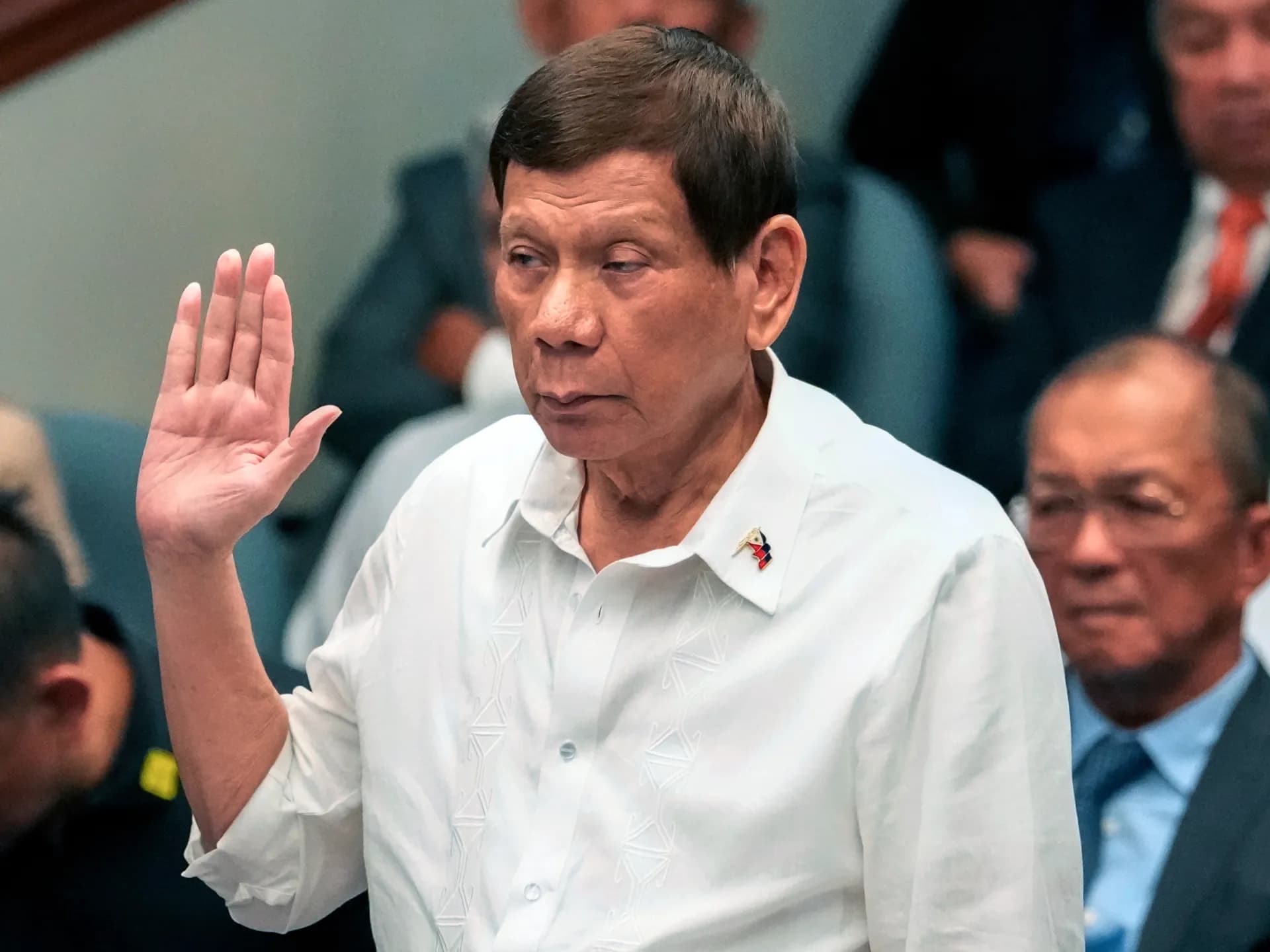
According to Al Jazeera, the real story of Rodrigo Duterte's appearance at The Hague isn't just the docket number or the jurisdictional wrangling — it's what his day in court makes possible for thousands of families who spent a decade locked in silence. Ten years after the former Philippine president launched a nationwide crackdown on illegal drugs, the 81-year-old former leader stands before the International Criminal Court facing charges of crimes against humanity.
That prosecution opens a turbulent chapter for a country still reckoning with thousands of extrajudicial killings, exposing sharp divides over sovereignty, impunity, and the limits of domestic justice.
The Turning Point at The Hague and the Battle Over Jurisdiction
The ICC proceedings mark a historic juncture for international accountability, pitting victims' advocates against a formidable political machine that still commands deep loyalty across the archipelago. When Duterte withdrew the Philippines from the Rome Statute in 2019, his administration explicitly sought to slam the door on outside inquiries into the bloody antidrug operations that defined his six-year presidency.
Yet the court asserted jurisdiction over events spanning 2011 to 2019, when the nation remained an official state party. Philippine authorities arrested Duterte at Manila's international airport last year before transferring him to custody in the Netherlands.
Legal Obstacles and the Rome Statute Threshold
The prosecutor's case hinges on establishing a widespread and systematic attack against a civilian population during Duterte's mayoral tenure in Davao and his subsequent presidential term. Official police figures from the end of his term cite roughly 6,200 deaths during antidrug sweeps, while human rights watchdogs estimate the toll reached between 20,000 and 30,000 victims.
Local legal hurdles proved nearly insurmountable for grieving relatives, who faced systemic intimidation and manipulated death certificates that blamed natural causes like pneumonia or heart attacks for bullet wounds. Because of these domestic roadblocks, international intervention became the only viable avenue for families demanding answers.
Domestic Friction and Political Fallout in Manila
The proceedings in Europe have ignited intense domestic backlash from supporters who view the tribunal as an overreach of foreign authority into domestic affairs. Vice President Sara Duterte has openly challenged the legitimacy of the court, framing the prosecution as a politically motivated maneuver orchestrated by external powers. Meanwhile, grassroots defenders of the former president argue that his iron-fisted approach restored public safety during a time of rampant narcotics trafficking.
This polarization extends directly into the upcoming political landscape, where the Vice President navigates her own high-stakes impeachment trial ahead of the 2028 presidential election cycle.
Winners, Losers and the Reconfiguration of Political Leverage
The shifting gravity of power alters calculations for every faction involved in the country's turbulent politics. For the families of the fallen, the trial represents an unexpected reclamation of agency after years of state-sponsored intimidation and enforced silence. Grassroots advocacy groups and community enterprises, such as Manila's Silingan Coffee, have evolved from quiet support networks into financial engines funding travel for relatives testifying abroad.
Conversely, political loyalists and police officials who operated with near-total impunity now face the unprecedented reality of international scrutiny, disrupting a long-standing culture of protection.
I know there is still a long road ahead. But seeing Duterte in court is something I never expected. I had almost lost hope. Now, I want to tell my mom that I’m not going to stop until justice is served.
— Lovely, Barista and Survivor
Despite these legal breakthroughs, deep structural constraints continue to shield many architects of the crackdown from meaningful reckoning. A civilian-led Truth Commission launched in May has surfaced dozens of doctored death certificates and falsified police reports, yet only a handful of cases have resulted in criminal convictions. Critics within local peacekeeping units maintain that trying a former head of state outside domestic courts undermines national sovereignty.
That nationalist sentiment keeps millions of voters firmly anchored to the Duterte family brand, complicating efforts to build a unified post-crackdown consensus.
Image: aljazeera.comFuture Milestones and the Long Road to Final Verdicts
The months ahead will test whether international jurisprudence can pierce the wall of silence constructed around the Philippine drug war. Prosecutors must substantiate patterns of command responsibility while defense attorneys press challenges regarding witness credibility and tribunal jurisdiction. For survivors like Lovely, whose parents were killed in their Manila home in 2016, the proceedings offer a fragile bridge between historical trauma and legal closure.
As the judges in The Hague weigh the evidence, the true measure of the trial will rest on its capacity to establish a definitive judicial record where domestic institutions faltered.
The Morning Brief
One email a day with the stories that matter. Free, forever.
No spam. Unsubscribe anytime.
Comments (0)
Be the first to share your thoughts.