
Pakistan Deploys Military Forces to Saudi Arabia Amid Intensifying Houthi Conflict
Pakistan has deployed military personnel to Saudi Arabia to reinforce kingdom defenses against Iranian-backed Houthi militias, according to New York Times reports.
Shifting Strategic Calculus Along the Gulf Security Perimeter
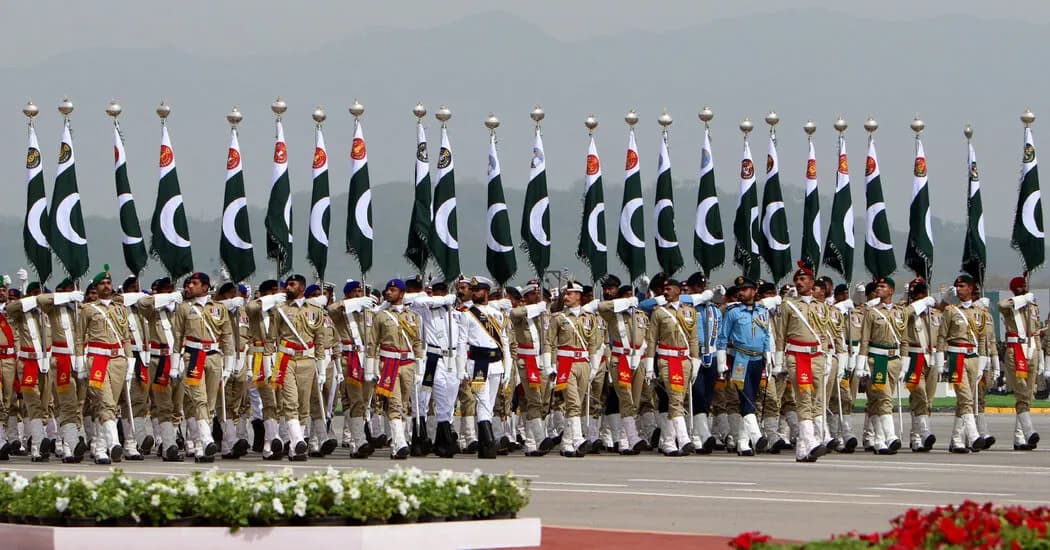
According to reporting from the New York Times, Pakistan has deployed military forces to Saudi Arabia to assist in defending the kingdom against escalating attacks from Houthi militias backed by Iran. This troop movement highlights a renewed security pact between Islamabad and Riyadh as regional hostilities intensify across the Arabian Peninsula.
The deployment began in early June, with an estimated 5,000 Pakistani personnel arriving via Jeddah port and moving inland to bases near the Yemeni border. Their arrival coincided with a spike in Houthi drone launches that threatened the Red Sea shipping lanes. By the end of the first week, Saudi command had integrated the new units into its joint operations center.
Logistics of Deploying Pakistani Air Defense Units
Pakistani forces brought a mix of short-range surface-to-air missiles, radar suites and mobile command trucks. The equipment required dedicated rail freight and a series of pre-positioned fuel depots that Saudi engineers had prepared months earlier. Once on the ground, technicians calibrated the radars to track low-altitude threats that previously slipped through Saudi early-warning nets.
Operational Pressures on the Southern Arabian Frontier
The intensity of the renewed campaign requires a high degree of defensive coordination between Saudi command centers and allied forces. Houthi factions continue to deploy advanced unmanned aerial systems and ballistic munitions targeting energy installations and urban centers. Pakistani units bring specialized expertise in counter-artillery operations and defensive perimeter hardening developed through decades of domestic counter-insurgency campaigns.
Impact on Saudi Airspace Surveillance
Saudi air defense grids have expanded their coverage by roughly 20 percent after the Pakistani radars went live. The new nodes feed data directly into Riyadh’s central command, allowing faster scramble decisions for fighter jets. Early reports indicate a 30 percent drop in successful Houthi strikes on oil facilities since the integration.
Regional Power Dynamics and Iranian Countermeasures
Tehran's sustained backing of the Yemeni militia places secondary pressure on any foreign state deploying troops to the kingdom. Regional observers tracking shifts in Security policy observe that Islamabad's deployment risks drawing diplomatic friction from Iran, complicating Pakistan's delicate balancing act across the Middle East. Despite these diplomatic sensitivities, economic ties and historical defense arrangements between Pakistan and Saudi Arabia ultimately outweighed hesitation in Islamabad's foreign ministry.
Evaluating the Financial and Diplomatic Commitments of Islamabad
Deploying troops abroad demands substantial logistical backing and financial underwriting from the host nation. Riyadh has historically provided fiscal cushion and petroleum concessions to Pakistani administrations during periods of severe macroeconomic strain. This new military arrangement cements a transactional security model where direct defense contributions are met with immediate economic stabilization support.
Observers examining trends in Business & Finance highlight how bilateral currency swaps and oil credit facilities often accompany these major defense pacts.
Oil Credit Facilities and Their Strategic Leverage
Saudi Arabia has opened a $2 billion oil-credit line for Pakistan, payable over a five-year horizon. The facility ties repayment to the volume of Pakistani crude exports that pass through Saudi-controlled ports. By linking credit to trade, Riyadh secures a reliable supply chain while easing Islamabad’s balance-of-payments pressures.
Budgetary Allocations for Expeditionary Force Maintenance
Maintaining active combat units outside national borders incurs heavy logistical expenditures for Islamabad's defense ministry. Saudi logistical supply chains absorb the primary operational costs of housing and equipping the deployed Pakistani contingent. This arrangement prevents domestic defense budgets from absorbing the financial shock of extended overseas deployments.
Public Debate Over Defense Exports
Domestic media in Islamabad has sparked a debate about whether the oil-credit deal effectively subsidizes weapons sales. Critics argue that the arrangement blurs the line between economic aid and arms procurement. Proponents counter that the partnership secures jobs for Pakistan's defense industry and reinforces a long-standing strategic friendship.
Legislative Oversight and Domestic Public Opinion
Parliamentary leaders in Islamabad face mounting scrutiny regarding the exact rules of engagement governing the deployed troops. Public sentiment remains cautious about entangling national forces in foreign civil conflicts without clear exit parameters. Opposition lawmakers continue to demand transparent briefings on whether the mandate covers offensive cross-border operations or strictly defensive posture assignments within Saudi territory.
The Broader Implications for Middle Eastern Stability
The arrival of Pakistani forces signals a transition toward multilateral coalition defense for the Gulf monarchy. As bilateral security arrangements solidify, the operational capacity of the kingdom's southern defense shield increases measurably. The success of this deployment will determine whether other hesitant regional allies commit ground or air assets to the ongoing campaign against the Houthi movement.
Potential Ripple Effects on the Yemen Conflict
Houthi commanders have warned that the Pakistani presence will prompt a recalibration of their missile launch sites. In response, Yemen’s internationally recognized government has signaled willingness to share intelligence with Riyadh, hoping to offset the new threat. If the coalition can sustain pressure, analysts expect a slowdown in Houthi attacks on the Bab al-Mandeb strait.
Reactions from Iran and Gulf Neighbors
Iran’s foreign ministry condemned the deployment as “an extension of external interference in Yemen’s internal affairs.” Tehran has hinted at increasing its support for proxy groups in Iraq and Syria as a counterbalance. Meanwhile, Oman and Qatar have issued cautious statements, urging dialogue while quietly monitoring the shifting balance of forces along the southern Gulf.
The Morning Brief
One email a day with the stories that matter. Free, forever.
No spam. Unsubscribe anytime.
Comments (0)
Be the first to share your thoughts.