
Bangladesh Unrest Escalates As Awami League Activist Killed Ahead of Hasina Return
A man believed to be an Awami League activist was killed in clashes as Bangladesh faces violent unrest ahead of Sheikh Hasina’s December return.
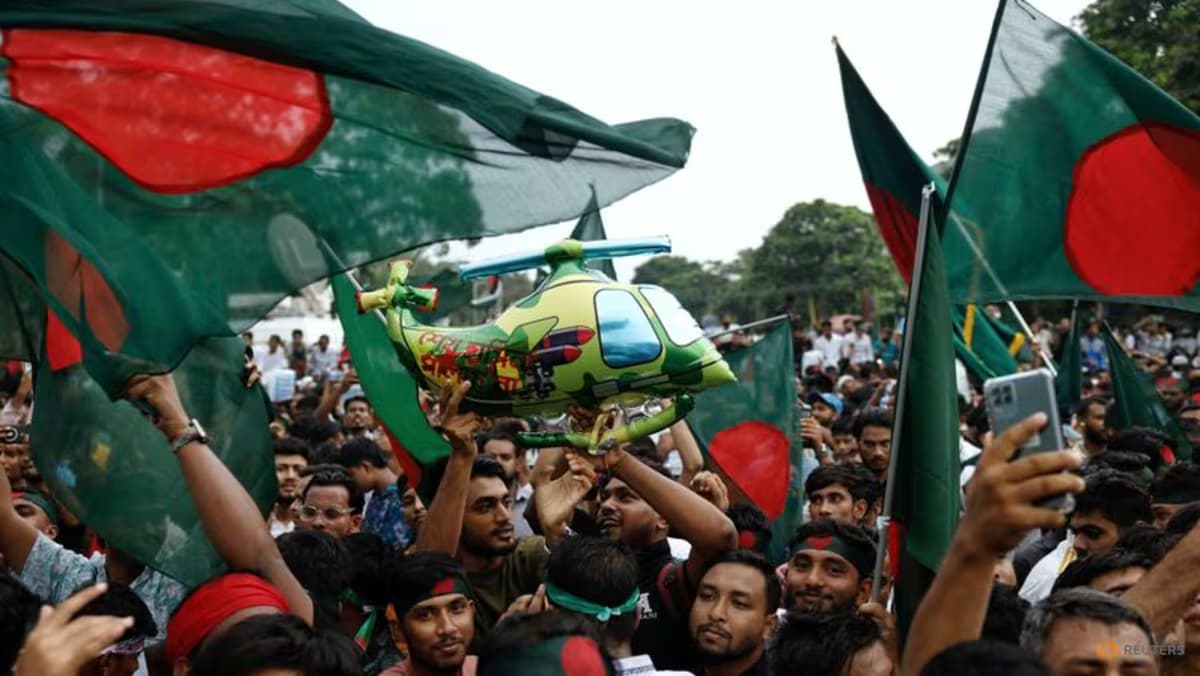
According to reports from Channel NewsAsia and Agence France-Presse, the conventional wisdom holds that banning a deposed political machine pacifies its base. Sunday's machete charges and Molotov exchanges in Gopalganj prove that logic dead wrong. Ousted prime minister Sheikh Hasina's planned December return from Indian exile isn't a distant diplomatic headache; it's acting as a live ignition source across the World News landscape.
Lethal Escalation on the Padma Bridge Approach
Political violence shifted from street posturing to lethal kinetic conflict over the weekend as rival factions collided near critical infrastructure arteries. The flashpoint in Shariatpur district left one man dead and exposed the fragile security perimeter holding the country together. Local residents watched in disbelief as ordinary commercial thoroughfares transformed into active battle zones.
The Shariatpur Fatality and Molotov Exchanges
Ibrahim Sepahi, identified by local police as an Awami League activist, sustained fatal injuries during a pitched battle near the Padma Bridge approach road. Rival groups gathered overnight to contest control of the key transit link connecting southwestern districts to Dhaka. Senior law enforcement officials confirmed the lethal nature of the engagement.
There was an exchange of Molotov cocktails during the clash.
— Md Zakaria Rahman, Senior Police Officer
Sepahi succumbed to his wounds while transit crews rushed him toward a regional hospital. Mobs subsequently torched multiple roadside stalls, local shops, and motorcycles across the affected corridor. Firefighting units struggled to reach the burning properties due to ongoing stone-throwing by angry crowds.
Gopalganj Stronghold Mobilization and Paramilitary Deployments
In Gopalganj, Hasina's historical political stronghold, armed demonstrators openly brandished machetes and heavy wooden batons during daytime street rallies. The banned Awami League initiated a two-day nationwide strike to protest ongoing judicial retribution and party proscription. Hundreds of extra paramilitary troops flooded the municipality, forcing local merchants to shutter storefronts indefinitely.
Security forces set up checkpoints at every major intersection to deter unauthorized vehicle convoys from entering the town center. Armored personnel carriers patrolled empty commercial districts where shuttered metal roll-down doors replaced bustling morning markets. Protesters responded by setting up burning tire barricades in side alleys to delay troop movements.
Image: channelnewsasia.comThe Calculus of Defiance in Hasina's Hometown
Conventional analysts treat the Awami League's underground mobilization as desperate posturing by a broken party. That view ignores the entrenched local loyalties persisting in rural southwestern districts despite a death sentence handed down against the former leader in absentia. Generations of local development projects tied directly to the old regime created deep dependency networks that current administrators cannot easily dismantle.
Grievances Over the February Transition
The Bangladesh Nationalist Party government, which assumed power following the February elections, faces immediate challenges regarding its legitimacy in pro-Hasina strongholds. Local cadres argue that the new administration failed to pursue political reconciliation after the 2024 student-led uprising ousted the long-serving premier. Veterans of the former regime claim their communities are being systematically disenfranchised by partisan municipal councils.
Some 97 percent of people in Gopalganj are Awami League supporters, yet we voted for the BNP. But the BNP never tried to make peace with us.
— Hamid Gazi, Awami League Veteran
Whole households have abandoned commercial activity to join street protests as the December arrival date draws closer. Hamid Gazi confirmed that every member of his family locked their doors to march in the unauthorized processions. Community elders coordinated food distributions to sustain thousands of demonstrators occupying local public squares.
Economic Fallout in Southwestern Districts
The persistent strikes and sporadic highway blockades are strangling local commerce across the southwestern agricultural belt. Truck drivers hauling perishable goods from regional farms toward Dhaka refused to run the gauntlet past angry mobs. Transport owners reported millions in daily losses as vegetable shipments rotted in stranded trucks along provincial highways.
Small shop owners caught between party enforcers and state tax collectors face mounting financial ruin. Many vendors elected to keep their shutters closed rather than risk arson attacks from radicalized youths patrolling neighborhood markets at night. Local banks also suspended operations in several rural branches, citing immediate threats to staff safety and cash vault security.
Image: channelnewsasia.comSecurity Bottlenecks Facing the Interim State Apparatus
Security planners in Dhaka face an impossible tactical dilemma as December approaches. Suppressing grassroots mobilization in Gopalganj requires a permanent paramilitary occupation, yet thin police lines cannot secure every bridge, market, and highway junction across the nation. Command centers struggle to maintain reserve forces as unrest flares up simultaneously in multiple administrative districts.
Enforcing the Party Ban Under Fire
The interim government's decision to outlaw all Awami League operations triggered the exact underground radicalization officials sought to prevent. Without legal avenues for political expression, local networks rely on nighttime assembly, clandestine arms caches, and coordinated highway blockades. Paramilitary reinforcements can patrol main thoroughfares, but they cannot police the millions of citizens who view Hasina's return as a legitimate restoration.
Intelligence reports indicate that banned party cells are communicating through encrypted messaging applications to coordinate flash rallies. Local police stations report a surge in nighttime hit-and-run attacks against government administrative offices and patrol vehicles. Officers now travel exclusively in heavily armed convoys to avoid roadside ambushes.
Strategic Dilemmas Ahead of the December Return
State prosecutors must now weigh whether to accelerate mass arrests or open backchannel negotiations with regional organizers before Hasina boards her return flight. Every tactical deployment currently stretches police reserves thinner across the Security apparatus, leaving outlying districts vulnerable to further nocturnal arson attacks. Cabinet ministers remain deeply divided over whether dialogue can defuse a movement fueled by existential grievance.
Border security forces have simultaneously reinforced checkpoints along transit routes connected to neighboring states to intercept potential infiltration by exiled organizers. Intelligence agencies monitor travel agency bookings for any sudden spikes in domestic ticket purchases heading toward southwestern hubs. Officials admit that stopping every determined supporter from reaching the capital remains practically impossible given the porous regional geography.
The Morning Brief
One email a day with the stories that matter. Free, forever.
No spam. Unsubscribe anytime.
Comments (0)
Be the first to share your thoughts.