
OPEC+ Faces Internal Fracture and Quota Battles Ahead of Critical Output Talks
OPEC+ ministers head into high-stakes output talks facing internal revolts over audited baseline capacities, looming market surpluses, and the threat of further defections.
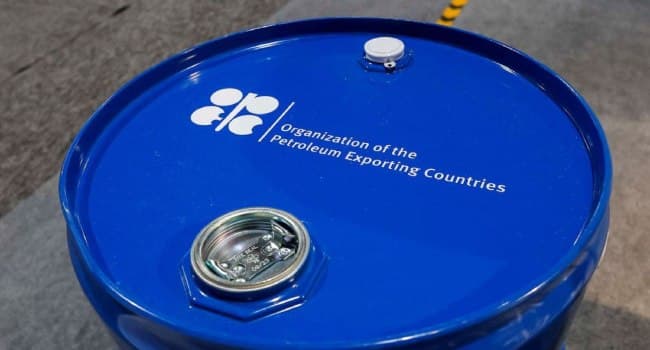
According to reporting from Channelstv.com, the Organization of the Petroleum Exporting Countries and its allies are heading into an online ministerial showdown that threatens to fracture the cartel's internal cohesion. While conventional wisdom paints these scheduled gatherings as routine bureaucratic adjustments, the reality on the ground points toward an explosive clash over baseline capacities and national quotas.
Members aren't merely haggling over percentage points; they are fighting over financial survival as global supply surpluses loom.
The Battle Over Baselines and Independent Audits
For decades, quota allocations relied on self-reported figures that rewarded domestic creative accounting and political posturing. The upcoming ministerial session changes that friction point by introducing external audits conducted by US-based consultancy DeGolyer and MacNaughton. These independent assessments evaluate maximum sustainable production capacities across the coalition for the first time.
That technical shift strips away diplomatic cover for member states inflating their output potential. Secretary-General Haitham al-Ghais praised the independent methodology in mid-November. Yet the objective numbers have instantly triggered fierce resistance from capitals whose state budgets depend on pumping more crude.
Iraq Rejects the Auditors and Demands Higher Ceilings
Baghdad sits directly at the center of this brewing revolt against the new independent baseline numbers. The external audit capped Iraq's sustainable production below five million barrels per day, clashing sharply with domestic projections. Iraqi officials insist their actual capacity reaches 5.2 million barrels daily.
That statistical dispute touches raw nerves regarding national reconstruction and post-conflict funding needs. Oil Minister Bassem Khudair drew a hard line ahead of the virtual ministerial gathering.
We are negotiating with OPEC to raise the production ceiling, and the negotiations are not just a courtesy. Iraq is one of the founding members of OPEC, and it is our right to defend our rights.
— Bassem Khudair, Oil Minister of Iraq
DNB Carnegie analysts note that production restrictions severely limit Baghdad's ability to finance critical domestic infrastructure. When international auditors slash a member's baseline, they effectively vote to keep that nation's treasury constrained.
Image: channelstv.comGeopolitical Friction and the Threat of Regional Defection
Beyond internal bookkeeping disputes, escalating conflicts in the Middle East and Eastern Europe have crippled regional energy infrastructure. The US war against Iran and intensified strikes within Russia's invasion zone have scrambled baseline realities. Member states with damaged fields argue their current shortfalls are merely temporary operational pauses.
Rystad Energy analyst Jorge Leon points out the core negotiating dilemma facing the cartel leadership. Every producer suffering from war-related outages possesses a superficially credible argument for higher future allocations.
Yet granting those exemptions risks collapsing the broader pricing architecture just as the International Energy Agency forecasts a market surplus. Arne Lohmann Rasmussen of Global Risk Management warns that a substantial global oil surplus may necessitate aggressive production cuts in 2027. The central question remains remarkably simple: which sovereign state will volunteer to shoulder those cuts?
The Shadow Cast by the United Arab Emirates
Disagreements over baseline allocations are no longer theoretical threats to organizational unity. The United Arab Emirates already exited OPEC earlier this year after clashing repeatedly over quota restrictions and capital investment plans. Abu Dhabi justified that departure on national interest grounds, prioritizing massive domestic capacity expansion over cartel discipline.
PVM analyst Tamas Varga warns that the UAE exit emboldens remaining members who possess untapped reserves. Every single barrel that OPEC+ withholds to artificially support global prices creates a direct commercial opening for Abu Dhabi to capture market share. Riyadh and Moscow can no longer enforce discipline simply by threatening internal isolation.
Image: channelstv.comThe Looming Surplus and the 2027 Policy Dilemma
As delegates log into Sunday's virtual conference, Bloomberg reports that the coalition may simply freeze current output quotas for January to buy time. Kicking the can down the road offers temporary relief from geopolitical uncertainty, but it fails to resolve the structural mathematics of the market. Demand remains subdued across major industrial economies while non-cartel supplies steadily climb.
Market watchers describe the upcoming negotiations as one of the most complicated exercises in cartel management in recent memory. Rystad Energy's Jorge Leon emphasizes that setting permanent targets in stone looks nearly impossible under current conditions. The Economy & Markets beat faces a volatile transition as these supply fights spill over into public trading desks.
Ministers face an unforgiving trade-off during their Sunday deliberations. They can maintain strict quotas to prop up sagging prices and risk provoking another major member defection, or they can open the spigots and watch crude values plummet. The cartel's historical grip on global energy pricing depends entirely on a consensus that is rapidly fraying under the weight of national ambition.
The Morning Brief
One email a day with the stories that matter. Free, forever.
No spam. Unsubscribe anytime.
Comments (0)
Be the first to share your thoughts.