
South Korea's Lee Jae Myung Urges Caution Over Potential North Korea-China Summit
South Korean President Lee Jae Myung says multiple variables make it difficult to predict a potential summit between North Korea and China.
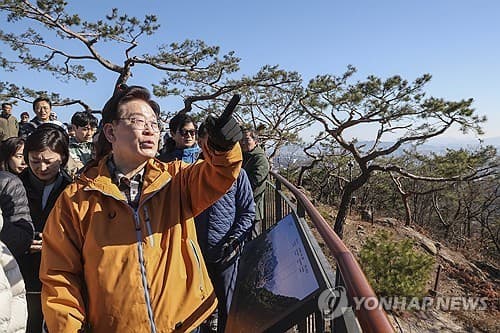
President Lee Jae Myung Addresses Summit Speculation on Mount Bugak
According to reports from Yonhap News Agency, South Korean President Lee Jae Myung told reporters Sunday that multiple shifting factors make it difficult to forecast a leaders' meeting between Beijing and Pyongyang. Speaking while walking along a public trail on Mount Bugak overlooking Cheong Wa Dae, the South Korean leader weighed in on regional diplomacy as intelligence agencies monitor potential travel plans.
Sunday's informal briefing offered rare transparency into how Seoul's executive office evaluates high-level foreign movements. Reporters intercepted the president during a weekend hike, transforming a routine security oversight update into an impromptu press exchange.
Speculation has mounted across diplomatic circles that North Korean leader Kim Jong-un might travel to China early next month for high-level talks with Chinese President Xi Jinping. While South Korea's national intelligence services continue tracking these movements closely, Seoul's executive office maintains that anticipating an official schedule remains premature.
Diplomatic correspondents in Seoul note that rumors of a potential summit surfaced after unusual freight train activity was spotted near the border. Intelligence analysts immediately flagged the shipments, though foreign ministries in Beijing and Pyongyang have kept official channels strictly silent.
Understanding these diplomatic ripples requires looking at how bilateral summits between neighboring states function as pressure valves in East Asian geopolitics. When Beijing and Pyongyang engage, neighboring capitals like Seoul watch intently because leadership meetings often signal shifts in economic aid, military alignment, or broader regional stability across the World News landscape.
Economic dependencies shape every interaction between the two historic allies, making even a brief state visit a major policy event. China remains North Korea's largest trading partner, supplying vital fuel and food shipments that keep the isolated state functioning under heavy international sanctions.
Weighing Diplomatic Variables and Regional Realities
President Lee emphasized that while a meeting could open doors for diplomatic engagement, the sheer number of unpredictable factors prevents any firm timeline. Intelligence analysts note that border protocols, economic pressures, and security coordination between Beijing and Pyongyang create a complex diplomatic chessboard.
External observers frequently underestimate the strict operational secrecy maintained by North Korean state media regarding leadership travel. Historically, Kim Jong-un's overseas trips are only confirmed by state broadcasters after the train has safely crossed the international border.
For us, it would be great if (a summit) takes place, in which case we can play whatever role we can. But it is difficult to predict,
— Lee Jae Myung, President of South Korea
Seoul's strategic planners must weigh these unpredictable visits against their own foreign policy goals in Washington and Tokyo. South Korea's diplomatic apparatus cannot afford to pivot blindly based on unverified rumors circulating through foreign wire services.
The Practical Limits of Intelligence Tracking
South Korean spy agencies utilize satellite imagery, diplomatic chatter, and border monitoring to anticipate state visits between North Korea and China. Despite these advanced collection methods, closed political systems in Pyongyang and Beijing routinely obscure precise scheduling until the final hours.
High-resolution satellite feeds often capture motorcade formations or red carpet preparations at regional railway stations hours before an announcement. Even with these clear visual indicators, sudden weather events or internal security concerns can derail a planned delegation at a moment's notice.
Government Constraints and Public Caution
Government officials must therefore balance active preparation with public caution to avoid overreacting to unconfirmed intelligence reports. This operational constraint keeps foreign ministries in a perpetual state of readiness without clear calendar milestones.
Cabinet ministers hold regular briefings behind closed doors to align defense postures without alarming financial markets in Seoul. South Korea's currency and stock exchanges react swiftly to any hint of heightened military tension along the thirty-eighth parallel.
Focusing on Inter-Korean Tensions Despite External Unknowns
Beyond speculating on foreign leader schedules, President Lee underscored that lowering military friction on the Korean Peninsula remains an independent priority for Seoul. Diplomatic observers frequently point out that managing cross-border hostility requires consistent internal policy focus regardless of whether neighboring superpowers are holding talks.
Military hotline communications between Seoul and Pyongyang have experienced extended periods of silence over recent years. Reopening those communication channels takes persistent administrative effort rather than relying on third-party intermediaries to carry diplomatic messages.
Given the many variables involved, we are not in a condition to make a reliable prediction,
— Lee Jae Myung, President of South Korea
Defense officials continue monitoring artillery drills and troop movements near the demilitarized zone on a daily basis. Domestic security requires maintaining a credible deterrence posture regardless of what summit meetings occur in foreign capitals.
Image: en.yna.co.krToward a Stabilized Inter-Korean Framework
The broader strategic challenge for Seoul involves maintaining diplomatic flexibility while protecting national security against unexpected escalations. Whether a Beijing-Pyongyang summit materializes in the coming weeks or stalls amid internal scheduling hurdles, South Korean policymakers must navigate an unpredictable security environment where communication channels remain fragile.
Foreign policy advisors draft multiple contingency plans to address various outcomes of the rumored summit. If Beijing and Pyongyang announce expanded economic cooperation, Seoul must quickly assess how those agreements affect existing United Nations sanction frameworks.
As intelligence agencies monitor cross-border traffic near Dandong and Pyongyang station platforms, the immediate reality for Seoul is one of careful observation. Regional stability ultimately depends less on the timing of external leader meetings and more on sustained efforts to de-escalate confrontation along the heavily fortified border.
President Lee's remarks on Mount Bugak ultimately highlight the limits of executive prediction in modern East Asian statecraft. Security analysts across the region will continue watching border checkpoints while Seoul prepares for any sudden diplomatic shifts next month.
The Morning Brief
One email a day with the stories that matter. Free, forever.
No spam. Unsubscribe anytime.
Comments (0)
Be the first to share your thoughts.