
Bank of Ghana Cuts Transaction Limits After Cyber Attacks Hit Financial Sector
The Bank of Ghana has slashed transaction limits on mobile money wallets and bank accounts following confirmed cyber attacks on the financial sector.
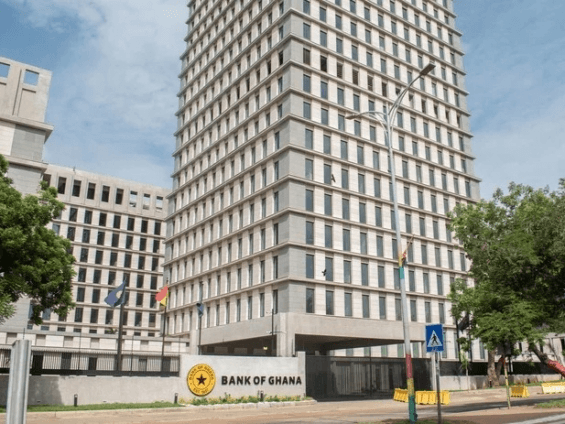
According to reports from adomonline.com and myjoyonline.com, the Bank of Ghana confirmed targeted cyber attacks across multiple economic sectors on Sunday, November 29, 2026. The central bank slashed daily transaction caps on mobile money wallets and bank accounts with immediate effect to contain widening digital disruptions. Regulators and digital security agencies are scrambling to stabilize banking apps and payment systems while investigating the breach.
The Immediate Regulatory Response and Mobile Wallet Restrictions
The central bank enacted emergency caps following widespread customer frustration over crippled banking applications and digital payment gateways. These restrictions target both individual accounts and mobile money operators to throttle potential unauthorized cash flows. Financial institutions face strict new compliance windows under the coordinated emergency directive.
New Caps on Wallets and Agent Accounts
Under the emergency directives issued on November 29, 2026, regulators introduced rigid daily and monthly transaction ceilings specifically for mobile money agents. Everyday users face newly lowered daily movement thresholds on their personal digital wallets and bank accounts. These hard caps serve as an immediate firebreak while core systems undergo forensic inspection.
Inter-Agency Coordination Between Regulators and Payment Hubs
The regulatory authority joined forces with the Cyber Security Authority and the Ghana Interbank Payment and Settlement Systems Limited to manage the fallout. This multi-agency task force is working alongside commercial banks and specialized deposit-taking institutions to isolate compromised network nodes. Their shared objective is to restore services safely without exposing the wider digital economy and markets to further exploitation.
has noted the widespread frustration expressed by bank customers over recent disruptions to banking apps and digital payment services.
— Bank of Ghana, Official Press Release
Winners, Losers, and Operational Inflection Points
Emergency regulatory interventions create immediate operational winners and losers across the national financial architecture. Traditional brick-and-mortar branches gain temporary leverage as digital channels stall and customers queue for manual overrides. Conversely, fintech startups and pure-play digital payment providers bear the brunt of lost transaction volume and user trust.
How Physical Branches Absorb the Digital Spillover
Commercial banks must extend standard operating hours to accommodate account holders needing manual assistance above the revised caps. Customers locked out of internet banking or instant interbank transfers are directed to physical counters, automated teller machines, and USSD shortcodes. This sudden shift toward physical verification strains teller capacity across urban and regional branches alike.
Alternative Channels and Fallback Infrastructure
Financial institutions are channeling traffic through authorized agents, GhanaPay platforms, and legacy card networks while primary APIs remain restricted. The central bank mandated clear, prompt communication from every licensed entity regarding expected restoration times for offline applications. Early industry responses varied widely, with individual institutions initially blaming routine system maintenance before confirming broader technical anomalies.
How the Attack Bypassed Existing Defenses
Cyber actors exploited a chain of misconfigured endpoints that linked older mobile-money APIs to newer settlement switches. The breach originated in a third-party cloud service that housed transaction logs for several banks. By injecting malicious payloads into routine batch jobs, the attackers triggered unauthorized fund movements before alerts could fire.
Vulnerabilities in Legacy APIs
Many banks still rely on SOAP-based services that lack modern authentication tokens. Those services expose transaction-limit parameters that the attackers rewrote to lift caps temporarily. Once the rogue code ran, it opened a conduit for rapid cash-out attempts that overwhelmed monitoring dashboards.
Role of Third-Party Service Providers
Several payment aggregators host middleware for both banks and mobile operators. When the aggregators’ servers failed to patch a known CVE, the vulnerability became a launchpad for lateral movement. The central bank now demands that all third-party vendors submit proof of remediation within 48 hours of any new advisory.
Consumer Experience Amid the Caps
Ordinary Ghanaians felt the impact within minutes of the announcement. Small traders reported being unable to settle daily sales because the new limits cut off their cash-out routes. Meanwhile, salaried workers found that even routine salary deposits stalled when the system tried to push funds beyond the daily ceiling.
Stories From Urban Accra Users
Kwame, a ride-hailing driver in Accra, described watching his app flash “transaction limit exceeded” as he tried to pay for fuel. He resorted to a nearby bank branch, where a teller spent fifteen minutes verifying his identity before authorising a cash withdrawal. “I felt like I was back in 2015,” he said, emphasizing how the digital regression forced him onto paper-based queues.
Rural Impact and Mobile Network Constraints
In the Upper West Region, traders depend on USSD codes because smartphone penetration remains low. The new caps limited the amount they could send to market hubs, delaying payments for agricultural inputs. Network operators reported a surge in call volume to support lines as users sought clarification on the evolving limits.
The Quantitative Reality and Data Limitations
Analyzing the exact economic toll remains difficult due to the fast-moving nature of ongoing security audits. Regulators have not yet disclosed the precise volume of blocked transactions or the exact financial institutions directly breached by the actors. This leaves quantitative analysts relying entirely on qualitative institutional updates rather than comprehensive transaction logs.
Data Caveats on Depositor Security
Official statements insist that customer deposits remain secure despite the widespread infrastructure disruptions. Independent verification of these claims is currently impossible because forensic audits led by the Cyber Security Authority remain active and confidential. Stakeholders must weigh reassuring regulatory statements against the unprecedented nature of these transaction caps.
Upcoming Milestones for System Restoration
The central bank stated that the newly imposed transaction limits are temporary and subject to continuous review as threat vectors subside. The speed of full service restoration depends entirely on the success of collaborative patch deployments across payment switch networks. Market participants are watching for the next official release from regulatory authorities to gauge when normal digital transaction limits will return.
Long-Term Outlook for Ghana’s Digital Finance Ecosystem
Beyond the immediate fix, the Bank of Ghana plans to overhaul its cyber-risk framework within the next twelve months. The roadmap includes mandatory multi-factor authentication for all high-value API calls and a centralized threat-intelligence sharing platform. If implemented well, these measures could shrink the attack surface and restore confidence among hesitant users.
Regulatory Incentives for Resilient Architecture
Banks that adopt zero-trust networking will qualify for reduced supervisory fees under a pilot scheme announced in December. The incentive aims to accelerate migration away from legacy monolithic systems toward micro-service architectures that isolate breaches more effectively. Early adopters, such as Ecobank Ghana, have already reported lower false-positive rates in fraud detection.
Potential Risks of Over-Regulation
Critics warn that imposing tighter caps without clear timelines could push merchants toward informal cash channels. A surge in cash-based transactions might revive money-laundering risks that the digital reforms originally sought to curb. Balancing security with accessibility will require ongoing dialogue between regulators, fintech innovators, and consumer groups.
The Morning Brief
One email a day with the stories that matter. Free, forever.
No spam. Unsubscribe anytime.
Comments (0)
Be the first to share your thoughts.