
Taipei Mayor Chiang Wan-an Secures Narrow Victory in High-Stakes Local Elections
Taipei Mayor Chiang Wan-an secured a narrow re-election victory on Saturday following a closely watched municipal contest against prominent critic Puma Shen.
E
Esbec Group
5 min read
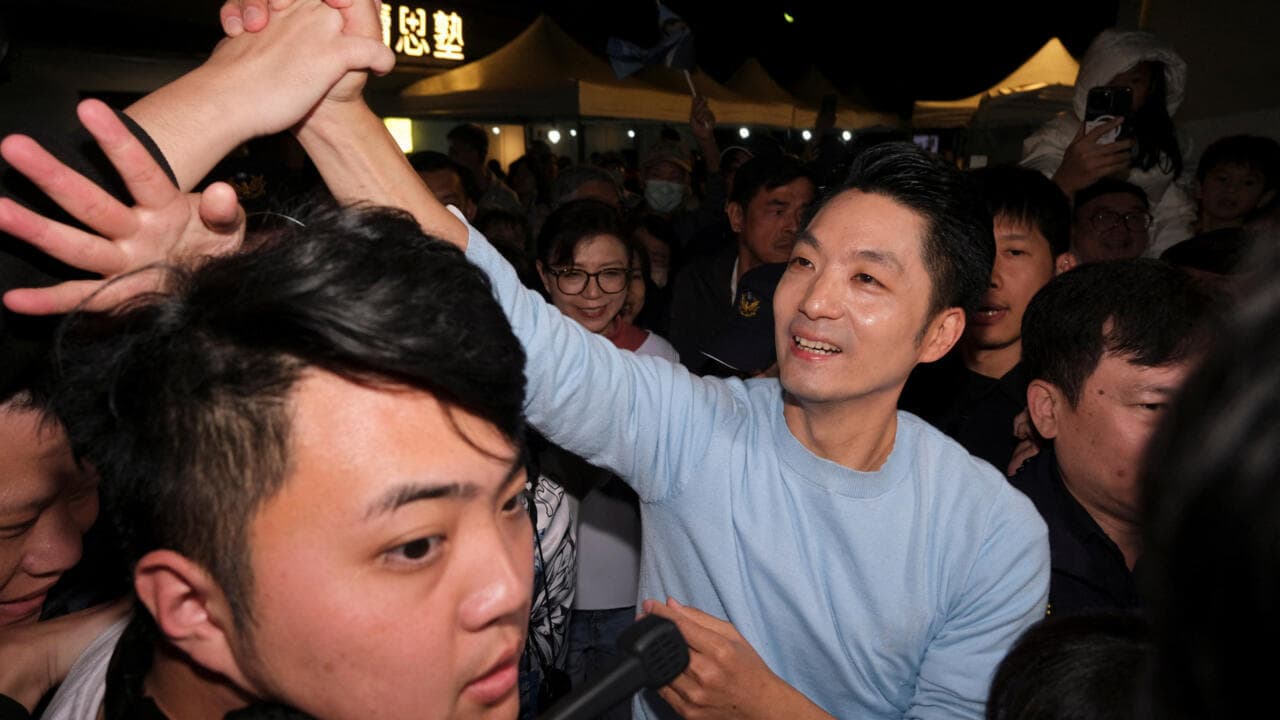
According to reporting from France 24 and Channel NewsAsia, Taipei Mayor Chiang Wan-an secured his re-election on Saturday following a razor-thin contest against prominent China critic Puma Shen. The Saturday vote across the island democracy tested municipal loyalties while drawing intense regional attention to how urban electorates balance cross-strait realities with local governance. Voters crowded polling stations under heavy scrutiny as the race narrowed into a clear clash between established municipal administration and vocal sovereignty advocacy.
Elections of this magnitude consistently reverberate far beyond city hall walls, drawing acute focus from international observers tracking the shifting currents of regional politics. For readers following broader institutional stability across Asia, developments in municipal leadership offer vital clues about public sentiment on the ground. Similar shifts often echo across national legislative arenas, impacting broader discussions found within World News coverage.
The Conservative Case for Municipal Continuity Under Chiang Wan-an
Supporters of the incumbent mayor rallied around a platform centered on administrative stability, infrastructure delivery, and steady fiscal management. Chiang Wan-an leaned heavily on his first-term record to convince urban voters that institutional continuity remains paramount during times of regional friction. Business owners and neighborhood associations argued that shifting municipal leadership risked stalling major urban development projects already underway across the capital. Proponents of the Kuomintang administration emphasized practical governance over ideological posturing, a message that resonated strongly with property owners and commercial districts. Campaign surrogates pointed to completed transit upgrades and steady public services as proof that the incumbent team deserved another term. This steady-hand approach provided a comfortable anchor for conservative voters seeking to avoid sudden policy shifts at City Hall.Infrastructure Delivery and Urban Management Priorities
During the campaign trail, Chiang's team highlighted ongoing public works and housing initiatives designed to modernize aging municipal districts. Contractors and city planners praised the predictability of the current administration's zoning and funding approvals. Voters prioritizing local economic vitality found reassurance in these tangible metrics of urban progress. Municipal engineers managed dozens of active job sites across the capital, keeping schedules tight despite supply chain hurdles. Neighborhood groups frequently weighed in on zoning variances, demanding strict adherence to local noise ordinances and traffic management plans. These friction points tested the bureaucracy's responsiveness, yet the administration maintained steady rapport with district wardens.Fiscal Discipline and Business Community Backing
Commercial chambers across Taipei heavily favored the incumbent's predictable fiscal policies, viewing them as a shield against broader economic uncertainties. Retail associations and financial institutions credited the mayor's office with keeping municipal tax burdens manageable through fluctuating inflation cycles. Business leaders argued that maintaining existing regulatory channels was essential for keeping Taipei competitive within regional financial markets. Corporate tax revenues held steady throughout the fiscal year, allowing the city to fund essential services without issuing new municipal debt. Small business owners cited predictable licensing fees as a key factor in their operational survival during lean quarters. Commercial lenders offered favorable terms to developers operating within designated urban renewal zones, spurred by confidence in City Hall's regulatory posture. Image: france24.comThe Challenger Push and Puma Shen's Sovereignty Platform
Opposing the incumbent, Puma Shen ran an aggressive campaign focused squarely on national identity, security preparedness, and vocal resistance to pressure from Beijing. Shen, a noted critic of mainland policies, framed the municipal election as a critical referendum on the island's democratic resilience and ideological defense lines. His supporters argued that local leadership cannot remain neutral or purely administrative when facing persistent external coercion. Grassroots rallies organized by the challenger drew thousands of engaged citizens eager to elevate national defense discourse into the municipal sphere. Volunteers distributed literature emphasizing civic education and digital defense against foreign influence operations. This activist base pushed the contest far beyond traditional pothole-and-permit politics into an ideological referendum.Civic Activism and Digital Defense Messaging
Shen's campaign leveraged deep networks of civil society organizations to mobilize young, urban voters concerned about democratic erosion. Activists focused heavily on countering disinformation campaigns and strengthening community resilience at the neighborhood level. This digital-first mobilization strategy successfully energized a demographic segment that traditionally participates less in municipal off-year cycles. Encrypted messaging channels buzzed with volunteer coordination details, outmaneuvering traditional neighborhood mobilization tactics used by legacy parties. Hackathons and digital literacy workshops doubled as campaign recruitment events, drawing software developers into political organizing. These tech-savvy volunteers built custom mapping tools to track voter turnout in real time across competitive districts.Security Awareness and Cross-Strait Rhetoric
Campaign speeches repeatedly turned toward national security preparedness, urging voters to elect leaders who would openly challenge Beijing's territorial claims. Town hall meetings frequently addressed civil defense readiness, bomb shelter maintenance, and emergency communication protocols. This hardline stance created a sharp ideological contrast against the incumbent's administrative pragmatism. Audience members peppered campaign surrogates with questions regarding subterranean evacuation routes and municipal water reserves during hostile scenarios. Civil defense non-profits set up information booths outside rally venues, handing out emergency go-bag checklists alongside policy flyers. This constant drumbeat of security warnings kept geopolitical anxiety front and center for downtown commuters. Image: france24.comWhere the Electorate Split and What the Margin Reveals
Saturday's final tally exposed a deeply divided capital city caught between two compelling yet contradictory imperatives. Neighborhoods with older residential demographics and strong commercial ties favored the predictable administrative continuity offered by Chiang. Conversely, younger tech-literate districts and inner-city precincts gravitated toward Shen's uncompromising sovereignty rhetoric. Precinct-level data showed stark geographic lines separating the two political camps across the municipality's 12 administrative districts. Wealthier commercial zones heavily backed the incumbent's fiscal predictability, while university neighborhoods swung decisively toward the challenger's democratic defense platform. This polarization left city planners facing distinct expectations from opposite ends of the metropolitan area.Precinct-Level Voting Patterns Across Taipei Districts
Traditional party strongholds in eastern residential sectors delivered reliable margins for the Kuomintang ticket, citing stable property values and reliable sanitation services. Western commercial hubs displayed similar loyalty to Chiang, prioritizing frictionless interaction with municipal tax bureaus and permit offices. These conservative bastions offset losses in the denser student-heavy precincts surrounding major universities. Denser urban cores recorded surging voter turnout driven by first-time participants responding to Shen's sovereignty appeals. Apartment complexes near tech incubators and media offices leaned heavily toward the challenger, reflecting demographic shifts within the capital's younger working population. Municipal election boards deployed extra ballot-counting staff to handle the unprecedented late-afternoon surge in these competitive precincts.Administrative Realities Facing the Re-Elected Mayor
Mayor Chiang now inherits a municipal council divided cleanly between conservative veterans and newly emboldened reform-minded councilors. Passing the upcoming fiscal year's capital budget will require intense cross-party negotiation rather than routine rubber-stamping. City Hall must balance immediate infrastructure maintenance against the loud demands for civil defense integration voiced by opposition lawmakers.Bureaucrats inside administrative headquarters anticipate fierce floor fights over municipal resource allocation and emergency preparedness funding in the coming legislative session. Department heads are already drafting compromise proposals to satisfy both business chambers and activist neighborhood boards. The narrow victory margin ensures that every policy decision undergoes rigorous public dissection until the next election cycle begins.Urban electorates balance cross-strait realities with local governance under heavy scrutiny as the race narrows into a clear clash.
Municipal Election Report
The Morning Brief
One email a day with the stories that matter. Free, forever.
No spam. Unsubscribe anytime.
Comments (0)
Be the first to share your thoughts.