
Pakistan Army Holds Formal Send-Off Ceremony for Troops Deploying to Saudi Arabia
Pakistan army hosts a high-profile send-off ceremony for troops deploying to Saudi Arabia, reinforcing bilateral defense cooperation and territorial security commitments.
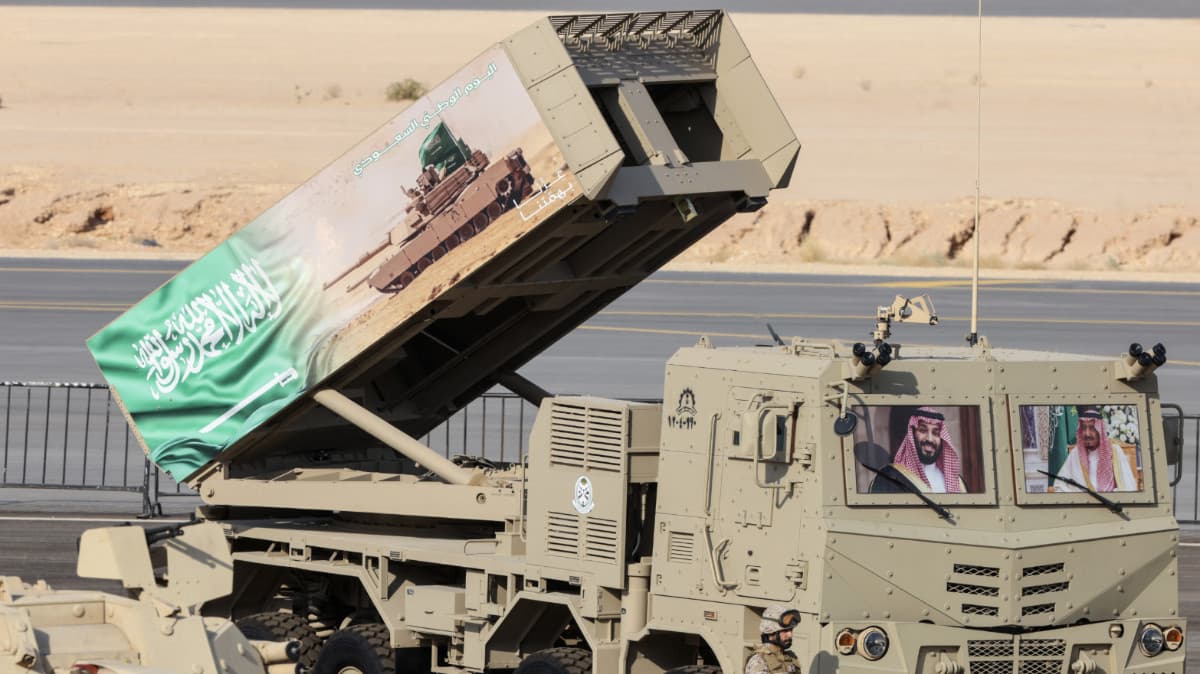
According to reports from Middle East Eye and Al-Monitor, the Pakistan army recently hosted a high-profile send-off ceremony for military personnel deploying to Saudi Arabia. Senior defense officials from both nations gathered to mark the departure of the troops under established bilateral agreements.
The formal gathering highlights ongoing Security ties between Islamabad and Riyadh. Military leadership framed the mission as a continuation of long-standing bilateral defense frameworks.
Diplomatic Presence and Bilateral Defense Frameworks
Diplomatic channels between South Asia and the Gulf continue to rely heavily on defense agreements forged decades ago. State visits and military exchanges turn those foundational papers into concrete personnel rotations on the ground.
Key Officials Attending the Ceremony
Pakistan's Federal Minister for Defence Khawaja Muhammad Asif joined the proceedings alongside Saudi Arabia's ambassador to Pakistan, Rajeh Tami Albugamy. Pakistan's Chief of General Staff, Lieutenant General Omer Ahmed Bokhari, also attended the event to inspect the deploying forces.
Their presence on the tarmac signaled that this troop rotation carries significant political weight for both administrations. Civilian leadership and military commanders stood side by side to project unity and institutional commitment.
Scope of Assigned Responsibilities
The departing soldiers will carry out specific duties defined by formal bilateral accords. According to official military communications, these personnel are set to execute "their assigned responsibilities under agreed commitments and the established framework of defence cooperation", as noted in the Pakistan army's public statement.
Details regarding exact troop numbers remain unspecified in public briefings, but past rotations typically involve training cadres, advisory groups, and technical specialists. These units work closely with Saudi armed forces to maintain operational readiness across multiple military branches.
Strategic Commitments and Territorial Security Pressures
The deployment highlights competing regional priorities as Islamabad balances internal domestic challenges with external alliance obligations. Strategic planners in both capitals view the arrangement through the lens of long-term stability and mutual defense guarantees.
The Official Stance on Kingdom Sovereignty
Military officials emphasized that the troop movement is designed to reinforce regional deterrence and protect sovereign borders. The official statement released by the Pakistan army framed the mission as a core pillar of bilateral partnership.
The deployment reflects Pakistan’s unwavering commitment to the security, sovereignty and territorial integrity of the Kingdom of Saudi Arabia, rooted in the longstanding strategic partnership and fraternal bonds between the two brotherly countries.
— Pakistan Army Public Relations Statement
This phrasing mirrors decades-old defense doctrines that treat the security of the Gulf kingdom as a matter of vital interest for Islamabad. Mutual assistance pacts have historically survived changes in government in both nations, weathering shifts in regional alliances.
Protection of Sacred Sites
Beyond standard territorial defense, the mandate encompasses the protection of critical religious sites within the kingdom. The military statement reiterated that Pakistan remains steadfast in safeguarding the sanctity of Haramain Sharifain, encompassing Mecca and Madina.
Mentioning these holy sites invokes powerful domestic sentiments within Pakistan, where public support for Saudi Arabia often ties directly to religious reverence. Defense planners know this symbolic anchor helps insulate the deployment from political pushback at home.
Image: middleeasteye.netWeighing Strategic Obligations Against Regional Realities
The stationing of Pakistani troops in the kingdom revives long-standing debates regarding the limits of foreign military commitments. Analysts in World News circles note that while financial and diplomatic ties remain strong, domestic security demands in South Asia continually pressure Islamabad's armed forces.
Foreign exchange reserves and oil import financing agreements often loom large behind closed doors during defense negotiations. Financial aid packages from Riyadh have historically provided crucial breathing room for Pakistan's stabilization programs.
Domestic Resource Pressures
Maintaining active foreign deployments requires significant logistical and administrative bandwidth from Pakistan's military command. Critics often question the stretch on domestic counter-terrorism operations when troops are allocated to external missions.
Border regions facing insurgent activity demand constant troop presence, leaving little spare capacity within active combat brigades. Defense analysts frequently debate whether exporting military expertise strains internal operational readiness.
Riyadh's Security Calculus
Conversely, Saudi leadership relies on seasoned foreign military personnel to augment domestic readiness amid persistent regional volatility. The formalization of these troop rotations ensures that bilateral defense pacts translate into tangible boots on the ground as regional threat vectors shift.
Riyadh continues to modernize its defense apparatus while depending on trusted external partners for specialized training and advisory support. These enduring military links dictate the pace of upcoming troop rotations between the two capitals.
The Morning Brief
One email a day with the stories that matter. Free, forever.
No spam. Unsubscribe anytime.
Comments (0)
Be the first to share your thoughts.