
Saudi Coalition Puts Yemeni Conflict Endgame Squarely on Houthi Concessions
Major General Turki al-Maliki insists the Yemen conflict could end immediately if the Houthis accept UN-backed peace terms, warning that Riyadh will protect Aden at all costs.
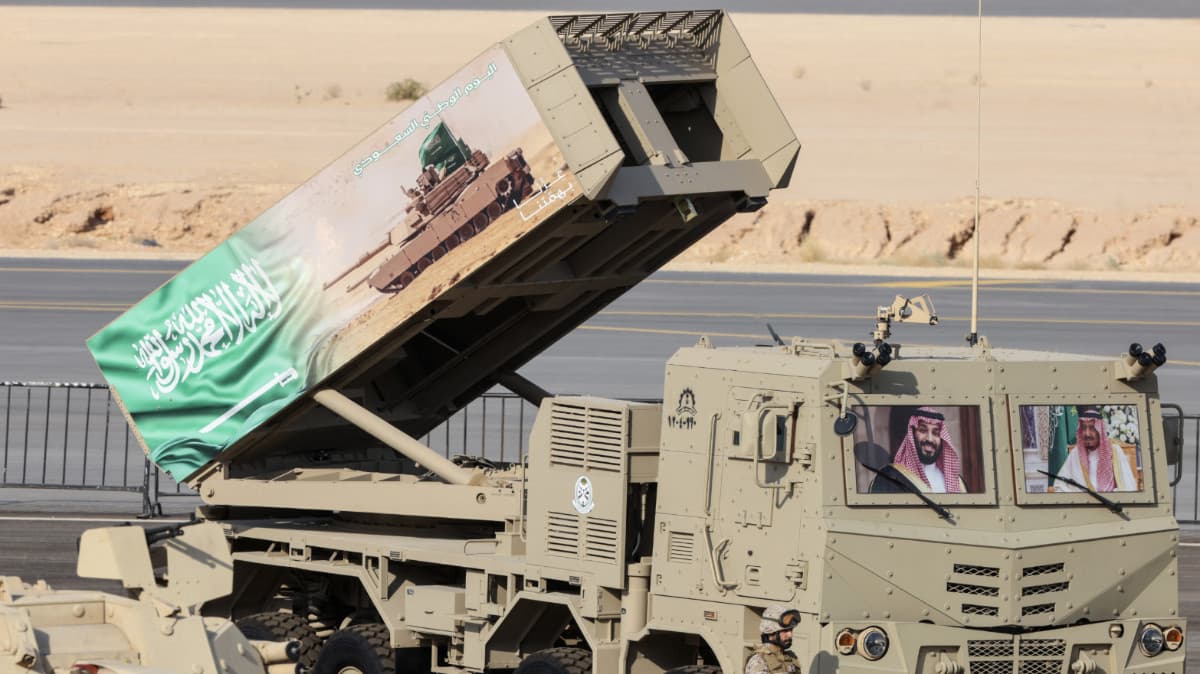
Challenging the Conventional Wisdom on the Yemeni Stalemate
According to reports from Middle East Eye, the Saudi-led coalition insists the protracted war in Yemen could halt immediately if Houthi leaders embrace a UN-backed settlement. Conventional foreign policy commentary routinely frames the conflict as an intractable quagmire driven entirely by external meddling and unyielding Riyadh-backed ambitions. Yet that consensus ignores the direct ultimatum delivered by coalition command to force an immediate political pivot in World News circles.
Critics point to years of relentless airstrikes and humanitarian devastation as proof that military solutions are entirely bankrupt. They argue that demanding unilateral concessions from the Houthi movement is a diplomatic non-starter designed to shield coalition forces from accountability. This reading relies on a comforting fiction that both sides share equal blame for blocking a lasting truce.
The Divergence Between Diplomatic Rhetoric and Battlefield Realities
Look closer at the actual mechanics of the current escalation and a different picture emerges. The coalition isn't bargaining from a posture of blind aggression, but rather enforcing a hard territorial boundary around key government-held administrative centers. Major General Turki al-Maliki articulated this uncompromising operational posture in a recent interview with Reuters.
around the Yemeni government's interim capital Aden, warning that the coalition would do
— Major General Turki al-Maliki, Coalition Spokesperson
That specific warning lays bare the strategic calculus governing military engagements across southern provinces. When coalition officials state that operations will persist indefinitely, they aren't sabre-rattling for domestic consumption. They are signaling an unwillingness to yield strategic depth in ongoing Security architectures across the Arabian Peninsula.
Assessing Houthi Calculations in Southern Operational Theaters
Insurgent leadership frequently misreads these defensive postures as signs of coalition fatigue or administrative hesitation. Houthi commanders calculate that protracted attrition will eventually fracture the fragile political alliance holding Riyadh's coalition together. This miscalculation drives repeated probes against government-held positions in the south, testing the endurance of local allied militias.
Military intelligence reports indicate that insurgent units continue to stockpile ballistic munitions despite ongoing diplomatic overtures from regional mediators. Such deployments confirm that militant strategists treat peace talks as a tactical pause rather than a genuine exit from armed conflict. Riyadh responds by matching every diplomatic concession with tightened maritime inspections and defensive air patrols.
Weighing the Measured Reality Against Diplomatic Optimism
External analysts frequently mistake battlefield pauses for genuine readiness to compromise on governance structures. The UN-backed peace framework requires tangible demilitarization steps that neither militant factions nor fragile state remnants have historically rushed to fulfill. Treating a theoretical diplomatic roadmap as an imminent reality obscures the brutal calculus of control on the ground.
If the Houthis refuse to engage with the structured UN parameters, military enforcement remains Riyadh's primary instrument for preventing total strategic encirclement. The coalition's stated red line around Aden transforms the entire conflict dynamic from an open-ended civil war into a localized containment struggle. This shift leaves regional observers scrambling to update outdated assumptions about who actually holds tactical leverage.
Operational Red Lines and the Aden Defense Perimeter
Securing the interim capital requires maintaining continuous air and ground surveillance over crucial supply routes. Houthi forces pushing within striking distance of the port city have forced coalition planners to abandon phased withdrawal timetables. Every kilometer gained by insurgent units immediately triggers a proportional kinetic response designed to deny them a decisive victory.
This dynamic proves that military pressure remains the central mechanism dictating whether political negotiations ever resume. Riyadh's insistence on a negotiated settlement doesn't mean it lacks the stomach for sustained conflict. It means the coalition expects its adversaries to feel the full weight of continued military isolation before returning to talks.
Logistics Bottlenecks and Maritime Enforcement Mechanisms
Controlling vital sea lanes off the Red Sea coast prevents the unchecked flow of advanced drone parts and missile components to insurgent strongholds. Coalition naval patrols intercept suspicious cargo ships regularly, seizing contraband bound for ports under Houthi administrative control. These interdictions starve the militant war machine of foreign technical assistance while tightening the economic vice on domestic supply chains.
Humanitarian agencies frequently clash with coalition maritime task forces over clearance delays at vital commercial ports like Hodeidah. Yet command officers defend the strict inspection protocols as an unavoidable security necessity to prevent arms smuggling disguised as food aid. This friction highlights the heavy cost civilians pay while military planners enforce strict containment boundaries.
What Changes Once You Account for the Verified Evidence
Accepting the coalition's hardline stance changes how regional stakeholders must approach upcoming diplomatic interventions. Soft-pedaling Houthi advances as mere negotiating tactics ignores the explicit warnings issued by coalition command regarding vital infrastructure and regional stability. Humanitarian organizations face the difficult task of operating within an active combat zone where tactical red lines are non-negotiable.
The core dilemma now shifts directly to insurgent leaders facing a stark operational choice. They can test the coalition's stated resolve around Aden and risk catastrophic military setbacks, or they can re-engage international mediators on Riyadh's terms. The timeline for peace no longer depends on ambiguous multilateral summits, but on how long Houthi commanders choose to ignore the red line drawn in the sand.
Regional Spillover Risks and Alliance Adjustments
Neighboring Gulf states monitor these southern defensive perimeters closely to gauge potential threats to their own domestic stability. Persistent drone attacks on cross-border infrastructure remind regional capitals that localized containment in Yemen protects broader economic corridors. Riyadh maintains constant communication with allied defense ministries to ensure regional threat assessments align with active coalition deployment orders.
International backers face mounting pressure to reconcile public human rights concerns with the hard reality of military containment operations. Western capitals supply logistical intelligence to the coalition while simultaneously funding UN-led relief programs inside Houthi-controlled territories. This dual track creates persistent policy contradictions that militant leaders exploit during diplomatic stalemates.
The Morning Brief
One email a day with the stories that matter. Free, forever.
No spam. Unsubscribe anytime.
Comments (0)
Be the first to share your thoughts.