
Ghana TraffiTech Logs 13,699 Speeding Infractions and GH¢4 Million in Fines in First Week
Ghana's new TraffiTech system recorded 13,699 speeding infractions and nearly GH¢4 million in fines during its first week.
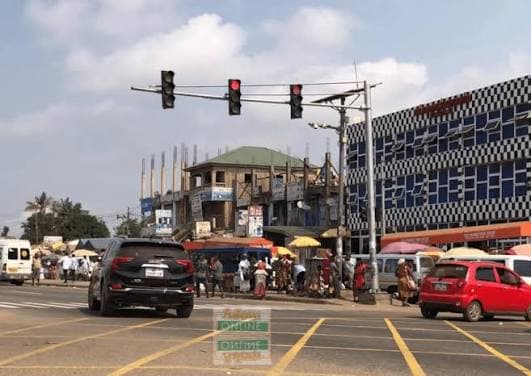
According to reports from adomonline.com, Ghana's newly deployed automated traffic enforcement mechanism has generated immediate fiscal and enforcement friction by logging 13,699 infractions in its opening week. Critics frequently dismiss automated systems as mere revenue collection traps for unwary motorists, yet the initial data points toward a profound behavioral crisis on national transit corridors.
How TraffiTech Cameras Operate on Ghana’s Main Arteries
Interior Minister Muntaka Mohammed-Mubarak revealed the figures before Parliament on Wednesday, November 25, 2026, during deliberations on the 2027 Budget. Operating since November 1, the TraffiTech architecture logged nearly GH¢4 million in potential fines strictly from a single operational category: overspeeding on signed routes. Proponents argue that numerical transparency exposes the sheer scale of routine traffic violations that historically overwhelmed understaffed police patrols.
Each camera unit blends radar speed detection with high-resolution imaging, then tags a vehicle’s registration plate for later processing. The system stores timestamped evidence on a secure server that links directly to the National Traffic Registry. When a vehicle exceeds the posted limit, the software automatically generates a violation record, which the Ministry later validates before issuing a notice.
Supporters insist that human patrols cannot match the round-the-clock consistency of digital lenses deployed across major thoroughfares. Road carnage remains a leading cause of mortality in the country, often surpassing major disease burdens in annual casualty counts. When accidents are tracked week by week, interior officials report an immediate downward tick following the system activation, suggesting that automated accountability alters driver calculations faster than sporadic checkpoints.
Early Enforcement Data and Trend Signals
The first seven days produced 13,699 speeding tickets, a volume that dwarfs the average monthly tally recorded by manual ticketing units. Analysts note that most infractions clustered around the Accra-Kumasi corridor, where traffic density peaks during commuter hours. The surge indicates that drivers habitually ignore speed limits even on well-marked stretches, reinforcing the Ministry’s claim that visibility alone does not guarantee compliance.
Beyond raw counts, the data reveal a “response curve” that flattens after the second day, hinting that some motorists adjust speed once they sense surveillance. Interior officials cite a 12 % dip in recorded violations on day five as early evidence that the deterrent effect is taking hold. Critics argue that the dip may reflect temporary caution rather than lasting cultural change.
Why Overspeeding Was Chosen First
The legislative framework undergirding the program actually lists 49 distinct punishable infractions, yet state operators deliberately restricted the initial rollout. Enforcement teams activated only overspeeding filters to test system reliability and driver response curves. Ministry directives explicitly barred enforcement on corridors lacking sufficient warning markers, ensuring penalties attached only where motorists ignored clear speed limits.
Statistical Reality of 13,000 Weekly Violations
The volume of infractions captured between November 1 and November 8 stunned lawmakers during the parliamentary budget debate. Recording over 13,000 speeding tickets from a restricted rollout demonstrates deeply ingrained driving habits that contribute to annual fatalities exceeding 2,000 deaths. Officials maintain that exposing these patterns is the only viable method to break cycles of reckless behavior on national highways.
Motorist Backlash and Revenue Collection Counter-Argument
Skeptics counter that hitting motorists with millions of cedis in penalties during an economic squeeze places an unsustainable burden on everyday commuters and transport operators. Critics argue that rapid fine accumulation functions as a punitive tax rather than a safety measure, especially when citizens struggle with broader cost-of-living pressures across the Economy & Markets sector.
Commercial drivers, who rely on tight turnaround times to make a living, view the cameras as an unyielding trap.
Furthermore, opposition voices question whether infrastructure deficiencies receive adequate attention alongside automated policing. Fixing faded road markings, repairing damaged asphalt, and improving street lighting often take a back seat to high-tech enforcement rollouts. Motorist associations contend that the state should prioritize engineering safer roads before punishing drivers for speeds adapted to poorly designed layouts.
Legal Challenges and Due-Process Concerns
Several transport unions have filed petitions demanding clearer procedural safeguards. They argue that the current notice-by-mail system violates the right to timely defense, especially when drivers receive a bill weeks after the alleged offense. Legal scholars note that Ghanaian traffic law requires “prompt notification,” a standard that digital enforcement must meet to avoid constitutional challenges.
In response, the Ministry pledged to pilot an SMS alert system within the next quarter. The proposed change would send a text containing the violation code and a link to the photographic evidence, allowing motorists to contest the ticket within 48 hours. If adopted, the measure could defuse some of the anger that fuels public protests.
Impact on Rural Versus Urban Drivers
Urban commuters experience the cameras daily along congested expressways, while rural drivers encounter them sporadically on regional highways. Data from the first week shows a 70 % concentration of tickets in Greater Accra, leaving northern districts relatively untouched. Critics warn that a rollout focused on high-traffic zones could exacerbate regional inequities, as urban drivers bear a disproportionate share of fines.
Rural advocacy groups call for a parallel investment in road-safety education, arguing that without contextual training the cameras will simply shift fines from one demographic to another.
Balancing Public Safety Against Financial Penalties
The central tension of the TraffiTech deployment lies in reconciling aggressive fatality reduction with fair administrative enforcement. While the interior ministry insists that visible signage protects motorists who heed warnings, the sheer volume of penalties issued in seven days proves that traditional driving habits remain dangerously misaligned with statutory limits. Parliamentarians now face the delicate task of defending the revenue-generating deterrent without alienating the constituent base relying on affordable transit.
As debates over the 2027 Budget continue, the long-term viability of automated traffic policing depends on whether fine collection translates into permanent behavioral shifts. If accident rates maintain their downward trajectory, the initial financial shock may give way to accepted highway discipline. If crashes persist alongside soaring fine revenues, public backlash threatens to stall the expansion of the remaining 48 punishable offenses.
Potential Policy Adjustments to Ease the Burden
One proposal on the table suggests tiered fines that scale with driver history. First-time offenders would face a reduced penalty, while repeat violators would incur the full GH¢4 million-level charge. The tiered model aims to preserve deterrence while offering a safety net for low-income commuters who may accidentally exceed speed limits.
Another idea involves “grace periods” during peak traffic jams, when congestion forces drivers to accelerate briefly. Allowing a five-second buffer could prevent a flood of tickets during rush hour without compromising overall safety goals.
Comparative Lessons From South Africa and Kenya
South Africa’s e-ticketing system, launched in 2022, initially faced similar backlash over perceived revenue motives. After a year, the government introduced a public dashboard showing accident reductions, which helped shift the narrative toward safety outcomes. Kenya, by contrast, paired its speed-camera rollout with a massive road-maintenance campaign, linking enforcement to tangible infrastructure upgrades.
Ghana’s policymakers can draw from these cases by pairing fine revenue with visible reinvestment in road safety—such as installing better lighting on high-risk stretches or funding driver-education programs in schools.
What Drivers Can Do Now
Experts advise motorists to calibrate cruise-control settings to the posted limit and to verify speedometer accuracy during routine vehicle inspections. Since the system currently lacks real-time alerts, drivers should treat any sudden increase in fines as a signal to reassess driving habits. Joining a transport union that offers legal assistance can also provide a buffer against unexpected penalties.
Ultimately, the next few months will test whether Ghana’s digital traffic shield becomes a trusted guardian of lives or a contested source of state revenue. The outcome will shape not only road-safety policy but also the broader debate over how technology intersects with everyday mobility.
The Morning Brief
One email a day with the stories that matter. Free, forever.
No spam. Unsubscribe anytime.
Comments (0)
Be the first to share your thoughts.