
Five Mexicans and Nigerian Businessman Arrested in Enugu Over $227M Meth Bust
Nigerian authorities arrest five Mexican nationals and a local businessman after uncovering an industrial-scale methamphetamine lab in Enugu worth $227m.
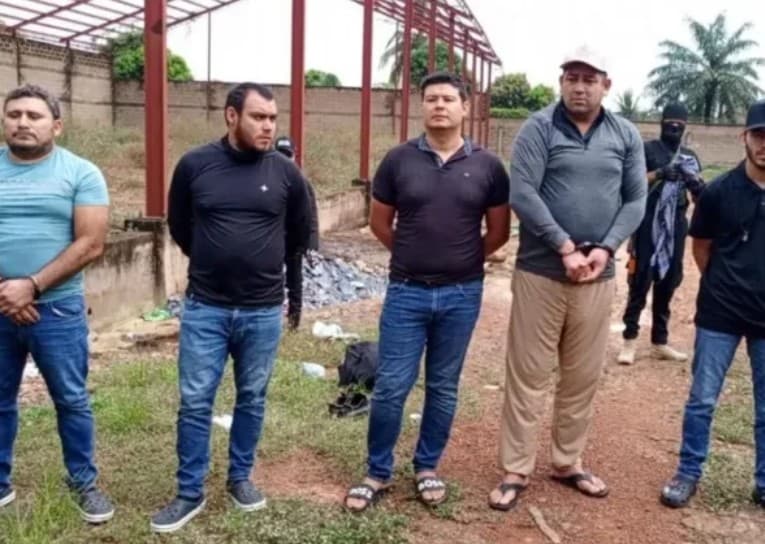
According to reports from adomonline.com and myjoyonline.com, Nigerian authorities have arrested five Mexican nationals and a local businessman following the discovery of an industrial-scale methamphetamine laboratory in the south-eastern state of Enugu. Investigators seized more than 1.5 tonnes of finished synthetic drugs and product still in production from a facility concealed behind an oil company.
The National Drug Law Enforcement Agency estimates the confiscated narcotics carry a street value of $227m.
How Transnational Cartels Built an Enugu Production Hub
The raid marks a dangerous shift in West African drug trafficking networks, moving the region beyond a simple transit corridor into active manufacturing. Intelligence officials revealed that foreign chemists bypassed local entry controls using sophisticated forgery methods before setting up permanent operations in rural Nigeria.
The Forged Passports and Border Bypasses
The 63-year-old Nigerian businessman Chuks Enoch Ezeike, known locally as Over Size, allegedly orchestrated the smuggling operation by acquiring forged Argentine, Colombian, and Chilean passports for the arriving specialists. When the five Mexican nationals first landed at Abuja's international airport in August, border officials turned them away and placed them on a return flight to Mexico.
Undeterred by the initial setback, the network routed the men through Colombia and France before landing them in neighboring Benin. Armed with fresh travel documents, the group crossed into Nigeria while federal investigators tracked their movements across state lines, opting to monitor the network rather than trigger a premature border expulsion.
Inside the Enugu Facility and Accommodation
The clandestine laboratory sat quietly behind an active oil company site in Enugu, providing ideal cover and industrial infrastructure for chemical processing. The property included built-in living quarters that allowed Oscar Ramos-Cardenas and his four compatriots to live, sleep, and cook synthetic drugs without drawing local suspicion.
Investigators also seized nearly seven tonnes of precursor chemicals alongside heavy manufacturing equipment during the simultaneous raids. Over 200 anti-narcotics officers descended on both the laboratory and a Lagos hotel on 11 November, catching the chemists mid-production just two days before their scheduled departure flight.
The Multi-Month Intelligence Operation Behind the Raid
Federal drug enforcement officials tracked the syndicate over seven months of cross-border intelligence sharing involving multiple international partners. The operation highlights how local law enforcement agencies are adapting to global cartels shifting production bases into developing Africa economies where overhead is low and enforcement resources are stretched.
The Decision to Let the Chemists In
NDLEA chief Mohamed Buba Marwa defended the tactical choice to permit the suspects entry after their second attempt at the border. Federal teams wanted to dismantle the entire supply chain rather than simply expel low-level mules who would be easily replaced by transnational syndicates.
Investigators quietly tracked Ezeike and the foreign specialists from the moment they met in Lagos until they settled inside the Enugu production compound. That deliberate patience netted the alleged ringleaders, the physical factory, and the entire inventory of manufactured goods before the syndicate could disperse.
Broader Implications for Regional Security and Trade
This bust represents the fourth industrial meth facility linked to Mexican cartels discovered across Nigeria in recent months, bringing the total number of arrested Mexican specialists to ten. While domestic consumption of synthetic drugs is climbing across the region, much of the industrial output targets lucrative export markets in Europe and Asia.
The recurring raids have raised urgent questions about how enforcement agencies safeguard critical Security infrastructure against foreign infiltration. As authorities await trial dates for the suspects currently in custody, federal officials have signaled that foreign syndicates will face aggressive crackdowns across every state.
The Morning Brief
One email a day with the stories that matter. Free, forever.
No spam. Unsubscribe anytime.
Comments (0)
Be the first to share your thoughts.