
French Far-Right Leader Jordan Bardella Faces Fresh Antisemitism Accusations Over 2013 Teen Chats
French far-right leader Jordan Bardella faces fresh antisemitism accusations following the publication of chat logs from his teenage years in 2013.
Public Perception Versus Documented Reality in French Political Scrutiny
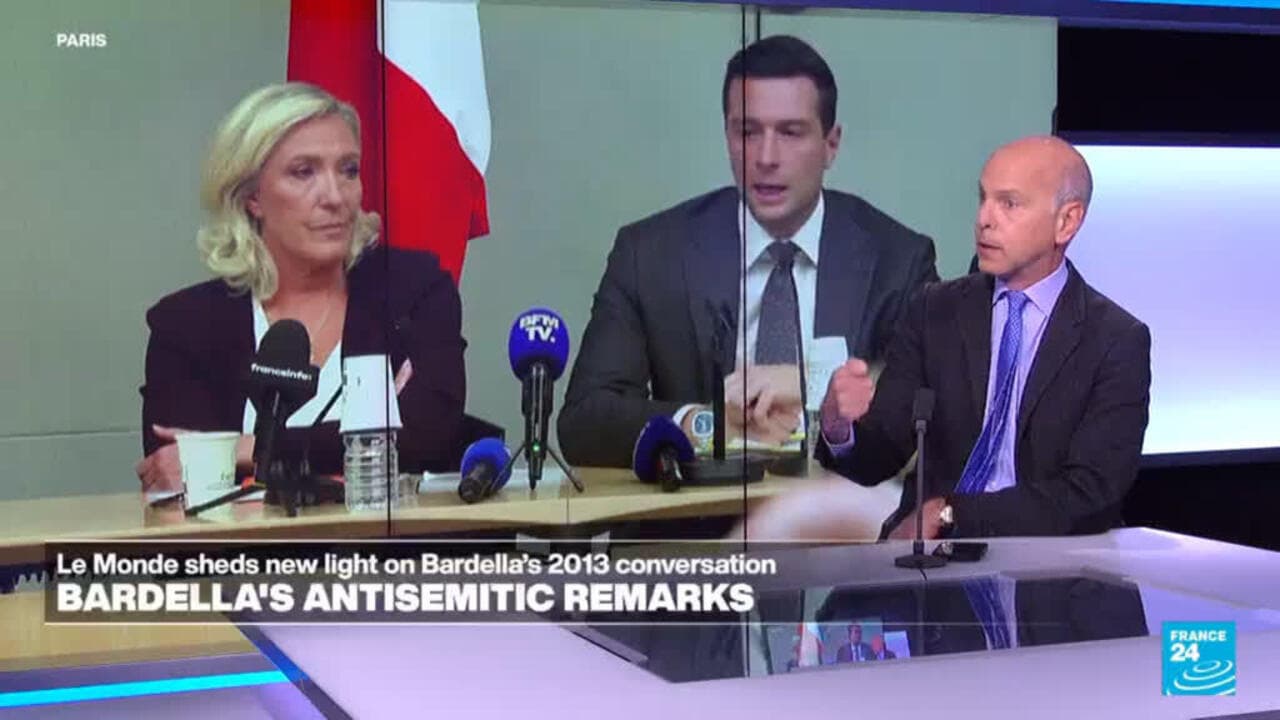
According to reports from France 24, French far-right leader Jordan Bardella is confronting a fresh wave of political fallout following the publication of new media reports detailing antisemitic and conspiratorial remarks allegedly made in online chats from 2013, when he was a teenager. The National Rally president has consistently denied making any antisemitic remarks throughout his public career.
Public debates often treat these recurring digital leaks as partisan static rather than a structural test of candidate vetting within World News circles. Supporters dismiss the leaked text files as irrelevant teenage noise, while critics argue the content reveals deep-seated ideological habits. This constant tug-of-war distorts the actual paper trail.
When investigative outlet Mediapart first broke the initial batch of allegations in September, supporters and political commentators downplayed the chat logs as youthful indiscretions. The release of a secondary trove of digital communications forces a sharper reassessment across European Politics. Observers must separate partisan hand-wringing from the verifiable paper trail of a major political leader's formative digital footprint.
How Investigative Journalists Uncovered the 2013 Digital Trail
Investigative reporting relies on persistent digital archaeology. Reporters spent months cross-referencing archived usernames, forum interactions, and peer-to-peer messaging networks to connect the teenage alias to the adult politician.
Tracing the Youthful Persona
The newly published material centers on online communications allegedly originating from 2013, a period when Bardella was roughly 17 years old. Investigative journalists have spent months piecing together archived usernames, forum interactions, and peer-to-peer messaging networks. These records place the young activist squarely inside radical digital ecosystems long before his ascent to party leadership.
Digital sleuths mapped specific forum signatures, linguistic habits, and timestamps. These technical footprints link the historical handles directly to accounts managed later by the rising politician. Such forensic tracking strips away plausible deniability.
Weighing the Volume of Recovered Logs
While defenders argue that adolescent chatrooms shouldn't dictate the trajectory of a senior statesman, political analysts point to the persistent nature of the recovered logs. The volume of text recovered by Mediapart and other French outlets suggests a sustained pattern rather than a single offensive outburst. This distinction matters deeply to voters attempting to gauge ideological consistency.
A single offensive comment can be written off as a momentary lapse in judgment. Hundreds of archived messages require a different level of scrutiny. Analysts examine whether these digital habits reflect a passing phase or an entrenched worldview.
The National Rally Defense and Public Rebuttal
Party officials have moved quickly to insulate the National Rally president from the mounting pressure, framing the reports as a coordinated political smear timed to damage his electoral prospects. Bardella maintains his absolute innocence regarding antisemitism, positioning himself as a victim of relentless media scrutiny. This defensive posture remains a core pillar of the party's crisis management strategy.
Party lawyers evaluate potential defamation claims while spin doctors push counter-narratives across social media channels. They argue that digging up decade-old forum posts crosses an ethical line in campaign coverage. This counter-attack aims to rally core supporters against what they call establishment media bias.
Managing Voter Trust Amid Digital Disclosures
However, the repetition of these disclosures complicates ordinary citizens' ability to trust political packaging. Voters across France weigh polished television appearances against raw chat logs from a decade prior. That friction creates an ongoing test of voter forgiveness versus long-term accountability in modern democratic institutions.
Campaign events now feature reporters pressing the candidate on his teenage online aliases. Each denial generates fresh headlines, keeping the historical controversy alive in the daily news cycle. Political strategists know that prolonged defensive messaging drains valuable campaign momentum.
Institutional Pressures Facing European Political Parties
The controversy surrounding Jordan Bardella extends far beyond one individual, raising uncomfortable questions about how emerging political figures are vetted across the continent. Mainstream parties face mounting pressure to address extremist ties within their own ranks, even as the National Rally works to normalize its presence in mainstream governance. Every new data drop serves as a stress test for institutional resilience.
Party headquarters across Paris and Brussels are tightening their internal screening procedures for digital footprints. Candidates now undergo rigorous social media audits before securing nomination for municipal or parliamentary seats. Nobody wants a surprise forum leak derailing a multi-million-euro election campaign.
Voter Skepticism and the Battle Over Historical Context
Voters are left to decide whether teenage online behavior disqualifies a modern political figure or if such reports represent manufactured outrage. This divide highlights a broader cultural split over redemption and accountability in the digital age. Political strategists on all sides monitor these developments closely, knowing public fatigue could either blunt the scandal or deepen voter cynicism.
Focus groups show a deeply polarized electorate split along familiar partisan lines. Supporters view the disclosures as desperate attacks from failing opponents, while detractors see a permanent disqualifier. This lack of consensus prevents any definitive closure on the scandal.
Measuring Political Fallout at the Ballot Box
As French media outlets continue to comb through archived communications, the ultimate impact will be measured at the ballot box rather than in television studios. The ongoing dispute over Bardella's past chat logs demonstrates that digital footprints cast long shadows over contemporary campaigns. Voters must ultimately weigh these unverified historical revelations against present-day policy platforms.
Election day tallies will reveal whether past digital misbehavior carries a measurable electoral penalty in modern France. Local party branches prepare for difficult town halls where constituents demand direct answers about these archived communications. The outcome sets a precedent for how future candidates manage the permanent memory of the internet.
The release of a secondary trove of digital communications forces a sharper reassessment across European Politics. Observers must separate partisan hand-wringing from the verifiable paper trail of a major political leader's formative digital footprint.
Political Analyst Dossier, Paris
The Morning Brief
One email a day with the stories that matter. Free, forever.
No spam. Unsubscribe anytime.
Comments (0)
Be the first to share your thoughts.