
Five Killed in Jigawa Midnight Raid as Security Forces Probe Reprisal
Five residents died and six others sustained machete and arrow wounds during a midnight raid in Jigawa State, prompting an urgent NSCDC investigation.
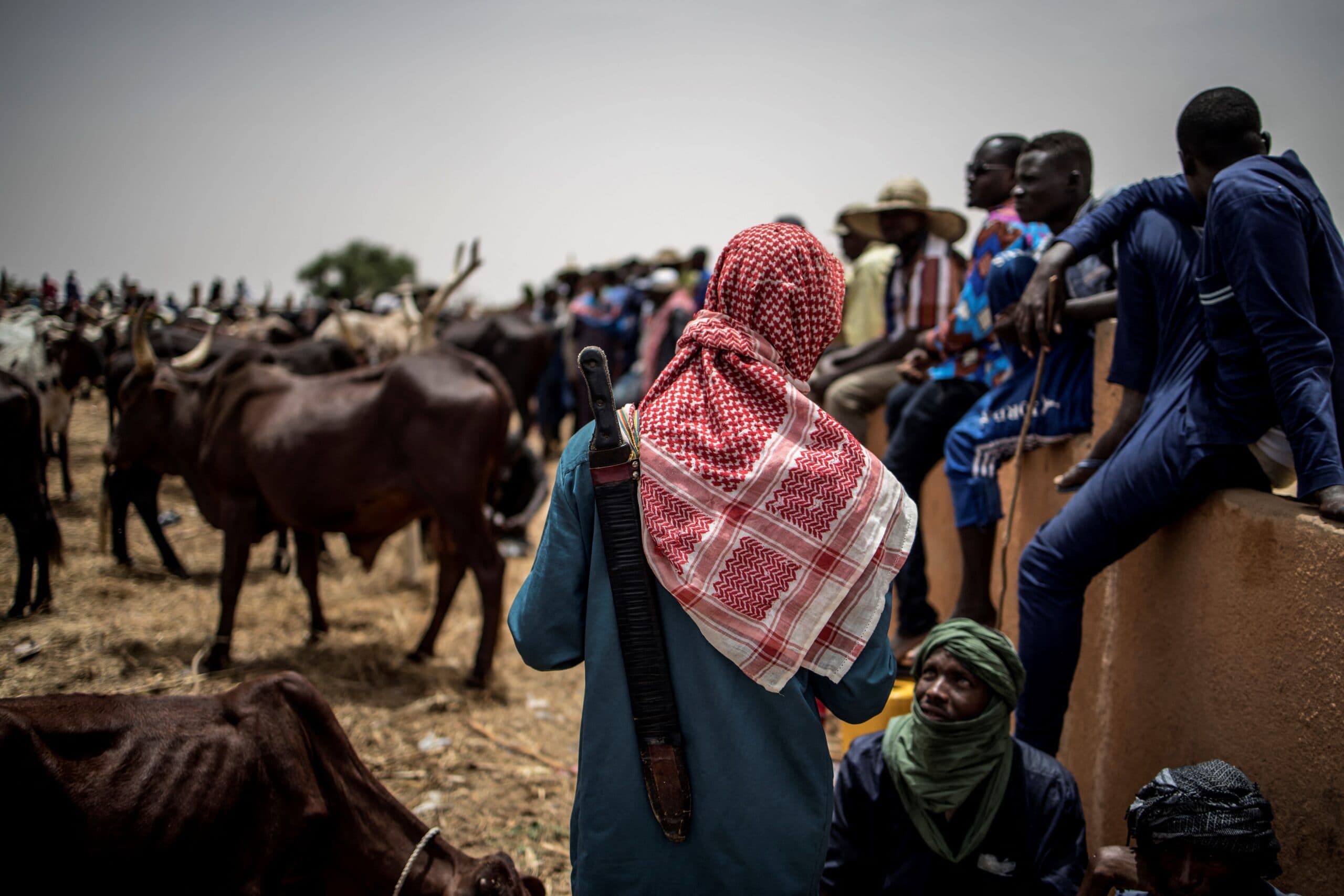
Five residents were confirmed dead following a coordinated midnight assault in Gurjiya village, located within the Aujara District of Jahun Local Government Area in Jigawa State. According to Premium Times, the violent intrusion unfolded at approximately 1:00 a.m. on Thursday, leaving a trail of severe injuries across the rural settlement.
The Scale of the Assault and Casualty Breakdown
Data released by the Nigeria Security and Civil Defence Corps details a grim tally of fatalities and physical trauma among the local population. The confirmed dead include 70-year-old Abdulmumini Abdullahi, 70-year-old Malam Ashiru, 60-year-old Miko Maigwanjo, 45-year-old Aki Faruq, and 50-year-old Isyaku Imamu. Six additional residents sustained severe trauma during the targeted raid.
Documented Injuries and Weapon Types
Medical assessments and security logs at the scene revealed specific physical wounds inflicted on the surviving victims. The injured include 40-year-old Bala Idris from neighbouring Taraya village and 60-year-old Ado Usaini, who was discovered unconscious on the ground. Corps spokespersons noted that the wounds were predominantly caused by machete cuts and arrow strikes, pointing to close-quarters combat inside residential compounds.
Local clinics in the Aujara District scrambled to triage the survivors as dawn broke over the devastated settlement. Nurses reported treating deep lacerations requiring emergency sutures, while lack of local ambulances delayed patient transfers to larger regional hospitals. Family members stayed by makeshift bedsides, providing basic care as medical supplies ran dangerously low within the first twelve hours.
Investigating officers recovered scattered arrows and blood-stained farming tools from dusty pathways between the mud-brick homes. These physical items were tagged and bagged as forensic evidence to establish the exact timeline of the room-by-room intrusions. Police photographers captured every angle of the structural damage left behind by the marauding force.
The Mobilization Metrics Reported by Authorities
Security intelligence gathered after the event highlights an unusually large scale of tactical coordination by the attacking force. Official NSCDC tracking indicates that more than 100 camel riders, alongside unidentified foot combatants, converged on the village for the operation. Investigators are currently cross-referencing these numbers against regional movement logs to determine the origin of the raiding party.
State intelligence units mapped out the likely transit paths used by the hundreds of riders across open grazing tracts. Local informants reported hearing the distinct rustle of brush and animal vocalizations moments before the assault commenced under a moonless sky. Command planners use these movement patterns to pinpoint logistical staging grounds utilized by mobile militias operating across remote state boundaries.
Military checkpoints located miles away from Jahun recorded no unusual vehicular traffic, confirming the attackers relied strictly on animal transport and footpaths. This reliance on traditional mobility allows raiding columns to bypass electronic surveillance grids and paved highway patrols. Security commanders now face the hard task of monitoring thousands of square miles of untracked bushland with limited personnel.
Underlying Intelligence and Retaliation Triggers
Operational data compiled by the NSCDC links the midnight raid to a specific prior confrontation that occurred roughly two months before the incident. According to intelligence reports, suspected herders had initially invaded the community, resulting in a physical clash where local residents killed one of the suspected intruders. State security commanders are treating the current violence as a calculated reprisal tied directly to that historical flashpoint.
Blood feuds between agrarian farmers and pastoralist groups frequently simmer for months before boiling over into lethal nighttime attacks. Community elders had attempted informal peace talks following the earlier killing, but distrust stalled formal reconciliation efforts. That breakdown in local mediation left Gurjiya exposed to the meticulously planned punitive expedition mounted on Thursday morning.
State officials acknowledge that cycles of revenge threaten dozens of similar agrarian hamlets scattered across Jahun Local Government Area. Without active disarmament programs or structured dispute resolution mechanisms, grieving families often seek their own form of justice. This persistent vulnerability drains local police resources and leaves rural economies in a state of permanent tension.
Inter-Agency Response and Tactical Deployments
In response to the escalation, the Jigawa State command of the NSCDC initiated joint patrols with sister security agencies operating across the region. State Commandant Muhammad Ingawa condemned the killings while directing investigative units to track down fleeing suspects. Officials are also engaging local stakeholders in the Africa region and beyond to prevent further retaliatory cycles from taking root in rural districts.
Armored personnel carriers rumbled into the district capital late Thursday afternoon to project state authority and reassure terrified villagers. Police tactical squads set up temporary checkpoints along dirt tracks leading toward neighboring Yobe and Kano state borders. Intelligence officers interviewed surviving witnesses in secured rooms, gathering physical descriptions of key instigators who led the camel-mounted column.
Cooperation between civil defense units, the Nigerian Army, and state police remains critical for securing vulnerable rural outposts against sudden incursions. Joint command centers share real-time radio chatter to coordinate rapid response teams when scouts spot suspicious group movements. Still, response times lag significantly when distress calls originate from remote settlements lacking reliable cellular coverage.
The Limits of Quantitative Intelligence Estimates
While security tallies provide a clear metric of the immediate damage, quantitative tracking of transient rural attackers presents distinct analytical challenges. Intelligence tallies regarding camel-mounted forces rely heavily on fragmented eyewitness accounts gathered in the dark hours following the attack. Independent analysts note that crowd size estimates in rural nighttime raids often carry a margin of uncertainty, complicating rapid tactical responses by distant garrison units.
Panic in the village during the 1:00 a.m. onslaught distorted initial reports filed by terrified residents who fled into surrounding agricultural fields. Some early estimates inflated the number of combatants twofold before forensic teams tallied spent shell casings and footprints at dawn. Analysts must constantly weigh raw witness testimony against hard physical traces left behind in the dust to build credible operational summaries.
Mapping mobile rural threats requires continuous aerial reconnaissance that local security commands often lack due to tight budgetary constraints. Without dedicated surveillance aircraft, intelligence officers depend on slow-moving human networks that can take days to verify rumors. This information gap leaves rural communities perpetually vulnerable to surprise tactics employed by fast-moving nomadic groups.
Community Stabilization and Prevention Protocols
Local authorities face immediate pressure to restore order and deter counter-attacks across vulnerable farming and herding settlements in Jahun. Command leadership has urged residents to refrain from self-help measures while investigations proceed. Traditional rulers and community gatekeepers have been tasked with establishing early-warning communication channels to report suspicious group movements before violence erupts.
District heads convened emergency meetings with youth leaders on Friday to calm rising tempers and prevent retaliatory raids against innocent pastoralists. Elders emphasized that generalized revenge would only trigger another wave of bloodshed across the Aujara District. Security personnel distributed direct telephone hotline numbers to local chiefs, bypassing bureaucratic delays when reporting suspicious strangers.
Humanitarian aid groups mobilized food distributions and trauma counseling for families displaced by the midnight terror in Gurjiya. Local government secretariats prepared temporary shelters for residents whose homes were torched or severely damaged during the assault. As patrols continue down dusty rural roads, community leaders monitor every movement while waiting for state promises of permanent security outposts to materialize.
The Morning Brief
One email a day with the stories that matter. Free, forever.
No spam. Unsubscribe anytime.
Comments (0)
Be the first to share your thoughts.