
Katsina Forms Panel to Probe Daura Emir Over Tourist Assault Claim
Katsina State has formed a nine-member investigative panel to probe sexual assault allegations against the Emir of Daura following viral tourist footage.
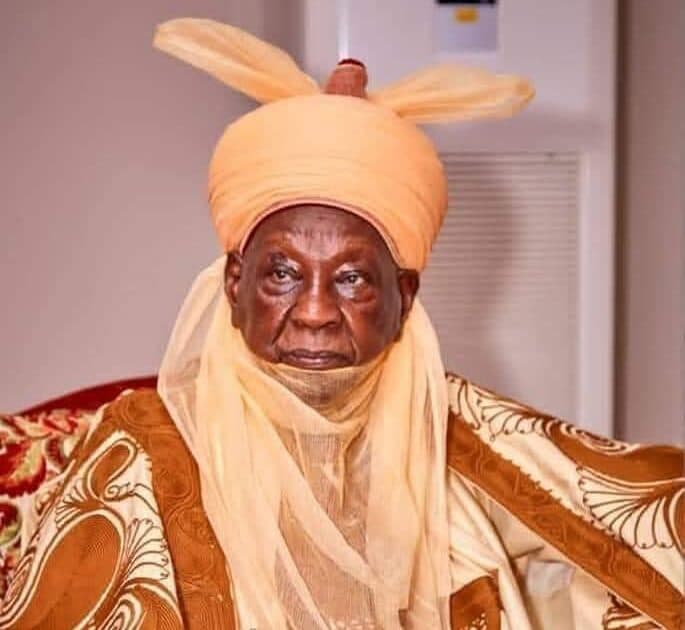
According to reports by Punchng.com, vanguardngr.com, and channelstv.com, the Katsina State Government has constituted a nine-member investigative committee to examine sexual assault allegations against the Emir of Daura, Alhaji Umar Farouk Umar. Critics often assume that traditional rulers in Nigeria sit completely above state oversight, protected by decades of institutional reverence. Yet the appointment of a high-powered judicial panel proves that public scandal can pierce even palace walls.
The state government announced the probe following widespread public outrage over viral social media posts and footage. Governor Dikko Radda approved the investigative body with a strict four-week deadline to submit its final findings. State officials insist the process will test whether long-standing royal immunity can withstand modern digital accountability in Africa.
The move also signals Governor Radda's intent to reinforce his administration's anti-corruption agenda ahead of the upcoming state elections. By targeting a figure as prominent as the Daura Emir, the governor hopes to demonstrate that no patronage network is untouchable.
Political Stakes and Public Pressure
When the video first surfaced, opposition parties seized the moment to demand a full inquiry, arguing that the incident exposed deeper governance gaps. Civil society groups rallied in Kano and Sokoto, organizing protests that called for transparent justice rather than quiet settlements.
Opposition Parties' Demands
Members of the Peoples Democratic Party filed a motion in the state assembly, urging lawmakers to compel the committee to publish interim findings. Their spokesperson warned that silence would fuel cynicism toward democratic institutions.
Civil Society Mobilization
Human Rights Watch Nigeria issued a statement urging the government to protect witnesses from intimidation. Local NGOs set up a hotline for anyone with additional evidence, promising anonymity and legal counsel.
The Genesis of the Palace Controversy and Viral Allegations
The scandal erupted after Polish tourist Mirka Czee published a series of Instagram posts detailing an encounter at the Daura palace. Czee, who completed a 30-day tour of Nigeria, stated she waited until she left the country before speaking out. Her account sparked immediate nationwide debates concerning tourist safety and royal conduct.
The Accusation and Digital Evidence
Czee alleged that the Emir kissed her, hugged her, and touched her breasts without her consent during a November 14 visit. She claimed she repeatedly told him to stop while recording portions of the meeting with Meta smart glasses. The resulting video footage quickly circulated across multiple social media platforms, forcing state authorities to abandon their usual silence.
Forensic Review of the Footage
Independent digital-forensics experts were engaged to verify metadata, frame rates, and audio consistency. Their preliminary report indicated that the file originated from a device registered to Czee, reducing claims of manipulation. The experts will present their full analysis to the investigative panel next week.
Response From the Emirate and Human Rights Groups
The Daura Emirate Council initially stated it was reviewing the viral footage to determine if it had been artificially generated. An unnamed palace source denied the allegations entirely, though the Emir himself issued no direct personal statement. Meanwhile, Amnesty International Nigeria condemned online harassment and death threats directed at Czee, demanding an independent inquiry to prove no citizen stands above the law.
Diplomatic Repercussions
Poland’s embassy in Abuja issued a travel advisory, urging its citizens to exercise caution when accepting private invitations from local dignitaries. The advisory noted that the incident could affect bilateral cultural exchanges if unresolved.
The Composition and Mandate of the Investigative Committee
Governor Radda structured the nine-member panel with heavy judicial and administrative weight to preempt claims of a whitewash. Retired Justice Amiru Sanusi chairs the committee, while state Attorney-General Fadila Dikko serves as secretary. The diverse roster includes academic experts, religious leaders, and foreign diplomacy advisors tasked with unravelling the sequence of events.
The committee is expected to commence its work immediately after inauguration and submit its report within the stipulated period.
— Dr Bala Zango, Commissioner for Information and Culture, Katsina State
The panel's terms of reference require investigators to examine visitor logs, review digital records, and interview every person connected to the meeting. Officials gave the committee exactly four weeks from its inauguration date to finish gathering evidence. The state government also appealed for public calm, urging citizens to avoid preemptive commentary that might prejudice the outcome.
Selection Criteria for Committee Members
Each member was vetted for prior involvement in high-profile corruption probes, ensuring no conflict of interest. The governor’s office released a shortlist that highlighted past rulings on sexual harassment cases, signaling a commitment to expertise over political loyalty.
Procedural Safeguards
The committee must submit weekly progress briefs to the State House of Assembly, a measure designed to keep the inquiry transparent. Witnesses will be offered protection under the state’s witness-security scheme, which includes relocation and police escort.
Regulatory Fallout and New Protocol Mandates for Traditional Rulers
The scandal has already altered how traditional institutions interact with foreign visitors across Katsina State. Government officials responded swiftly by tightening oversight on local monarchies to prevent future diplomatic embarrassments.
Mandatory Clearance for Foreign Guests
The state government issued a strict directive requiring all emirs to obtain official clearance before hosting foreign nationals at their palaces. Emirs must now seek formal approval from the Departments of Protocol and Cabinet/Security Matters. This administrative shift places ancient traditional institutions under direct bureaucratic supervision for international visits.
Impact on Tourism Revenue
Travel operators warned that the new clearance rule could delay itineraries, potentially shaving 5-10 percent off annual tourism earnings in the region. Local hoteliers, however, hope the heightened scrutiny will reassure wary visitors and attract a more discerning clientele.
Potential Legal Challenges
Several royal lineage groups filed a petition in the High Court, arguing that the clearance requirement infringes on constitutional protections for traditional authorities. Legal analysts predict a protracted battle that could set precedent for the balance of power between state and palace.
Weighing State Oversight Against Traditional Autonomy
Defenders of royal heritage argue that heavy-handed bureaucratic rules erode the cultural prestige of northern emirates. Conversely, reformers contend that modern accountability requires transparent administrative controls over anyone entertaining foreign visitors. The upcoming committee report will ultimately dictate whether Katsina's unprecedented probe becomes a permanent check on royal power or a temporary political containment strategy.
The Morning Brief
One email a day with the stories that matter. Free, forever.
No spam. Unsubscribe anytime.
Comments (0)
Be the first to share your thoughts.