
Congo Ebola Outbreak Crosses 12,000 Cases As Armed Conflict Halts Health Crews
The Ebola outbreak in eastern DRC surpasses 12,000 cases as intense armed conflict halts critical health interventions and supply lines.
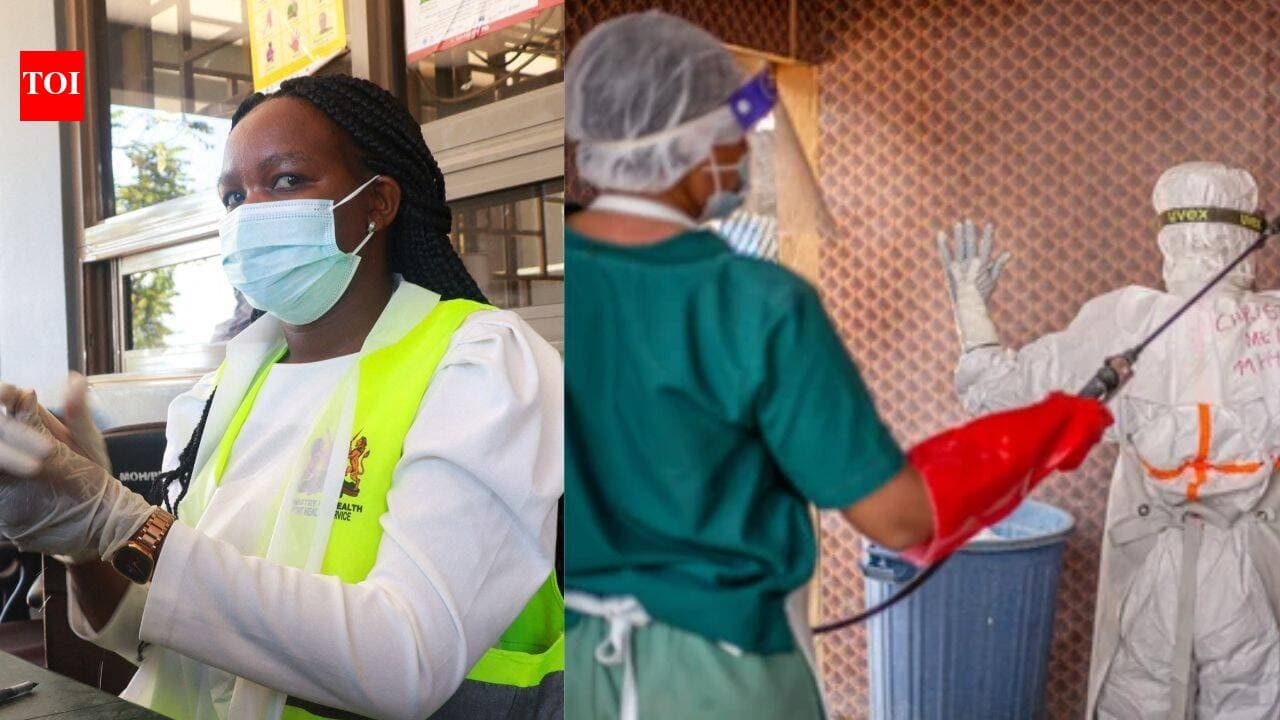
The Ground-Level Realities Facing Rural Clinicians in Eastern Congo
According to reports by the Times of India, Euronews, and Al Jazeera, the ongoing Ebola outbreak in eastern Democratic Republic of Congo has crossed 12,000 confirmed cases since May. For a single rural clinic operating in the conflict zone, this milestone translates into daily triage decisions that clinicians never trained to make.
The case count reflects more than numbers; it maps onto families who have lost breadwinners and children who now face orphanhood. Villages that once sent a handful of patients a week now queue dozens at sunrise, hoping for a chance at care.
When armed clashes block supply routes, refrigerators storing vaccines sit idle, and medical officers must choose which wards receive remaining protective gear. Patients arrive on foot after walking miles through contested territory, only to find treatment centers shuttered by stray mortar fire.
Clinicians report sleepless nights as they watch colleagues succumb to fatigue and anxiety. The mental toll fuels turnover, leaving the most experienced staff to shoulder ever-growing responsibilities.
This localized friction exposes a brittle containment framework. International aid groups cannot deploy personnel into zones controlled by shifting militias without risking immediate kidnappings or crossfire casualties. Local health workers shoulder the entire burden, often working weeks without hazard pay or dependable communication channels. Their makeshift isolation tents rely on generators that run dry when regional fuel convoys are ambushed on provincial highways.
Radio silence is common; many clinics lack even a single working handset. When a power outage knocks out satellite links, doctors cannot report new cases, and responders lose real-time situational awareness.
How Supply Chain Fractures Starve Isolation Wards
Medical logistics in eastern Congo depend on fragile corridors that close instantly when hostilities flare. Chlorine, syringes, and oral rehydration salts sit packed in regional warehouses while trucks wait indefinitely for military escorts that rarely materialize. Without predictable transit lanes, rural outposts burn through emergency stockpiles within hours of a new community cluster emerging.
Last month, a convoy carrying 2,000 vials of rVSV-ZEBOV vaccine was diverted after a militia demanded a toll at a river crossing. The driver turned back, leaving the clinic with only half the needed doses for the week.
Fuel Shortages Cripple Cold Chain
Generators that power vaccine freezers run on diesel sourced from distant depots. When fuel trucks are hijacked, clinics scramble for candles and kerosene, improvising makeshift cooling boxes that cannot guarantee potency.
One nurse described how a three-day power loss forced the clinic to discard 150 doses, a loss that could have protected an entire hamlet.
Community Resistance Amplified by Security Vacuums
Decades of institutional neglect have eroded local trust in government-backed medical interventions long before the first Ebola case appeared. When armed actors disrupt burial teams and burn disinfection stations, residents turn inward and hide symptomatic relatives from contact-tracing officers. Suspicion spreads faster than the pathogen, turning community engagement into a high-stakes security operation rather than a public health campaign.
Rumors that Ebola is a bioweapon deployed by foreign powers circulate alongside traditional beliefs that the disease is a curse, prompting families to seek herbal remedies instead of clinical care.
Traditional Healers Fill the Gap
In villages where clinics sit empty, traditional healers step in, offering herbal poultices and prayer. While some practices provide comfort, they also delay diagnosis and isolate patients from life-saving supportive therapy.
Health officials note that 40 % of early-stage patients first consult a healer, a pattern that fuels silent transmission chains.
Regional Spillover and the Strains on International Responders
Beyond individual clinics, the crisis ripples outward into neighboring provinces and across porous international borders, threatening wider stability across Africa. Neighboring nations have ramped up thermal screening at border posts, yet informal trade routes make total containment an impossible arithmetic problem. Traders cross forested footpaths every night, carrying goods and invisible viral loads past unmanned checkpoints that lack basic testing kits.
Border health posts in North Kivu report receiving travelers with fever but lack rapid diagnostic tests, forcing them to refer patients to distant labs that may be days away.
Border Health Posts Struggle with Testing Gaps
Rapid diagnostic kits arrive in sealed boxes that sit on shelves for months because customs officers cannot verify their authenticity amid armed patrols. Without timely testing, suspected cases linger in markets, increasing exposure risk.
Local officials estimate that each unchecked crossing could seed up to five new clusters, a projection that drives frantic appeals for mobile labs.
Global health bodies find themselves paralyzed between administrative mandates for safety and the messy reality on the ground. Funding appeals crawl through bureaucratic channels while transmission rates accelerate in densely populated displacement camps. Every week of delay in vaccine deployment adds thousands of potential transmission vectors to an already overwhelmed epidemiological map.
In the largest camp near Goma, population density rivals that of a mid-size city, yet water points remain under-pressurized, turning basic hygiene into a daily gamble.
Displacement Camps Become Amplifiers
Over 200,000 people have fled fighting towns, crowding into makeshift shelters that lack isolation wards. When a single case surfaces, contact tracing teams struggle to map relationships among families that share a single latrine.
The camp’s medical coordinator warned that without additional isolation tents, the next outbreak could overwhelm the entire settlement within weeks.
The Economic Toll on Cross-Border Commerce
Markets in Goma and surrounding trading hubs face severe contraction as quarantine perimeters expand and shrink without warning. Small-scale farmers cannot transport perishable harvests to urban buyers, plunging rural households into sudden debt. Currency exchange values fluctuate wildly in conflict-adjacent zones as traders hoard hard currency and abandon digital payment systems.
Price spikes for staples like maize have risen by 30 % since the outbreak began, squeezing already fragile household budgets.
Humanitarian Access Negotiations Under Fire
Negotiating safe passages with fractured insurgent groups requires a delicate, dangerous form of backchannel diplomacy that institutional bodies struggle to execute. Armed factions frequently use humanitarian blockades as leverage in broader territorial disputes with government forces. Humanitarian coordinators must choose between compromising neutrality or abandoning patients altogether.
In March, a convoy of WHO staff was turned back after a rebel commander demanded the release of detained fighters, leaving a clinic without essential antivenom for a week.
The Structural Failure of Emergency Public Health Frameworks
The crossing of 12,000 cases marks a grim milestone that exposes the limits of reactive international aid models. When disease outbreaks intersect with protracted regional warfare, standard protocols designed for stable nation-states collapse immediately. The system waits for absolute security guarantees that never arrive, leaving local communities to absorb the full cost of institutional inaction.
Fixing this cycle requires rethinking how containment resources are deployed in active conflict zones. Until international agencies build decentralized supply networks that operate independently of central government security apparatuses, epidemiological numbers will continue to climb unchecked.
Decentralized Stockpiles: A Viable Alternative?
Some NGOs experiment with micro-warehouses hidden in community centers, stocked with vaccines that can be released by locally trained volunteers. These hubs bypass the need for armed escorts, relying instead on trusted village elders to guard supplies.
Early pilots in Ituri province show a 25 % reduction in stock-out incidents, suggesting that scaling such models could buy critical time during flare-ups.
The next step hinges on donor willingness to fund a network of hidden depots rather than a single central hub. Decision-makers face a stark trade-off: invest in a resilient, dispersed system now, or watch case numbers surge as the current model stalls.
The Morning Brief
One email a day with the stories that matter. Free, forever.
No spam. Unsubscribe anytime.
Comments (0)
Be the first to share your thoughts.