
Eisenkot Rejects Netanyahu Rotation Offer as Israeli Coalition Talks Stall
Former general Gadi Eisenkot has distanced himself from forming a unity government with Binyamin Netanyahu following high-stakes coalition talks.
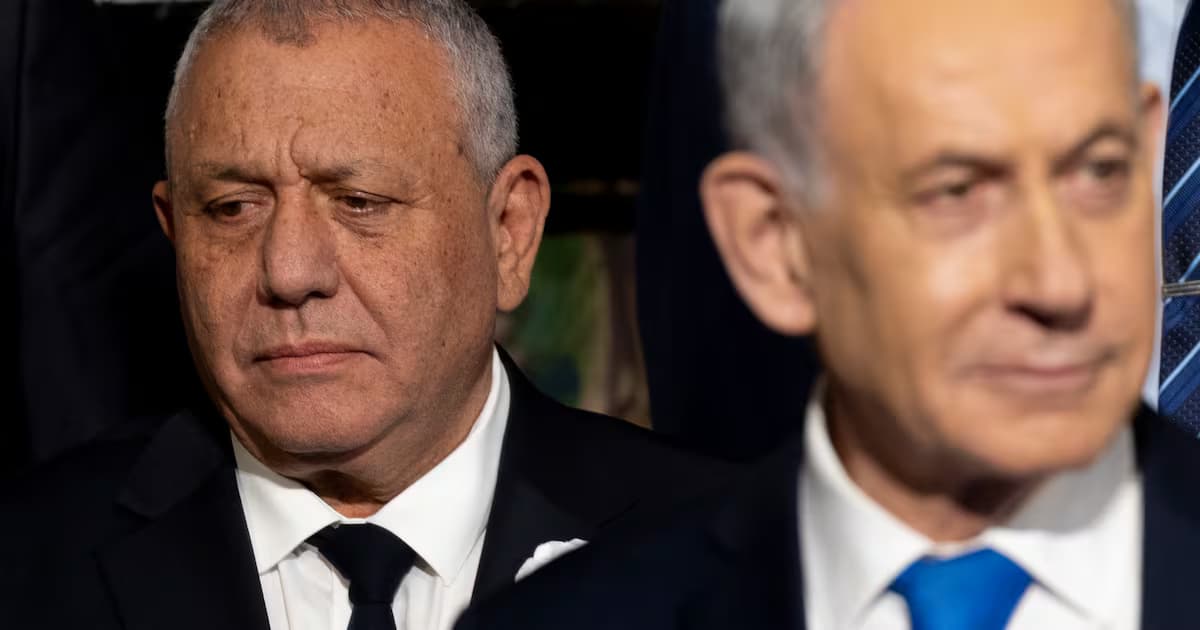
According to reports from The Irish Times, former general Gadi Eisenkot has distanced himself from forming a unity government with caretaker prime minister Binyamin Netanyahu. The high-stakes meeting between the political rivals on Sunday morning followed a surprise offer from Netanyahu to rotate the premiership, giving Eisenkot the top job first.
With an official December 6th deadline looming, the path to forming a stable administration in Jerusalem remains fractured by deep personal distrust and structural disagreements. Understanding these friction points requires looking at how Israeli coalition arithmetic works and why centrist leaders are gambling on narrow mathematical margins instead of broad unity.
The Mechanics of Israel's 120-Seat Knesset Stalemate
Coalition formation in Israel is a numbers game governed by parliamentary math rather than pure popular vote totals. In last month's elections, pro-Netanyahu forces secured 53 seats, while Eisenkot's four-party bloc captured 48 seats in the 120-seat Knesset. Both camps fell well short of the 61-seat majority required to govern independently.
Why Rotation Offers Collide With Anti-Corruption Platforms
Netanyahu attempted to break the deadlock by proposing a split term where Eisenkot would serve as prime minister first, followed by Netanyahu as alternate prime minister. For a leader fighting for political survival after record-long service, the concession was designed to neutralize Eisenkot's anti-corruption momentum. But Eisenkot built his campaign on direct denunciations of Netanyahu's fitness for office, making power-sharing arrangements toxic to his core base.
The structural friction goes deeper than mere campaign rhetoric, touching raw nerves about institutional norms and judicial independence. Likud strategists banked on the allure of executive power breaking down Eisenkot's personal resistance. That gambit stalled when Yashar's executive committee rejected any formula that preserved Netanyahu's political viability.
The Breakdown of Likud's Negotiation Strategy
Eisenkot's Yashar party abruptly ended the Sunday discussions after citing what it termed fundamental disagreements with Likud. Days earlier, Eisenkot accused Likud of intentionally stalling negotiations to force a costly new round of national elections. Sources inside Yashar confirmed that while talks were businesslike, substantive gaps over policy direction and governance rules proved insurmountable.
Negotiators from Likud pushed for veto power over judicial appointments, a demand that flatly contradicted Eisenkot's core governance pledges. That specific red line turned a tense exploratory meeting into a definitive walkout. Both parties now prepare for a bitter parliamentary countdown as the clock ticks toward the December deadline.
Image: irishtimes.comCentrist Coalitions and the Arithmetic of Arab Party Support
Building a viable government without Likud forces Eisenkot to assemble a patchwork of secular, left-leaning, and rightwing factions alongside potential external partners. Yashar has already inked deals with the left-leaning Democrats and the rightwing Yisrael Beiteinu party. Together, those allies control only 36 seats, leaving a massive 25-seat deficit.
Ra’am Shifts Positions on Security and Terrorism Definitions
A major breakthrough occurred when Mansour Abbas, leader of the Arab-Israeli party Ra’am, publicly recognized Hamas as a terrorist group during an interview with Israel's Channel 12. Abbas co-sponsored a parliamentary bill demanding an independent commission of inquiry into the October 7th security failures, fulfilling a strict precondition set by Eisenkot for potential government cooperation.
That policy pivot altered the calculus inside centrist war rooms by lowering historic barriers to cooperation. Political analysts note that Abbas aims to normalize Arab party participation in executive governance. This tactical shift forces Jewish Zionist factions to openly debate whether outside parliamentary backing counts as a legitimate governing foundation.
The goal is not just to form a government that will replace Netanyahu's government. The goal is to form a government for four years.
— Mansour Abbas, Leader of Ra’am
Internal Dissent Over Coalition Partners
Despite Abbas signaling that Ra’am could support or join a four-year administration, hardline elements within Eisenkot's broad alliance remain deeply opposed to relying on Arab-majority lists. Netanyahu's camp has historically weaponized these prospective alliances, accusing rivals of depending on politicians who challenge the state's Jewish character. Former premier Yair Lapid dismissed the rotation offer entirely, labeling it a transparent con by a serial fraudster.
Rightwing figures inside Eisenkot's own tent warn that any dependence on Ra’am will trigger an immediate voter backlash in suburban districts. Balancing secular demands against conservative security doctrines tests the limits of party discipline. Every vote counts when building a minority administration from fractured parliamentary fragments.
Image: irishtimes.comThe December 6th Deadline and the Threat of Fresh Elections
President Yitzhak Herzog gave Eisenkot the mandate to form a government following the inconclusive October ballot. Eisenkot has repeatedly vowed to announce his cabinet structure by the December 6th cutoff without requesting the standard 14-day extension. That self-imposed constraint leaves days to reconcile ideological divides across secular, religious, and Arab factions.
External Regional Pressures on Israeli Leadership
While domestic coalition talks dominate headlines in Jerusalem, Western governments are pushing parallel agendas across the region. Eight nations, including Britain, France, Canada, and Australia, issued a joint statement demanding that postponed Palestinian legislative elections take place in the first three months of 2027. Officials in foreign capitals argue that democratic renewal in the West Bank is inseparable from preserving any long-term two-state framework.
Diplomatic channels in Washington and European capitals transmit constant warnings about regional stability to incoming negotiators. Foreign ministries want an accountable partner in Jerusalem before launching new multilateral security initiatives. Domestic survival takes immediate priority for local politicians fighting for their parliamentary lives.
As domestic pressure mounts, readers following the shifting regional balance can track developments through broader World News coverage. Observers in the Knesset expect a chaotic final week as Eisenkot chooses between forcing new elections or relying on unprecedented external parliamentary partnerships.
The Morning Brief
One email a day with the stories that matter. Free, forever.
No spam. Unsubscribe anytime.
Comments (0)
Be the first to share your thoughts.