
Spain Casts Ballots in High-Stakes National Election Overshadowed by Housing Crisis
Spaniards vote in a snap general election on Sunday dominated by housing affordability crises and potential far-right gains, testing Prime Minister Pedro Sánchez's eight-year tenure.
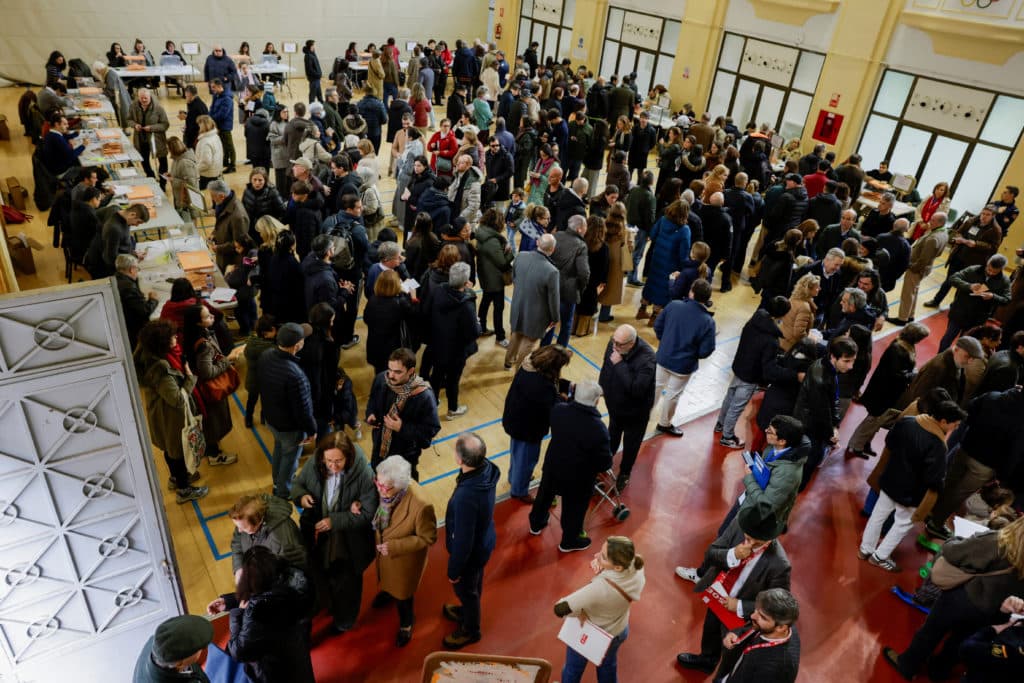
According to reports from PBS NewsHour, millions of Spanish citizens headed to polling stations on Sunday in a snap general election that serves as a high-stakes referendum on Prime Minister Pedro Sánchez. The ballot unfolds against a backdrop of severe cost-of-living pressures and soaring urban rents that have galvanized the electorate.
If conservative and far-right factions secure enough legislative backing, the vote could return a nationalist party to national executive power for the first time since the end of the Franco dictatorship in 1975. Approximately 39 million eligible voters faced a stark ideological choice as polls opened across the country on Sunday morning.
The Housing Shortage and the Snap Election Trigger
No single issue dominated the campaign quite like the crushing cost of residential property in major cities and coastal tourism hubs. Soaring rents have locked out younger generations, fueling widespread public anger.
The Eviction Catalyst
The breaking point arrived last month following the dramatic eviction of an 87-year-old woman from her Madrid apartment. The incident sparked nationwide housing protests that forced the government onto the defensive.
Parliamentary Deadlock
When right-wing lawmakers in parliament subsequently voted down legislative measures introduced by Sánchez to alleviate housing pressures, the prime minister gamble on an early national vote. Analysts note that this legislative defeat effectively collapsed his minority governing arrangement.
Assessing the Incumbent Record and Right-Wing Challengers
Sánchez has led Spain's Socialist party through eight years marked by consecutive crises, international diplomacy, and steady economic growth. Yet critics argue that macroeconomic gains have failed to shield ordinary families from inflation and housing scarcity.
The Conservative Campaign Platform
Alberto Núñez Feijóo, leader of the conservative Popular Party, has centered his campaign on administrative stability and economic competence. Feijóo has aggressively targeted Sánchez over infrastructure failures, including two fatal high-speed train crashes and a nationwide blackout in April 2025.
Feijóo also highlighted the administration's struggle to pass national budgets over a four-year span due to a fractured parliamentary base. Immigration policy emerged as another central friction point during the final weeks of campaigning.
I ask Spaniards not to vote with fear, but with memory. Today is a day when the Spanish people take the helm and will decide the future, the destiny, and the direction of Spain.
— Alberto Núñez Feijóo, Leader of the Popular Party
The conservative leader condemned a recent government legalization measure that granted legal status to nearly 1.2 million undocumented immigrants. Alongside the far-right Vox party, the PP argued that rapid migration strains public services and depletes available housing stock.
Coalition Arithmetic and European Implications
Opinion polls published prior to Sunday indicated that Sánchez's Socialist party lagged behind the combined projected totals of the Popular Party and Vox. Santiago Abascal, leader of Vox, campaigned heavily on an aggressive immigration crackdown.
The Kingmaker Scenario
If Feijóo captures the plurality of seats, he will likely need to negotiate a formal coalition or confidence arrangement with Vox to clear the 127-seat absolute majority threshold in parliament. Such an alliance would shatter a decades-long cordon sanitaire against the far right in Madrid.
Continental Watchers
The outcome carries immediate resonance across the European Union ahead of a crowded electoral calendar in 2027. Neighboring governments in France, Italy, and Germany are monitoring whether Spanish voters pivot toward nationalist alternatives.
Participation rates surged past previous benchmarks by late Sunday afternoon, indicating deep engagement across urban precincts and rural provinces alike. Official tallies are expected within hours of polls closing, but formal government formation talks will test the fragile arithmetic of Spain's fragmented legislature next month.
The Morning Brief
One email a day with the stories that matter. Free, forever.
No spam. Unsubscribe anytime.
Comments (0)
Be the first to share your thoughts.