
Unpacking the 2026 F1 Qatar Grand Prix Starting Grid and Qualifying Realities
Motorsport.com reports on the 2026 F1 Qatar Grand Prix starting grid, revealing how track evolution and tire wear challenge pre-race assumptions.
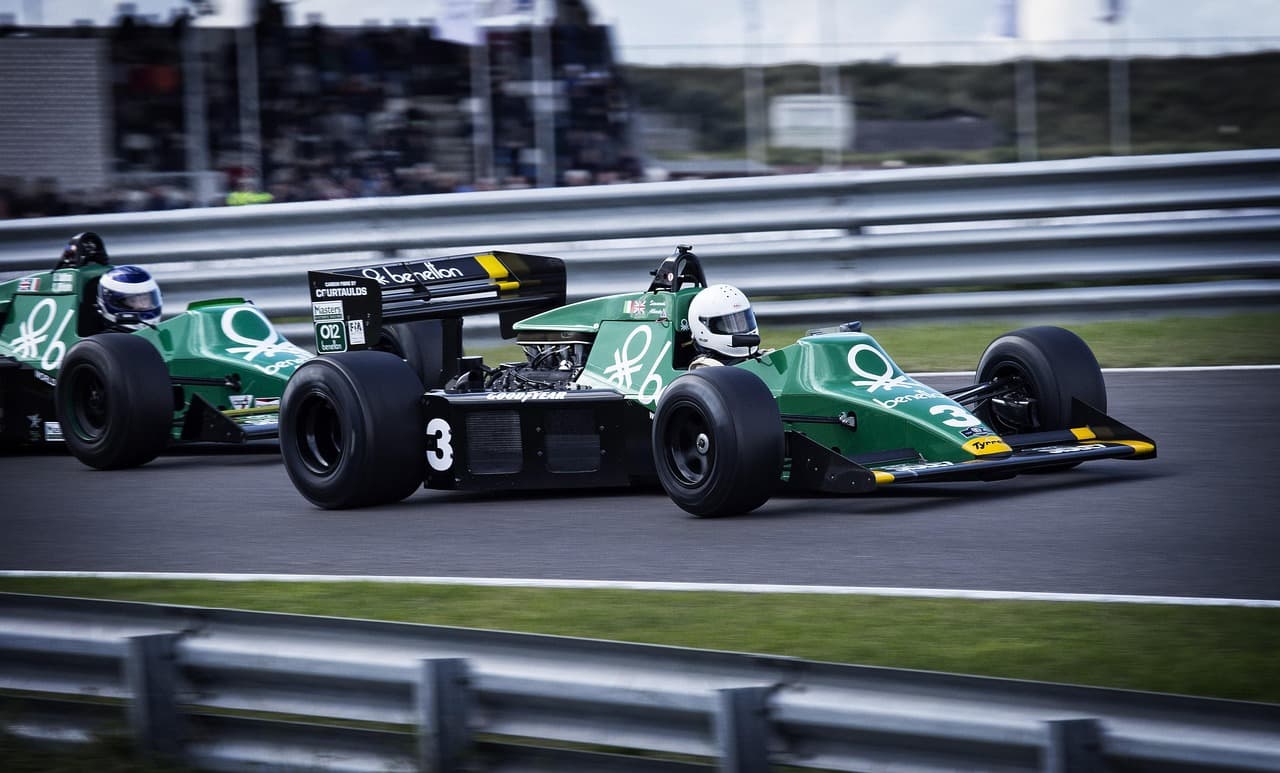
According to reports from Motorsport.com, the starting grid formations for the 2026 Formula 1 Qatar Grand Prix have set off intense paddock chatter regarding car pace and aerodynamic updates. Fans and analysts often assume that pre-season testing metrics dictate qualifying order with mathematical precision once the lights go out.
The verified reality of Lusail International Circuit reveals a much tighter delta where track evolution and tire degradation rewrite the expected hierarchy.
Formula One weekends operate on margins measured in thousandths of a second, making small setup miscalculations punishingly expensive. When teams roll out fresh power units and revised floor geometries, the paddock immediately splits into optimistic projections and conservative telemetry checks. We track these shifts across the sports landscape as engineers balance top speed against high-speed cornering load.
Assuming Dominant Pace Versus Managing Lusail Thermal Degradation
Conventional paddock wisdom suggests that teams securing strong pole positions in early-season simulator runs will easily translate that speed into grand prix victories. However, the abrasive asphalt profile of the Losail circuit disrupts standard simulation models. Engineers face severe thermal friction that degrades soft compounds far faster than wind-tunnel projections indicate.
Telemetry Discrepancies in High-Speed Apexes
Car setups optimized for flat-out straight-line speed frequently struggle to maintain stability through the sweeping medium-speed turns that dominate the second sector. Drivers report snap oversteer the moment rear tire temperatures cross the critical degradation threshold. This technical friction forces race strategists to pivot from pure qualifying glory to conservative race pace management.
Data streams from Friday practice sessions rarely match Sunday race conditions under the desert night sky. Teams that fail to adjust their aerodynamic balance see their rear tires blister within 15 laps of race distance. Drivers must adapt their driving lines to protect the rubber, sacrificing apex speed to keep rear axle temperatures below 110 degrees Celsius.
The Hidden Cost of Setup Compromises
Chasing an ideal one-lap qualifying time forces mechanics to run lower ride heights, which invites excessive plank wear over the circuit's aggressive kerbs. When scrutineers check post-session floor legality, teams running aggressive setups risk immediate disqualification. Consequently, several mid-field squads deliberately surrender Saturday glory to protect their tire wear profiles for Sunday afternoon.
Ballast placement also dictates how cars handle shifting fuel loads during the 57-lap distance. Heavy fuel loads at race start amplify front-end locking under heavy braking zones like Turn 1. Mechanics spend hours adjusting heave springs and damper settings to prevent destructive bouncing through the high-speed complex.
Translating Qualifying Speed Into Grand Prix Strategy
Starting near the front row provides clean air and uninhibited cooling for vital power unit components, but it also paints a target on the race leader. Following cars in dirty air suffer immediate aerodynamic understeer, cooking their front tires within three laps of a chasing battle. Tactical race engineers know that defending position along the main straight requires precise battery deployment and clever DRS management.
Pit Lane Execution and Undercut Pressures
Pit stop delta times at Lusail dictate that a well-timed undercut can gain up to two seconds on an unsuspecting rival. Mechanics must execute flawless stationary times under immense pressure while tire blankets click down to ambient temperatures. A single sticky wheel nut transforms a podium contender into a traffic-bound also-ran.
Gantry cameras and automated jack signals dictate split-second reactions on the pit wall. Strategists watch GPS tracking dots converge on their monitors, calling cars in with zero margin for error. If traffic emerges from the exit road at an inopportune moment, the strategic advantage vanishes instantly.
Managing Powertrain Limits Under Desert Heat
Ambient temperatures in Qatar push internal combustion engines and hybrid energy recovery systems to their absolute thermal ceilings. Drivers must constantly lift and coast down the long straights to manage fuel flow limits and battery temperatures. These mandatory compromises mean that the fastest car on a single flying lap rarely finishes the race without mechanical management.
MGU-K and MGU-H units generate extreme heat soak when running behind other cars in slow corners. Telemetry engineers issue constant dashboard warnings, telling drivers to alter brake bias and switch engine modes on the fly. Missing a cooling toggle can trigger protective limp modes within seconds.
What Changes Once the Starting Grid Locks In
Observers looking at the final timesheet often miss the subtle tire compound choices made by teams lingering outside the top ten. Free tire choice for cars starting outside the Q3 shootout unlocks alternative strategy windows that can outflank the front-row starters. As the race gets underway under the floodlights, these tactical divergences dictate who actually claims the checkered flag.
Alternative Strategy Windows for Midfield Runners
Starting on hard compound tires allows lower-ranked teams to run long first stints while the front-runners pit early for medium rubber. When safety cars bunch up the field, these alternative strategies suddenly leap into contention for points finishes. Pit wall strategists run dozens of Monte Carlo simulations per minute to catch every window of opportunity.
Grid Penalties and Rear-End Traffic Dynamics
Power unit component changes often force front-running teams to take grid penalties, altering the expected race rhythm entirely. Cutting through a congested midfield requires aggressive overtaking moves that risk front wing damage against rival endplates. Drivers forced into recovery drives must balance raw aggression with the harsh reality of tire life limits.
Track limits policing via automated loop sensors adds another layer of tension for drivers fighting for position. Exceeding white lines three times triggers a black and white warning flag, followed swiftly by time penalties. Teams monitor track limit logs in real time, radioing immediate corrections to drivers defending against DRS trains on the main straight.
The Morning Brief
One email a day with the stories that matter. Free, forever.
No spam. Unsubscribe anytime.
Comments (0)
Be the first to share your thoughts.