
UK Pensions Department Takes Services Offline Following Cyberattack Incident
Britain's Department for Work and Pensions took online services offline following a cyberattack, though officials confirmed pension and benefit payments continue.
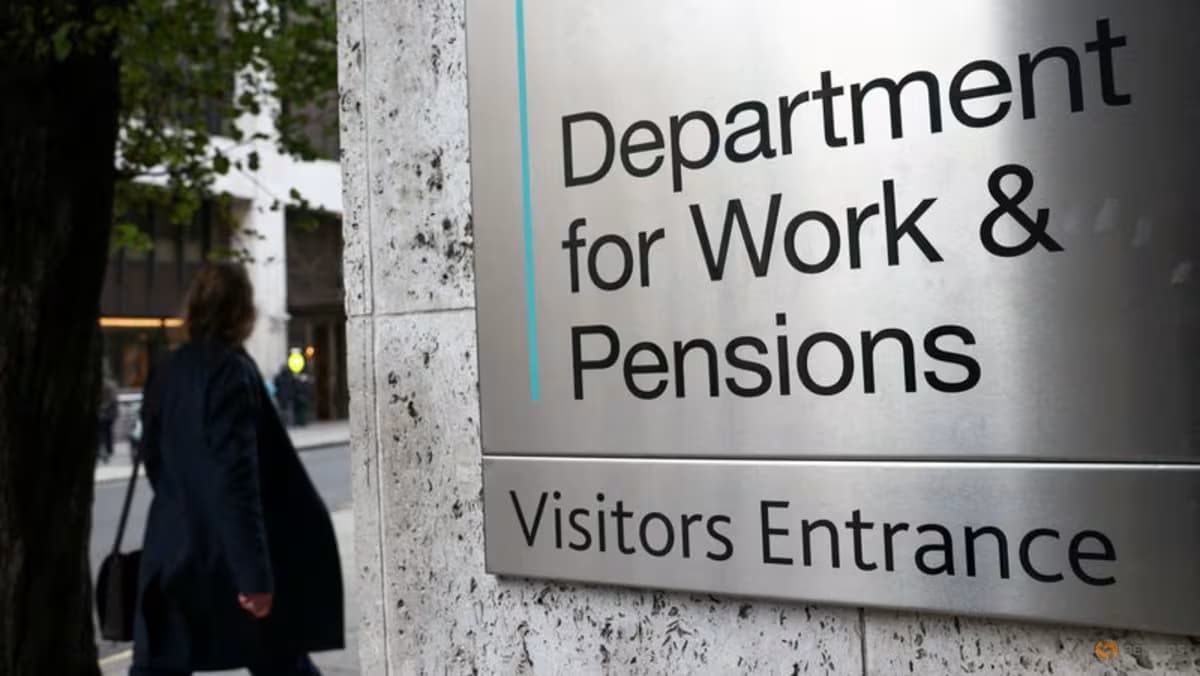
According to Channel NewsAsia and Reuters reporting, Britain's Department for Work and Pensions confirmed on Saturday that it was targeted in a cyberattack. The ministry, which administers state pensions and welfare payments to millions of citizens, was forced to take several online services offline to contain the breach.
Citizens often assume that a government ministry hit by a digital intrusion faces an immediate collapse of financial distributions. Measured reality reveals a different operational posture: critical disbursement systems are frequently isolated to protect core citizen funds while administrative portals go dark for emergency remediation.
How the Department Responded to the Intrusion
Government technicians scrambled as the incident unfolded in London, prioritizing the immediate isolation of compromised servers. The Department for Work and Pensions stated that its technical teams acted swiftly to lock down vulnerable gateways.
Protecting Pension and Benefit Disbursements
Officials rushed to reassure the public that scheduled payments would land in bank accounts without disruption. While digital portals remain dark, back-end payment processing rails continue to function under strict administrative oversight.
Collaborating With National Cyber Experts
The ministry isn't fighting the intrusion alone, pulling in elite technical units from across the British intelligence apparatus. Specialists from the National Cyber Security Centre and the Government Cyber Coordination Centre joined the emergency response.
Alongside the National Cyber Security Centre and Government Cyber Coordination Centre, we are working to understand the cause of an attempt to gain unauthorised access to our systems.
— Department for Work and Pensions Spokesperson
Emergency Communication with Claimants
Within hours, the DWP launched a dedicated helpline and posted updates on its official Twitter feed. The messages emphasized that existing pension checks would not be delayed, and that claimants could still receive paper statements.
For those who rely on online self-service, the department sent email alerts explaining alternative verification steps. The guidance urged users to avoid phishing emails that mimic official communications.
Image: channelnewsasia.comThe Wider Pattern of British Institutional Breaches
This incident lands on top of a punishing wave of digital attacks hitting prominent Security targets across the United Kingdom. Public bodies and commercial giants alike have struggled to keep hostile actors out of legacy networks.
Recent High-Profile Targets Across the UK
Institutions ranging from the British Library to Transport for London have suffered disruptive digital breaches over recent months. Blood-testing services, retail bellwether Marks & Spencer, and automotive manufacturer Jaguar Land Rover have also featured on the growing list of victims.
Impending Threats to Critical Infrastructure
Intelligence officials warned earlier this month that the nation must prepare for sophisticated automated attacks targeting vital sectors. The National Cyber Security Centre, operating under the GCHQ spy agency, highlighted the rising risk of artificial intelligence-driven network intrusions over the next two years.
Those warnings followed sprawling hacking campaigns against major supermarket chains across Europe that exposed deep structural vulnerabilities in supply chain IT. As technical specialists comb through system logs in London, ministry officials have yet to announce a firm timeline for restoring online citizen portals.
Lessons from the Supply Chain Breaches
Analysts point to the supermarket incidents as a warning sign for public services that rely on third-party vendors. Weak authentication on supplier portals gave attackers a foothold that later spread to internal databases.
In response, several ministries have begun mandating multi-factor authentication for all external contracts. The move aims to seal the weakest link before attackers can pivot from a vendor’s network to a government system.
Image: channelnewsasia.comPotential Impact on Public Trust and Future Policy
Every outage chips away at confidence that the state can safeguard personal finances. A poll conducted after the breach showed that 38 % of respondents feared a delay in their next pension payment.
Lawmakers have seized on the data to press for tighter cybersecurity budgets. A cross-party committee is drafting a bill that would require quarterly penetration testing for all departments handling citizen payments.
Critics argue that increased spending could divert resources from frontline services. The debate now hinges on whether the public will accept higher taxes in exchange for stronger digital defenses.
What Citizens Can Do Now
Individuals should verify the authenticity of any DWP email by checking the sender’s domain and looking for official branding. When in doubt, contact the helpline rather than clicking links.
Claimants are encouraged to download the DWP’s free mobile app, which offers offline access to payment schedules. The app stores encrypted data locally, reducing reliance on the compromised web portal.
Finally, keep personal banking details up to date through the secure phone line. Accurate records help ensure that any future technical hiccup does not translate into a missed payment.
The Morning Brief
One email a day with the stories that matter. Free, forever.
No spam. Unsubscribe anytime.
Comments (0)
Be the first to share your thoughts.