
Ghana Football Association President Kurt Okraku Confirms 2027 U-20 AFCON Hosting Rights Are Secure
GFA president Kurt Okraku has firmly dismissed rumors that Ghana has lost its hosting rights for the 2027 U-20 Africa Cup of Nations.
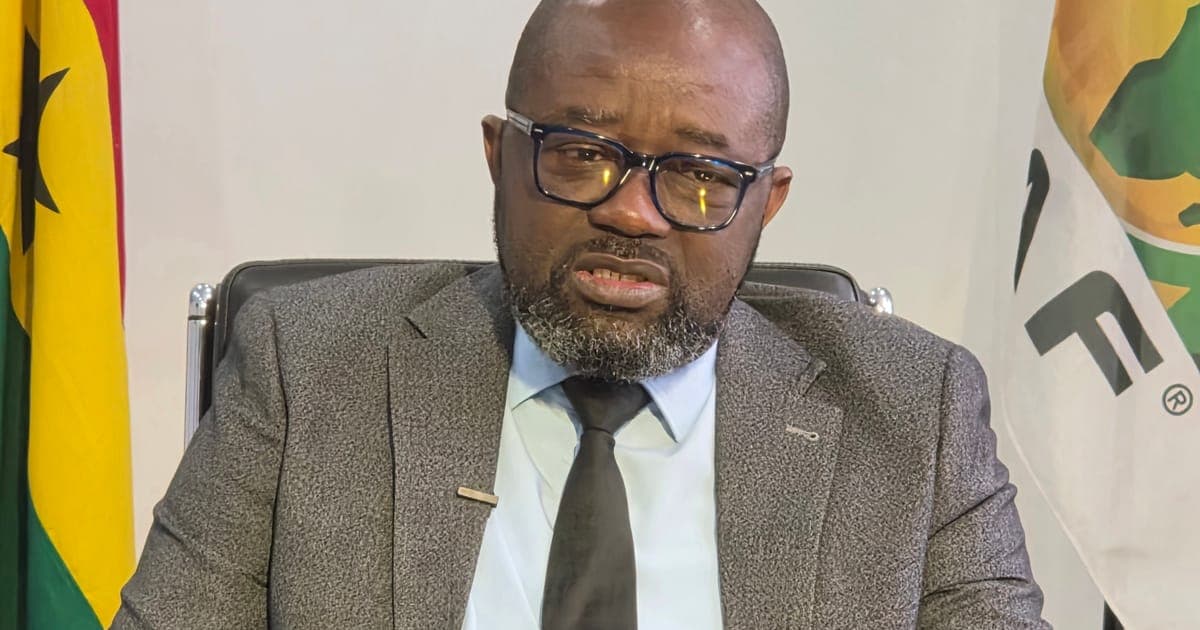
Tournament Status and Official Reassurance
According to 3news.com reporting, Ghana Football Association president Kurt Okraku has firmly dismissed swirling speculation that the nation has lost its hosting privileges for the upcoming continental tournament. Rumors of a looming venue revocation had rattled regional sports forums throughout late autumn as deadlines approached without visible progress. Critics pointed to delayed procurement cycles as proof that organizers couldn't pull off the event on short notice.
Speaking directly to the GFA's official website on Friday, Okraku sought to quell mounting public skepticism over logistical hurdles. He argued that the federation maintains complete control over the operational roadmap agreed upon with international partners. His public defense aimed to halt the circulation of unverified reports suggesting neighboring nations were actively lobbying to take over.
His assurances come at a critical juncture for domestic sports administration, which has faced intense scrutiny regarding infrastructure timelines. Local media outlets questioned whether the sports ministry could disburse funds quickly enough to fix crumbling stadiums before inspection teams arrive. Rumors regarding potential contingency hosts had gained traction across regional media networks earlier in the autumn.
I want to assure Ghanaians that Ghana will host the U-20 AFCON as already announced.
— Kurt Okraku, President of the Ghana Football Association
Timeline and National Milestones
Awarded to West Africa's prominent football hub in April 2026, the under-20 championship is slated for a March 2027 kickoff window. This tight 11-month preparation window leaves zero room for bureaucratic stalling or contractor delays. Event organizers face a steep climb to ensure every pitch meets strict broadcast and safety standards.
This scheduling places the athletic showcase directly alongside national celebrations marking the country's 70th Independence anniversary. State officials plan to merge cultural festivities with matchday events to maximize tourism revenue and local engagement. Public relations teams hope the dual milestones will mask any lingering administrative friction.
State planners intend to leverage the fixture to secure much-needed capital upgrades for aging athletic facilities. Decades of deferred maintenance left municipal stadiums struggling to pass basic safety audits. Funding provisions for these essential stadium overhauls were formally written into the federal fiscal framework under the 2027 Budget.
Infrastructure Readiness Realities and Venue Logistics
Despite official optimism, underlying logistical friction points prompted widespread questions regarding infrastructural preparedness over the summer months. Engineers flagged structural cracks and outdated electrical grids at two of the primary proposed match venues. These technical bottlenecks forced the federation to hold emergency closed-door sessions with construction contractors.
The National Sports Authority publicly acknowledged in August that no domestic stadium currently met all regulatory criteria required to stage the tournament. That blunt admission stunned fans who expected arenas to be match-ready well in advance of the whistle. Local taxpayers demanded immediate transparency regarding how state funds were allocated for stadium maintenance.
Such admissions triggered immediate speculation that Confederation of African Football officials might pivot toward alternative hosts such as Morocco or Egypt. Those nations boast turnkey facilities that require zero capital investment to host major continental fixtures. Yet federation leaders maintain that remedial engineering works will meet all governing body deadlines.
Regulatory Audits and Inspection Pressure
CAF delegates plan an unannounced site visit to inspect ongoing civil works across all designated match venues. Federation insiders know that a failed inspection report will trigger an immediate revocation of hosting rights. Contractors work double shifts to ensure grandstands and locker rooms pass muster before inspectors land.
Stadium lighting upgrades represent another major hurdle for local engineers tasked with meeting international broadcast specifications. Power fluctuations across the municipal grid require backup diesel generators capable of sustaining floodlights during live broadcasts. Procurement officers are rushing to import specialized transformers from European suppliers before the end of the quarter.
Squad Preparation and Technical Staffing
Technical preparations for the host nation's junior squad are accelerating on multiple fronts simultaneously. Players understand that making the final cut requires peak physical conditioning and tactical discipline. Head coach Maxwell Konadu has formally summoned a 28-man provisional squad to commence intensive training camps at the Prampram facility.
Recent additions to the backroom staff bring vital international experience to the technical bench. These coaches spend hours reviewing tactical footage of regional opponents to spot defensive vulnerabilities. Former national team defender John Paintsil has officially joined the Black Satellites as an assistant coach to bolster player development.
Young prospects undergo rigorous daily drills designed to sharpen their defensive positioning and transition speed. Squad members live under strict camp rules to minimize distractions ahead of their opening group fixture. Team psychologists also work with players to manage the immense pressure of representing the host nation.
Image: 3news.comThis tournament is a big opportunity for our young players and for the country.
— Kurt Okraku, President of the Ghana Football Association
Continental Governance and Leadership Ambitions
Beyond tournament administration, Okraku's broader administrative standing within continental football circles continues to generate significant discussion. Regional power brokers watch his every move to gauge his influence inside the halls of African soccer governance. Serving currently as the second vice-president of the Confederation of African Football, his institutional influence has steadily expanded.
Recent public endorsements from regional leaders, including the head of the Zimbabwe Football Association, have explicitly positioned him as a viable future candidate for the continental presidency. Supporters praise his aggressive lobbying style and his commitment to developing grassroots infrastructure across West Africa. Critics, however, argue that his domestic challenges could undermine his broader political aspirations.
Successful execution of the upcoming youth tournament remains a vital proving ground for his administrative vision. A smooth event silences domestic detractors and validates his credentials on the international stage. Any major operational failure, by contrast, would hand ammunition to his political rivals across the continent.
Operational Execution and Delivery Stakes
The immediate operational window requires rapid procurement and structural execution to satisfy strict oversight panels. Supply chain bottlenecks threaten to delay the delivery of specialized turf maintenance equipment from overseas. Federation executives insist that ongoing preparatory meetings with state ministries will keep renovation schedules on track.
Security planners also finalize crowd-control protocols to handle expected sellout crowds at every group-stage venue. Local police forces coordinate with private security firms to establish perimeter controls and VIP transport corridors. Every logistical detail undergoes intense scrutiny to prevent crowd bottlenecks on match days.
For local fans and federation officials alike, the tournament represents a rare convergence of sporting ambition and national pride. Supporters want to see the national youth team lift the trophy on home soil. The coming months will test whether logistical rehabilitation can match political commitment ahead of the March 2027 deadline.
The Morning Brief
One email a day with the stories that matter. Free, forever.
No spam. Unsubscribe anytime.
Comments (0)
Be the first to share your thoughts.