
Eight Foreign Ministers Push Palestinian Authority Toward 2027 Election Timeline
Foreign ministers from eight countries have urged the Palestinian Authority to hold legislative and presidential elections by early 2027, challenging recent postponement decisions.
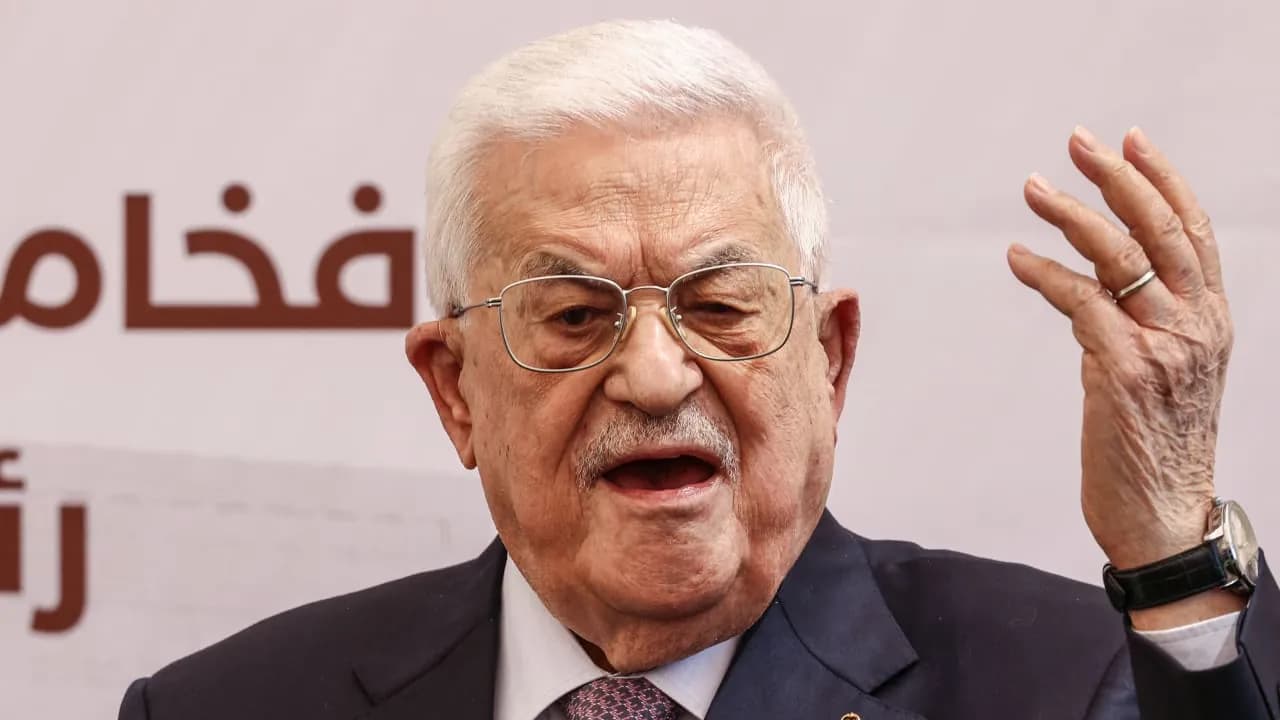
Diplomatic Pressure Mounts Over Delayed Palestinian Elections
According to Reuters and international reporting by outlets including the Jerusalem Post, foreign ministers from eight nations have issued a joint call urging the Palestinian Authority to hold presidential and legislative votes by the first quarter of 2027. This diplomatic intervention follows a series of postponed ballots that have left the Palestinian leadership without a national mandate for roughly 2 decades.
The push brings renewed attention to the stability of regional governance and the broader World News landscape. Without renewed democratic legitimacy, international partners argue that domestic administrative reforms remain stalled.
Foreign ministries from eight distinct capitals coordinated this memorandum to break a political logjam that has persisted since the mid-2000s. Western donors and regional diplomats now view institutional renewal as an urgent requirement rather than a secondary diplomatic talking point. Aid disbursements and administrative partnerships depend heavily on how Ramallah responds to these external benchmarks.
Australia, France and Six Partners Sign Joint Demands
The joint statement, published by the French foreign ministry, represents a coordinated diplomatic stance across multiple continents. Australia, Belgium, Canada, France, Luxembourg, Norway, Poland, and the United Kingdom signed the memorandum. These governments expressed explicit regret over Palestinian President Mahmoud Abbas delaying votes previously scheduled for late 2025 and early 2027.
Each signatory government contributes substantial financial aid or institutional support to Palestinian civil society projects. By aligning their diplomatic messaging, these eight states hope to amplify their collective leverage over administrative planning inside the West Bank. They argue that a missing legislative branch prevents effective oversight of public funds and institutional appointments.
Abbas Points to Security Realities in Gaza and the West Bank
President Abbas previously moved legislative votes from November 28 to September 11, 2027, citing severe Israeli security measures and ongoing conflict conditions in Gaza. Regional security agencies face profound logistical hurdles that make safe, transparent voting practically impossible under current combat zones.
Ramallah officials frequently point out that any credible election requires unrestricted campaign movement and physical access to all voting districts. Ongoing military operations and severe movement restrictions across the West Bank complicate ballot distribution significantly. Without a stable security architecture, organizing nationwide polling stations risks descending into chaos or administrative failure.
Who Gains Leverage and Who Loses Ground in the Dispute
Diplomatic leverage currently tilts toward the coalition of eight foreign ministries tying future international recognition and aid coordination to verifiable democratic benchmarks. For international actors advocating statehood, holding elections serves as a core test of administrative readiness.
Power dynamics inside the Palestinian territories remain deeply fractured between rival factions and aging leadership circles. External actors want to see a revitalized representative body that can negotiate credibly on the international stage. Meanwhile, domestic critics accuse the current administration of using external threats to shield itself from internal accountability.
International Coalitions Push for Democratic Renewal
European Union foreign policy chief Kaja Kallas voiced similar frustrations last month, noting that democratic renewal across occupied Palestinian territories is long overdue. By keeping a fixed target on the horizon, these states aim to prevent indefinite postponements from becoming permanent governance paralysis.
Western capitals view functioning democratic institutions as the single best antidote to widespread political apathy among younger generations. Millions of Palestinians have reached voting age since the last national ballots took place in 2005 and 2006. Integrating these new voters into a formal political process remains a central demand of the European coalition.
The Palestinian Leadership Faces Domestic and External Squeeze
Conversely, the current Ramallah-based administration absorbs heavy pressure from both external allies and an electorate that hasn't cast a national ballot since 2005 and 2006. Abbas had previously committed in writing to French President Emmanuel Macron and Saudi Crown Prince Mohammed bin Salman to execute both votes as part of diplomatic agreements. Failing to deliver on these timelines risks straining critical European and Gulf financial support.
President Abbas finds himself trapped between Western demands for immediate elections and the stark physical realities of governing a divided territory. Pushing forward without adequate security guarantees could trigger catastrophic internal security failures. Yet defying international partners risks cutting off the financial lifelines that keep municipal services and public sector payrolls operational.
Upcoming Milestones and Constraints on the Path to 2027
The calendar leading up to early 2027 leaves very little margin for administrative error. Organizing nationwide polls requires months of voter registration, independent judicial oversight, and secure ballot distribution across fragmented territories.
Electoral commissions require a minimum of six months of uninterrupted preparation to print ballots, train local poll workers, and establish oversight panels. Securing independent international observers adds another layer of diplomatic negotiation and physical coordination. Every month of delay pushes the actual voting date closer to the newly announced September fallback timeline.
Security Hurdles and Territorial Disconnections
Physical separation between the West Bank and Gaza creates severe operational bottlenecks for any unified electoral commission. Security conditions on the ground dictate whether international observers can safely monitor polling stations without interference.
Even if an agreement were reached today, coordinating logistics across checkpoints and blockades demands immense administrative stamina. Hamas controls the Gaza Strip while the Palestinian Authority administers parts of the West Bank under strict Israeli military oversight. Bridging this territorial divide for a synchronized ballot requires an unprecedented level of political cooperation.
Written Commitments Meet Hard Realities
The September 2027 fallback date set by Abbas currently clashes directly with the first-quarter deadline demanded by the eight foreign ministers. Resolving this schedule gap will test whether bilateral pressure can alter Ramallah's domestic calculations before regional crises displace the issue entirely.
Diplomatic channels between European capitals and Ramallah remain active as both sides negotiate acceptable milestones for the upcoming months. Whether these foreign ministries can force a timeline shift depends entirely on upcoming aid disbursements and bilateral meetings scheduled for later this year.
The Morning Brief
One email a day with the stories that matter. Free, forever.
No spam. Unsubscribe anytime.
Comments (0)
Be the first to share your thoughts.