
United Fidelity Bank Seizure Marks Biggest U.S. Banking Collapse Since 2024
Federal regulators seized United Fidelity Bank in the largest U.S. bank failure since 2024. First Citizens Bank will assume all deposits and assets.
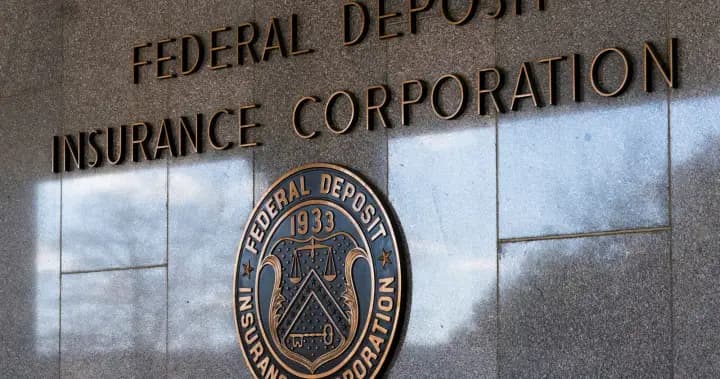
According to Global News, federal regulators seized and shut down Evansville, Indiana-based United Fidelity Bank on Friday, marking the largest U.S. banking collapse by assets in more than two years. The intervention unfolded after regulators determined the regional lender could no longer meet depositors demands.
The Federal Deposit Insurance Corporation stepped in immediately to protect consumer balances across a multi-state footprint. This sudden failure forces a hard look at asset management, regional banking vulnerabilities, and the broader health of Economy & Markets as borrowing costs bite.
Assets, Footprint, and the Immediate Takeover by First Citizens
United Fidelity operated across four distinct states and the U.S. Virgin Islands with a total of 22 branches. As of September, the institution held approximately $5.9 billion in total assets alongside $5.4 billion in total deposits.
Branch Conversions Across Four States
The FDIC announced that Raleigh, North Carolina-based First Citizens Bank agreed to assume all deposits and assets of the failed institution. Depositors won't lose access to their money during the transition.
Seamless Weekend Reboot for Customers
All 22 shuttered locations across Indiana, Illinois, Florida, Colorado, and the Virgin Islands are scheduled to reopen as First Citizens branches by Monday morning. Customer accounts will transfer automatically, minimizing disruption for retail and commercial depositors.
Regulatory Findings and the Cost to the Insurance Fund
Federal oversight bodies moved decisively once internal metrics crossed statutory risk thresholds. The Office of the Comptroller of the Currency issued a blunt assessment of the institution's balance sheet right before the seizure.
unsafe or unsound condition to transact business.
— The Office of the Comptroller of the Currency, U.S. Treasury
That determination triggered the emergency closure and the subsequent auction handled by federal receivers. The financial toll of resolving the collapse falls squarely on the industry-backed reserve pool managed by regulators.
Weighing the Impact on the Deposit Insurance Fund
The FDIC estimates that the failure of United Fidelity will cost its Deposit Insurance Fund roughly $1.83 billion. This fund relies on assessments levied against active banks rather than taxpayer dollars to backstop insured consumer accounts.
Image: globalnews.caWinners, Losers, and Regional Banking Inflection Points
Every bank failure redraws competitive lines within regional financial ecosystems. First Citizens gains scale and geographic expansion without having to build branches from scratch.
Who Gains Leverage in the Deal
Acquiring institutions like First Citizens solidify their footprint in fast-growing southern and western markets. They absorb established customer relationships at a discount negotiated under FDIC supervision.
Who Loses Ground
Regional lenders with heavy commercial real estate exposure or concentrated deposit bases face tighter scrutiny from investors. Borrowers tied to the failed bank may experience tighter credit terms as First Citizens reviews risk tolerances.
Upcoming Milestones and Regulatory Watchpoints
Federal regulators will spend the coming weeks auditing asset recovery values to reconcile the $1.83 billion hit to the insurance fund. Market watchers will track quarterly call reports to spot early warning signs at other regional institutions.
The transition of 22 branches over a single weekend tests the operational capacity of First Citizens' integration teams. Monday's branch openings will provide the first real test of consumer confidence.
The Morning Brief
One email a day with the stories that matter. Free, forever.
No spam. Unsubscribe anytime.
Comments (0)
Be the first to share your thoughts.