
Zanetor Agyeman-Rawlings Warns Traditional and Religious Leaders Against Interceding for Illegal Miners
Environment Minister Dr. Zanetor Agyeman-Rawlings calls on traditional, religious, and political leaders to stop pleading for arrested illegal miners.
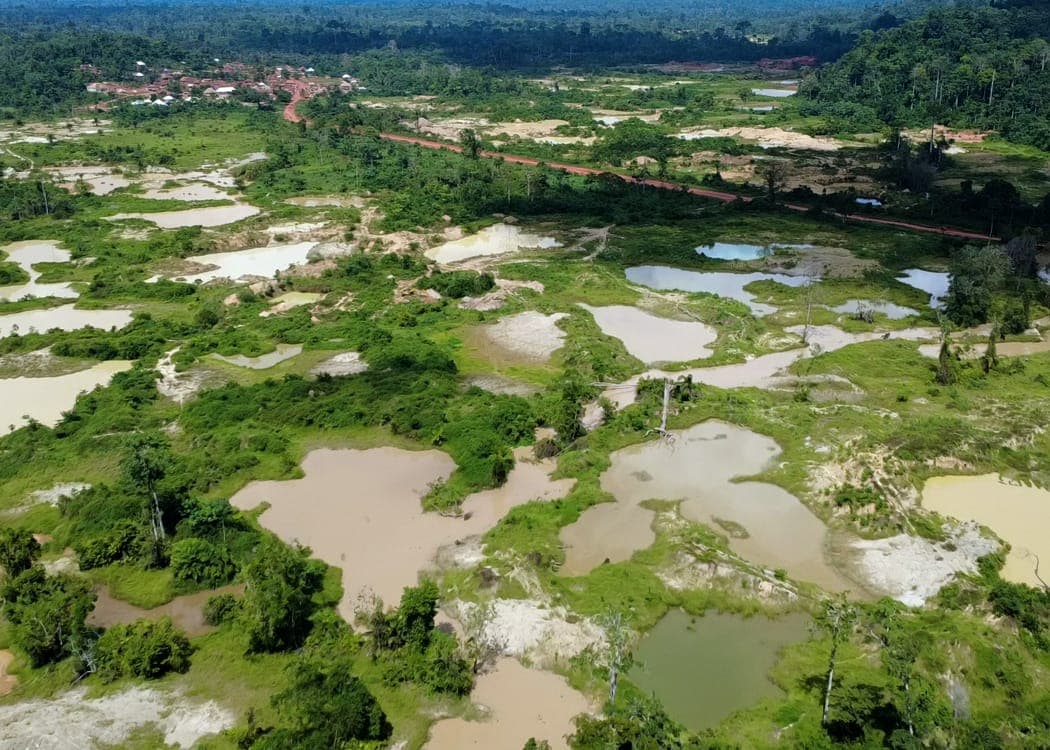
Challenging the Consensus on Environmental Enforcement Impunity
According to reports from adomonline.com and myjoyonline.com, conventional wisdom holds that state institutions alone bear the burden of halting ecological collapse across vulnerable basins. Dr. Zanetor Agyeman-Rawlings, Minister for Environment, Science and Technology, turns that argument entirely on its head. She argues that the real barrier to river restoration isn't a lack of enforcement capacity, but a deeply embedded culture of elite protectionism.
When local elders, clerics, and politicians step into police stations to demand the release of detained excavators, they break the legal chain of accountability. These midnight interventions short-circuit investigations before files ever reach district courts. Prosecutors find themselves isolated when community power brokers close ranks around repeat offenders.
This dynamic exposes a profound governance failure within many Africa administrative districts. While citizens demand clean drinking water, informal networks routinely subvert due process for political patronage or community loyalty. The resulting gridlock transforms straightforward environmental crimes into protracted political negotiations. This friction forces enforcement agencies into an impossible defensive crouch where laws apply only to those without influential patrons.
The Operational Mechanics of Patronage Interventions
Understanding why illegal mining persists requires examining how local interventions directly paralyze operational policing on the ground. When law enforcement officers seize heavy machinery at remote riverbanks, local kingpins immediately activate informal bail networks. These networks bypass formal judicial proceedings through high-level phone calls, community pressure, and direct lobbying of district officials. The process starves prosecutors of the leverage needed to secure deterrent convictions.
Metropolitan Assemblies and District Security Failures
Metropolitan, Municipal and District Assemblies hold statutory duties as committees under the National Security Council, yet many local councils treat environmental protection as a secondary chore. Local executives often prioritize short-term political harmony over long-term watershed survival. When municipal leaders fold under pressure from influential community figures, they actively degrade the very institutional safeguards they were sworn to uphold.
District security committees frequently sit on actionable intelligence for weeks while political actors debate the fallout of a potential raid. Local police commanders report receiving direct phone calls from regional power brokers demanding the return of seized fuel barrels and dredgers. This systemic interference paralyzes field officers who know career advancement depends on pleasing political masters rather than stopping environmental crimes.
The Economic Logic of Impunity and Resource Degradation
Illegal mining operations generate immense short-term cash flows that easily fund protective political alliances across rural constituencies. Local actors barter community silence for small infrastructure contributions or direct cash payouts, leaving downstream populations to shoulder the health burden of heavy metal toxicity. This localized financial incentive structure completely overrides abstract warnings about national ecological decline.
Water treatment plants along major river basins face skyrocketing chemical costs to neutralize high turbidity and mercury levels caused by upstream dredging. Municipal utilities pass these expenses down to ratepayers, forcing impoverished families to pay extra for water that was once free. Meanwhile, the illicit syndicates pocket untaxed profits and reinvest their capital in real estate rather than local restoration projects.
When those who are engaged in this criminal activity of poisoning our water bodies and our land are apprehended, are arrested, please don't go and beg for them. They are killing you, they are killing us.
— Dr. Zanetor Agyeman-Rawlings, Minister for Environment, Science and Technology
Confronting the Reality of Environmental Terrorism
Dr. Agyeman-Rawlings launched the National Water Restoration and Rehabilitation Framework in Ho on Thursday, November 26, pushing for a radical reclassification of these ecological offenses. By labeling the deliberate poisoning of public water sources as criminal terrorism, the ministry seeks to strip these violations of any romanticized notions of survivalist local enterprise. Treating toxic river dredging as ordinary misdemeanor trespassing has historically invited endless judicial leniency.
The updated legal classification changes bail conditions, removes judicial discretion for repeat offenders, and mandates immediate asset forfeiture upon conviction. Task forces can now seize land titles and bank accounts linked to syndicate financiers who never touch a shovel themselves. This shift targets the top tier of illicit operations rather than low-level laborers who absorb the physical risks.
Traditional Authority and Dual-Track Legal Realities
The ministry's hardline stance forces local leadership groups into an uncomfortable public reckoning. Traditional authorities can no longer pose as stewards of the land while quietly securing bail for the very syndicates poisoning local streams. This accountability push directly challenges the dual-track legal reality where impoverished offenders face immediate prosecution while connected operators walk free.
Paramount chiefs and stool lands administrators face mounting scrutiny over land leases granted to opaque mining LLCs without environmental impact assessments. Citizens increasingly demand transparency regarding royalties paid to traditional councils by foreign-backed syndicates operating heavy machinery in forest reserves. This grassroots pushback forces traditional leaders to choose between preserving ancestral patronage networks and protecting community water supplies.
Institutional Reform and Inter-Agency Friction
Enforcing the new framework requires seamless coordination between the forestry commission, water resources commission, and national security operatives. Historic turf wars and institutional corruption have long allowed illegal miners to exploit blind spots between overlapping ministerial jurisdictions. Anti-corruption investigators now monitor district police logs to catch officials who accept bribes to lose evidentiary dockets.
Specialized environmental courts are slated to handle fast-track trials to clear backlogs that previously allowed accused miners to stall cases for years. Judges presiding over these dockets receive specialized training to evaluate ecological damage metrics alongside financial audit trails. This targeted judicial focus aims to close loopholes that lawyers use to secure lenient fines instead of mandatory prison sentences.
We cannot continue to point fingers at government for not doing its part if we keep intervening, whether as traditional leaders or religious leaders or elders or whoever, or politicians, whatever the case may be.
— Dr. Zanetor Agyeman-Rawlings, Minister for Environment, Science and Technology
The effectiveness of the newly introduced framework now rests entirely on whether district assemblies and traditional councils honor this public ultimatum. If local elites persist in trading ecological safety for patronage, regulatory declarations will remain toothless paperwork. The choice facing community leaders is stark: continue shielding local polluters or allow the courts to enforce the absolute preservation of public water resources.
The Morning Brief
One email a day with the stories that matter. Free, forever.
No spam. Unsubscribe anytime.
Comments (0)
Be the first to share your thoughts.