
Ghana Sets January 2027 Ban on Open Rubbish Burning in Major Pollution Crackdown
Ghanaian authorities have announced a nationwide ban on open rubbish burning starting January 2027 as part of a sweeping pollution control agenda.
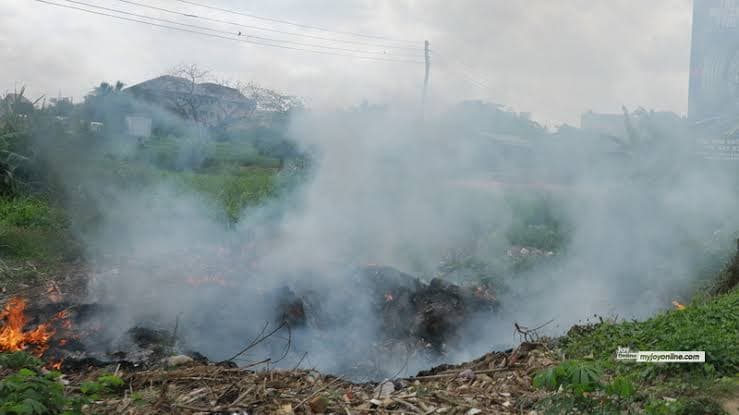
According to reporting from MyJoyOnline and AdomOnline, the Ghanaian government has announced a nationwide prohibition on the open burning of rubbish starting in January 2027. The policy forms the centerpiece of a broader regulatory push to curb ecological degradation and enforce stricter pollution controls across urban and rural communities.
Dr. Zanetor Agyeman-Rawlings, the Minister for Environment, Science and Technology, unveiled the upcoming ban during the launch of the National Water Restoration and Rehabilitation Framework in Ho on Thursday, November 26. Environmental authorities intend to shift the country's waste management practices away from informal backyard incineration toward structured municipal disposal systems.
The 2027 Regulatory Roadmap for Environmental Protection
The impending combustion ban is not an isolated decree. It serves as the opening salvo in a coordinated legislative strategy spearheaded by the Ministry and the Environmental Protection Authority (EPA) to overhaul the nation's environmental safeguards.
Four Pillars of the 2027 Pollution Strategy
Government officials have outlined four distinct regulatory pillars to govern environmental oversight throughout the upcoming fiscal cycle. Alongside the open burning prohibition, the agenda targets nationwide river and land restoration projects to rehabilitate degraded ecosystems.
Furthermore, authorities are finalizing comprehensive air quality regulations alongside a planned commercial ban on styrofoam products. Together, these initiatives define what the Ministry has formally designated as the Year of Pollution Control.
Logistical Realities Facing Municipal Authorities
Transitioning millions of households away from backyard burning requires massive capital investment in municipal collection fleets. Many neighborhoods outside major metropolitan cores lack reliable weekly truck pickups, forcing residents to manage refuse independently. Local assemblies must expand transfer stations and contract private haulers before the January deadline to prevent illegal dumping in vacant lots and drainage ditches.
Financing these operational upgrades remains a persistent bottleneck for cash-strapped local governments. Officials are currently reviewing public-private partnership models to fund new sorting facilities and recycling plants across secondary cities. Without guaranteed pickup schedules, residents will struggle to comply with the statutory prohibition on domestic fires.
Enforcement Timelines and Citizen Compliance Pressures
Municipal authorities face significant hurdles in shifting entrenched household habits before the statutory deadline arrives. Backyard waste disposal has long served as a default coping mechanism for communities lacking consistent municipal refuse collection.
Direct Warnings Issued to Backyard Incinerators
During her address in Ho, the sector minister directed explicit warnings at citizens who rely on domestic barrel fires and open pits to dispose of household refuse. The administration aims to secure voluntary compliance well before enforcement teams begin issuing citations.
So those of you who still burn rubbish in your backyards, please take note. Come January, this will not be allowed. So please stop doing it now.
— Dr. Zanetor Agyeman-Rawlings, Minister for Environment, Science and Technology
Residents now have a finite transition window to alter domestic waste routines. Local authorities are expected to ramp up public awareness campaigns to clarify alternative disposal pathways before the 2027 enforcement mechanism takes legal effect.
Penalties and Neighborhood Monitoring Networks
Environmental protection inspectors plan to deploy mobile enforcement units to monitor residential neighborhoods for smoke and noxious fumes. Violators caught ignoring the ban face escalating fines and potential court summonses under newly empowered municipal ordinances. Community watch groups and local sanitation committees will assist inspectors by reporting persistent offenders in their districts.
Public health advocates argue that strict penalties must be paired with accessible drop-off sites for organic and inorganic waste. If municipal authorities fail to deliver reliable collection services, punitive measures risk penalizing communities that lack viable disposal alternatives. The success of the 2027 mandate rests entirely on the government's ability to match legal bans with operational infrastructure.
The Morning Brief
One email a day with the stories that matter. Free, forever.
No spam. Unsubscribe anytime.
Comments (0)
Be the first to share your thoughts.