
Federal Government Pledges Strict Security for 2027 Elections Amid Rising Violence Concerns
National Security Adviser Nuhu Ribadu and INEC Chairman Joash Amupitan address rising political violence and outline security plans for the 2027 elections.
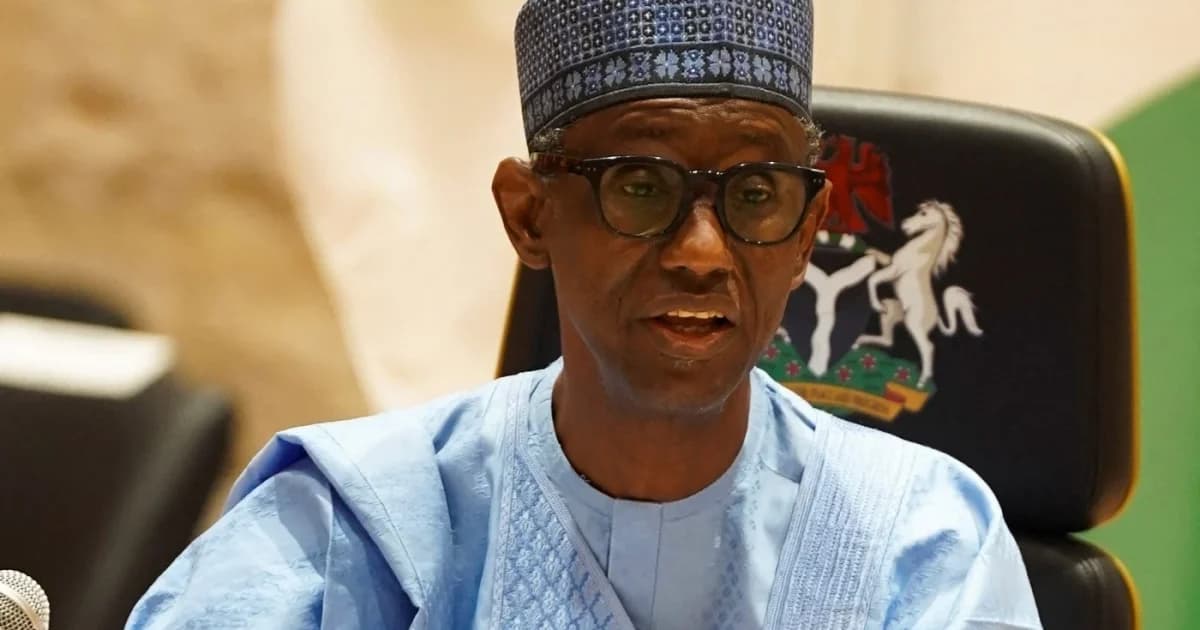
According to Punch, the Federal Government has formally pledged to safeguard voters, political candidates, and electoral workers throughout the 2027 general elections. National Security Adviser Mallam Nuhu Ribadu announced the commitment on Thursday in Abuja during the Strategic Election Security Conference, which was jointly organized by the Independent National Electoral Commission and the Office of the National Security Adviser.
The Security Mandate for the 2027 General Elections
Federal security planners face mounting pressure as early indicators point toward localized unrest and intimidation across multiple geopolitical zones. Open campaigning has already triggered violent flashpoints, forcing federal agencies to re-evaluate their deployment models well ahead of polling day. Operational blueprints now rely on proactive inter-agency task forces designed to insulate field personnel from partisan interference.
Government officials emphasized that institutional neutrality will form the baseline of operational planning over the coming months. Security agencies face intense scrutiny to ensure that state apparatuses don't be deployed to favor incumbents or suppress opposition strongholds. Planners know that public trust collapses the moment police or military units appear to take sides during high-stakes local contests.
Institutional Neutrality and the Role of Security Agencies
National Security Adviser Mallam Nuhu Ribadu addressed concerns regarding partisan bias directly during the Abuja conference. He stressed that law enforcement personnel must operate strictly within legal boundaries while maintaining absolute impartiality.
The duty of government and the security agencies is to protect voters, electoral officials and the wider population before, during and after the election. We will protect you. We will protect the voters. We will protect politicians. And even after the election, we will make sure there is no violence.
— Mallam Nuhu Ribadu, National Security Adviser
Ribadu noted that the constitutional independence of security forces must be actively protected and respected. He pointed to the leadership of INEC under a professor of law as a vital anchor for institutional integrity.
Digital Misinformation and Operational Vulnerabilities
Beyond physical confrontations in the field, federal security planners flagged the rapid propagation of false narratives across digital networks as a primary threat vector. Unchecked misinformation can accelerate local tensions and trigger localized unrest before security units can deploy.
Ribadu warned that bad actors exploit decentralized messaging platforms to manufacture artificial crises from remote locations. Mitigating these digital flashpoints will require active coordination between telecommunications regulators, civil society groups, and federal intelligence units.
Coordinating Intelligence Across Federal and State Lines
Effective election security depends on real-time data sharing between federal intelligence outfits and state police commands. Past cycles often suffered from bureaucratic friction and delayed communication between agencies stationed in Abuja and commanders on the ground. Federal authorities have established joint coordination centers to eliminate these gaps and streamline tactical responses.
Intelligence units are tracking known hotbeds where political actors typically hire armed groups to disrupt rallies or intimidate opponents. Intercepted communications and localized monitoring reports allow tactical teams to preemptively position detachments before violence erupts. This shift from reactive firefighting to preventive presence marks a significant change in federal security strategy for 2027.
INEC Warnings on State-Level Thuggery and Party Accountability
While federal security architects outlined protective measures, INEC Chairman Joash Amupitan delivered a sharp critique of political elites. He called out the hypocrisy of national party leaders who sign symbolic peace accords in Abuja while actively tolerating or financing violence in state chapters.
Amupitan highlighted a disturbing escalation in political intolerance since open campaigns began in August 2026. Documented incidents of physical attacks on campaign convoys, town hall meetings, and party offices span Lagos, Edo, Ekiti, Enugu, Ebonyi, Delta, Cross River, Oyo, and Benue states.
The Risks Facing Ad Hoc Electoral Personnel
The operational footprint of the upcoming general elections requires mobilizing more than 1.41 million ad hoc workers across 177,299 polling units nationwide. A significant portion of these temporary workers consists of young graduates serving in the National Youth Service Corps.
Amupitan warned that rampant political thuggery directly jeopardizes the safety of these young Nigerians. Without ironclad security guarantees, recruiting and retaining field staff will become an insurmountable bottleneck for the commission.
Voter Suppression and Post-Election Legitimacy
Electoral violence inflicts systemic damage far beyond immediate physical injuries or property destruction. The INEC chairman outlined three distinct pathways through which unrest undermines democratic governance:
- Systemic voter suppression that forces ordinary citizens to stay home out of fear.
- Direct threats to the safety and neutrality of over one million election workers.
- Pre-conditioning the political climate for wholesale post-election rejection at collation centers.
As preparations intensify, observers across the Africa region are watching how Nigerian authorities manage these intersecting security threats. Maintaining public trust in the final outcome depends entirely on suppressing pre-election intimidation before polling day arrives.
Financial and Logistical Pressures on Field Operations
Securing nearly 180,000 polling stations requires massive financial outlays and precise logistical timing from election administrators. Delays in deploying sensitive materials often leave stations vulnerable to localized intimidation during early morning hours. INEC officials continue pressing the federal treasury for timely fund releases to prevent last-minute procurement failures.
Transport unions and private vehicle contractors often demand hazard pay when operating in known conflict zones ahead of voting day. If security escorts fail to materialize, these drivers routinely abandon their contracts, leaving polling units stranded without essential supplies. Managing these logistical bottlenecks is just as critical to the final outcome as deploying armed guards to the streets.
The Morning Brief
One email a day with the stories that matter. Free, forever.
No spam. Unsubscribe anytime.
Comments (0)
Be the first to share your thoughts.