
Six Dead and Twelve Injured After Vehicle Fire Erupts on Lagos-Badagry Expressway
Six adults died and 12 were injured after a vehicle fire broke out at Magbon along the Lagos-Badagry Expressway, with emergency responders citing stored fuel.
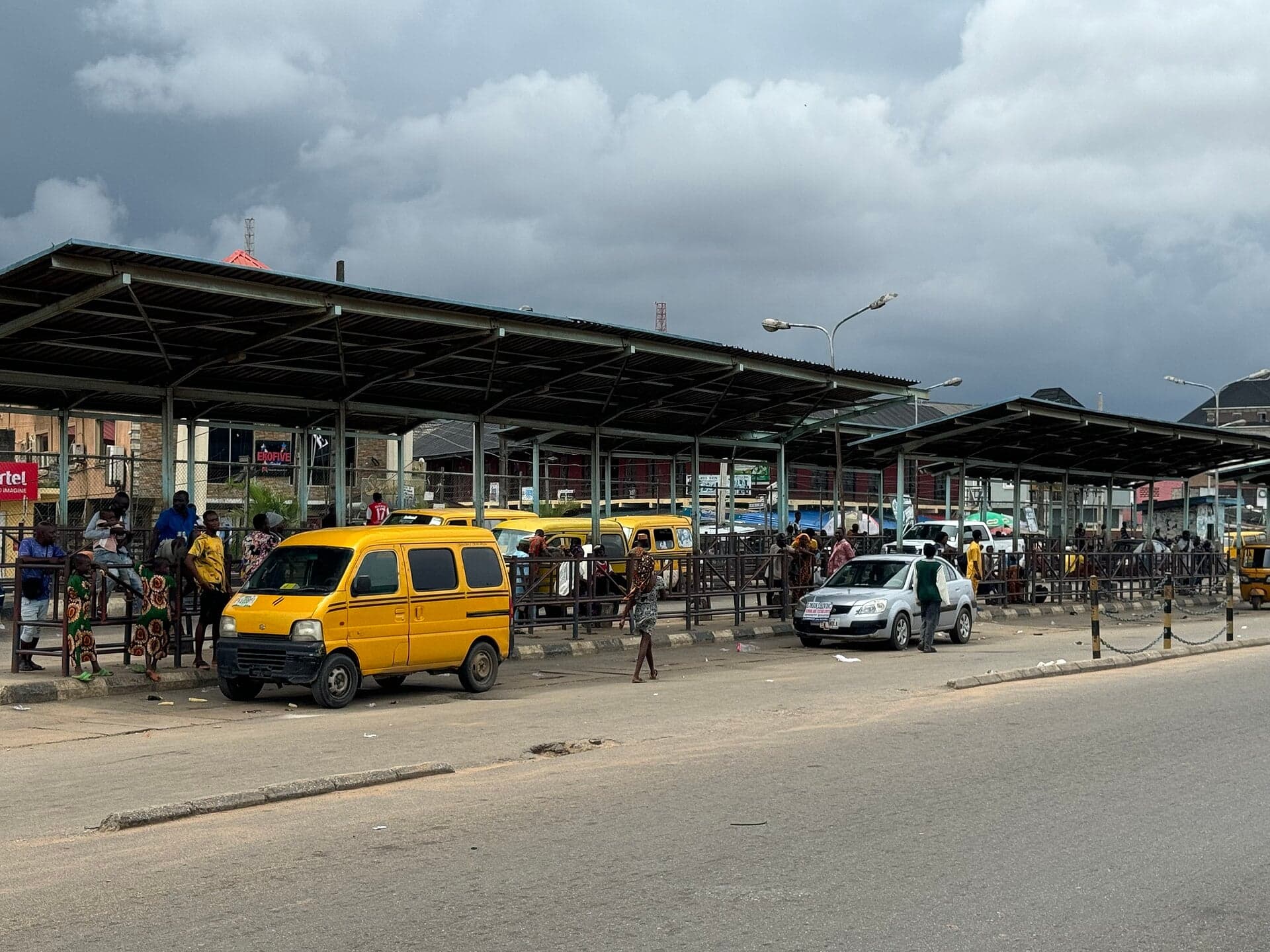
Decoding the Fatal Timeline Along the Magbon Corridor
According to reporting by The Rio Times, six people died and 12 others sustained severe injuries following a sudden vehicle fire at Magbon along the Lagos-Badagry Expressway on Thursday, November 26. Emergency responders logged the initial distress call at 8:44 am, setting off a sequence of rescue operations on one of Nigeria's primary western transit routes.
Traffic along this arterial corridor ground to a complete standstill as thick black smoke blanketed the asphalt, trapping commuters in gridlock for hours.
Data from the Lagos State Fire and Rescue Service (LASFRS) confirms that four adult men and two women were burnt beyond recognition inside the unnamed vehicle. The ferocity of the sudden blaze left little time for immediate extraction by passing motorists before specialized units arrived. Forensic teams faced grueling conditions inside the charred shell of the automobile while attempting to recover the remains.
Quantitative analysis of the agency's operational logs reveals a 29-minute transit window between the initial distress call and the arrival of the Badagry crew at 9:13 am. While investigators have yet to disclose the exact distance between the local fire station and the crash site, the response time establishes the immediate emergency envelope.
Heavy morning congestion across the corridor frequently impedes emergency vehicles, turning short geographical distances into agonizingly slow rescue runs.
Twelve survivors were pulled from the wreckage and rushed directly to Badagry General Hospital for urgent medical evaluation. Medical staff mobilized instantly to treat severe thermal burns and smoke inhalation among the incoming patients. Many of these individuals required emergency stabilization before being transferred to specialized trauma units across Lagos State.
Conflicting Pressures Between Emergency Responders and Bystanders
On-the-ground operational reports highlight severe friction between incoming emergency units and local crowds gathered at the scene. Fire service personnel faced an initial wave of hostility from angry bystanders before managing to secure the perimeter and execute rescue protocols. Managing hostile crowds while suppressing a raging vehicle fire introduces compounding variables that emergency planners must routinely navigate in high-density transit corridors.
Hostile Crowds and Rescue Bottlenecks
Crowd interference during transit emergencies directly threatens response efficiency and victim survival rates. In this instance, firefighters had to actively set aside local hostility to prioritize patient extractions and suppress the escalating flames. Public safety analysts note that unauthorized gatherings around burning fuel hazards often multiply the casualty count.
Hospital Intake and Unidentified Survivors
The 12 transported survivors arrived at Badagry General Hospital under undisclosed medical conditions, leaving a critical information gap for families seeking updates. Official statements from municipal authorities omit details regarding the make, model, or total passenger capacity of the destroyed transport. This lack of initial manifest data complicates casualty tracking across regional health facilities.
Crowd Control Failures on Congested Highways
Thousands of daily commuters use the Lagos-Badagry route, creating massive human clusters within minutes of any accident. Bystanders frequently crowd the perimeter of burning vehicles with mobile phones, blocking access for vital fire engines and ambulances. Police reinforcements often arrive late, leaving firefighters to double as crowd controllers while battling active chemical flames.
Evaluating the Stored Fuel Hazard and National Safety Metrics
Preliminary investigations point directly to an extra five litres of petrol stored inside the cabin, intended to refuel the tank during transit. State fire officials emphasize that carrying volatile hydrocarbons inside passenger compartments drastically alters thermal dynamics during a breach. That concentrated fuel load is suspected to have accelerated the blaze, turning a standard vehicular incident into an intense inferno.
The presence of the extra fuel is suspected to have contributed to the intensity of the fire.
— Lagos State Fire and Rescue Service, Official Incident Report
Contextualizing this tragedy requires examining broader national transport statistics published by the Federal Road Safety Corps (FRSC). The agency recorded 5,289 road fatalities across 10,446 total crashes nationwide in 2025, marking a slight drop of 132 deaths compared to the previous year. However, total crash incidents actually rose from 9,570, demonstrating that overall road hazard exposure remains stubbornly high across Africa's busiest commercial corridors.
Scarcity Economics and Mobile Fuel Containers
Rising pump prices across West Africa drive many drivers to hoard auxiliary fuel in plastic containers inside passenger boots. Motorists gamble on convenience to avoid crippling fuel queues, ignoring the catastrophic volatility of petrol exposed to cabin heat. One minor electrical spark or friction point transforms these makeshift reserves into lethal thermal bombs.
FRSC Crash Data and Regional Risk Profiles
Federal highway data confirms that commercial transport vehicles account for the vast majority of multi-fatality fire incidents. Overloaded passenger buses lack basic fire suppression equipment, leaving occupants defenseless when fuel lines rupture during collisions. State regulators struggle to enforce safety codes along thousands of miles of federal trunk roads.
The Forensic Limitations and Enforcement Deficits
Despite definitive statements regarding the stored fuel, crucial forensic data points remain entirely absent from the official record. Investigators have not clarified whether the driver survived the incident or perished among the unidentified victims. Furthermore, municipal authorities have yet to establish whether the fire stemmed from a physical collision or an isolated mechanical failure.
Carrying spare petrol in passenger vehicles violates established safety protocols, prompting prior warnings from the Lagos fire service dating back to November 2022. Yet enforcement along major arteries like the World News transit network remains inconsistent, leaving commercial and private operators to absorb catastrophic risks. Without mandatory roadside inspections targeting fuel storage inside cabins, motorists continue to operate under hidden hazards.
Unresolved Identification Hurdles in Severe Burns
When bodies are burned beyond recognition, local mortuaries rely on DNA profiling and dental records that are rarely available for casual commuters. Families must navigate bureaucratic hurdles for weeks to confirm whether their missing relatives perished in the blaze. This diagnostic bottleneck delays burial rites and leaves insurance claims frozen indefinitely.
Gaps in Roadside Hazardous Material Enforcement
Traffic checkpoints across the Lagos corridor primarily target vehicle papers and overloading rather than hazardous cargo inside cabins. Police officers rarely inspect footwells or boot compartments for illicit fuel storage during routine traffic stops. Without inter-agency cooperation between traffic police and fire inspectors, roadside petroleum hazards will persist unchecked.
The Morning Brief
One email a day with the stories that matter. Free, forever.
No spam. Unsubscribe anytime.
Comments (0)
Be the first to share your thoughts.