
Ondo Deputy Governor Urges 2027 Re-Election Bid for President Tinubu
Ondo Deputy Governor Olayide Adelami has urged Nigerians to back President Bola Tinubu's 2027 re-election bid, arguing that current economic reforms need four more years to consolidate.
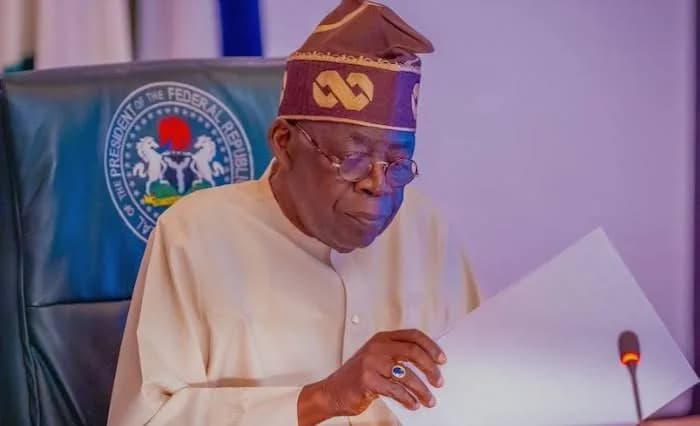
Ondo Deputy Governor Calls for National Support Ahead of 2027
According to Punch, Ondo State Deputy Governor Dr. Olayide Adelami has publicly called on Nigerian citizens to back President Bola Tinubu's re-election bid in the upcoming 2027 polls. Speaking to a gathering in Owo, Adelami framed the incumbent administration's aggressive economic overhauls as essential medicine for the country's long-term financial health. The political pitch arrived via a formal statement released by his spokesman, John Akinduro, during a local campaign rally.
For everyday households grappling with shifting market prices and tight family budgets, political alignment at the subnational level remains a critical barometer of economic stability. State officials are increasingly tasked with translating national fiscal adjustments into tangible local benefits. The deputy governor's appeal reflects an active push by regional leaders to secure policy continuity across Nigeria's 36 states.
Electoral calculus in Ondo State historically pivots on local grievances, party infrastructure, and the distribution of federal patronage. Deputy Governor Adelami's alignment with Aso Rock signals a concerted effort by southwestern governors to head off populist backlash before campaigns officially kick off. Local politicians know that convincing voters to endure prolonged austerity requires visible proof of infrastructural dividends at the grassroots level.
The Case for Structural Continuity in Public Finance
Adelami argued directly that no previous executive has pursued structural economic realignment with comparable ambition. Proponents of this view maintain that four additional years are required to let fiscal policies fully mature across sectors like taxation, foreign exchange, and federal allocations. Similar debates are playing out across the Africa desk as governments weigh the short-term pain of subsidy removals and currency floatation against anticipated medium-term gains.
Local government areas like Owo and Ose sit at the intersection of these macroeconomic shifts, where local government workers and pensioners watch federal disbursement figures closely. Regional administrators insist that higher statutory allocations are already filtering down to improve state-level fiscal health. Critics, however, argue that ordinary citizens need faster relief from inflationary pressures before committing to extended political timelines.
Owo and Ose Districts Face the Cost of Reforms
Market stalls in Owo reflect the immediate strain of federal tax changes and logistical hurdles, even as state officials preach patience. Traders report that higher transportation expenses eat directly into daily margins, making it difficult to restock basic foodstuffs. When regional leaders campaign door-to-door, they encounter constituents who measure national policy success strictly by the price of rice and cooking gas.
Local leaders must reconcile lofty national growth projections with the immediate financial anxiety of small-scale farmers and shopkeepers. If state treasuries fail to translate improved allocations into reliable community services, voter turnout in key strongholds could dip significantly. That local friction defines the tightrope walk facing incumbents ahead of 2027.
Fiscal Realignment and Subnational Payouts
State treasuries have experienced notable shifts in liquidity following recent federal revenue reforms. Adelami pointed to regularized salary schedules and enhanced state allocations as concrete proof that the new fiscal architecture is working on the ground. Such changes directly impact public sector households that depend on predictable monthly disbursements to manage basic living costs.
Governors across the federation have seen their monthly Federation Account Allocation Committee revenues climb following the removal of petrol subsidies and the unification of foreign exchange windows. This sudden influx of liquidity gives state executives unprecedented room to maneuver, settle legacy arrears, and launch long-delayed capital projects. Critics counter that these windfalls have yet to trigger the broad-based job creation promised by the federal economic team.
The reforms are already yielding good results. Currently, every state in the country has increased wages and is paying regularly. Pensioners and civil servants are receiving their monthly pay as and when due, states now have more funds for infrastructural development.
— Dr. Olayide Adelami, Deputy Governor of Ondo State
Yet the lived reality for many workers involves balancing these improved wage baselines against escalating transport and food expenses. While increased federal allocations offer governors more fiscal headroom for infrastructure projects, households measure success by purchasing power inside local markets. Bridging that gap remains the central challenge for incumbents seeking renewed mandates in Politics and governance.
How State Treasuries Handle Expanded Allocations
Ondo State officials insist that surplus federal revenue is flowing directly into primary healthcare upgrades and rural road rehabilitation. Civil servants who once endured months of unpaid salary arrears now receive direct bank credits by the end of each month. That predictability builds a reliable base of political support among public sector families.
Private sector employees and informal traders operate outside this insulated civil service bubble, absorbing the full brunt of inflation without state-backed wage bumps. This widening divide between public payroll security and private market volatility creates a sharp wedge for opposition parties to exploit. State administrators must prove that public sector liquidity eventually stimulates broader commercial activity across local economies.
Civil Servants and Pensioners Weigh Their Options
Retirees in Ondo State represent a potent voting bloc that watches pension board disbursements with hawk-like scrutiny. For years, delayed gratuities formed the centerpiece of political grievances during election cycles across the southwest. Regularizing these payments under the current administration strips away a traditional weapon from opposition campaigners.
Pensioners still worry that currency devaluation will erode the real purchasing power of their fixed monthly stipends over the next four years. Economic debates in state capitals frequently ignore the corrosive impact of inflation on stagnant retirement accounts. Local politicians must convince these older voters that structural reforms will stabilize the currency before the next mandate expires.
Mobilization Targets and Electoral Arithmetic
Party officials are wasting no time setting ambitious local targets for the upcoming electoral cycle. Victor Olabimtan, Director-General of the Ondo State APC Presidential Campaign Council, pressed local stakeholders in Owo and Ose to deliver a commanding 75 percent voter turnout for the party. Such ground-level mobilization efforts are critical for measuring true constituent buy-in ahead of state and federal ballots.
Precinct-level organizers know that raw enthusiasm rarely translates into actual ballots without relentless door-to-door campaigning and logistical preparation. Party structures in Ondo are already mapping out ward meetings to reconcile internal factions and lock down endorsements from traditional rulers. Securing the backing of local community leaders remains a tried-and-true method for driving up voter participation in rural districts.
Olabimtan Pushes the 75 Percent Turnout Goal
Achieving a 75 percent turnout rate requires overcoming voter apathy born from years of economic hardship and unfulfilled campaign promises. Party strategists in Akure are deploying targeted messaging that ties local infrastructure projects directly to federal policy alignment. If voters believe their ballots will secure continued funding for state roads, participation rates may climb despite cost-of-living pressures.
Opposition parties are quietly organizing counter-campaigns centered on the high cost of fuel, electricity tariffs, and imported goods. They argue that federal fiscal adjustments have crushed middle-class savings while concentrating wealth in government treasuries. The ideological battle lines for 2027 are firmly drawn around bread-and-butter economic issues.
Voter Registration and Legislative Battlegrounds
Voters are simultaneously being urged to secure their Permanent Voter Cards and prepare for tightly contested legislative races. As party machines gear up for the February 2027 House of Assembly contests, ordinary citizens find themselves at the center of a high-stakes campaign to shape Nigeria's legislative future.
Local youth groups and civil society organizations are ramping up voter education campaigns to ensure polling units remain orderly and accessible. Electoral officials face mounting pressure to deliver transparent collation processes that withstand judicial scrutiny after the polls close. The coming months will test whether party machinery can convert grassroots anxiety into durable electoral loyalty.
The Morning Brief
One email a day with the stories that matter. Free, forever.
No spam. Unsubscribe anytime.
Comments (0)
Be the first to share your thoughts.