
Republican Resistance to Tariffs Opens Door for Bipartisan Push in Congress
Devastating election losses centered on rising costs have prompted several Republicans to rethink Trump's tariff agenda, creating a rare opening for bipartisan reform.
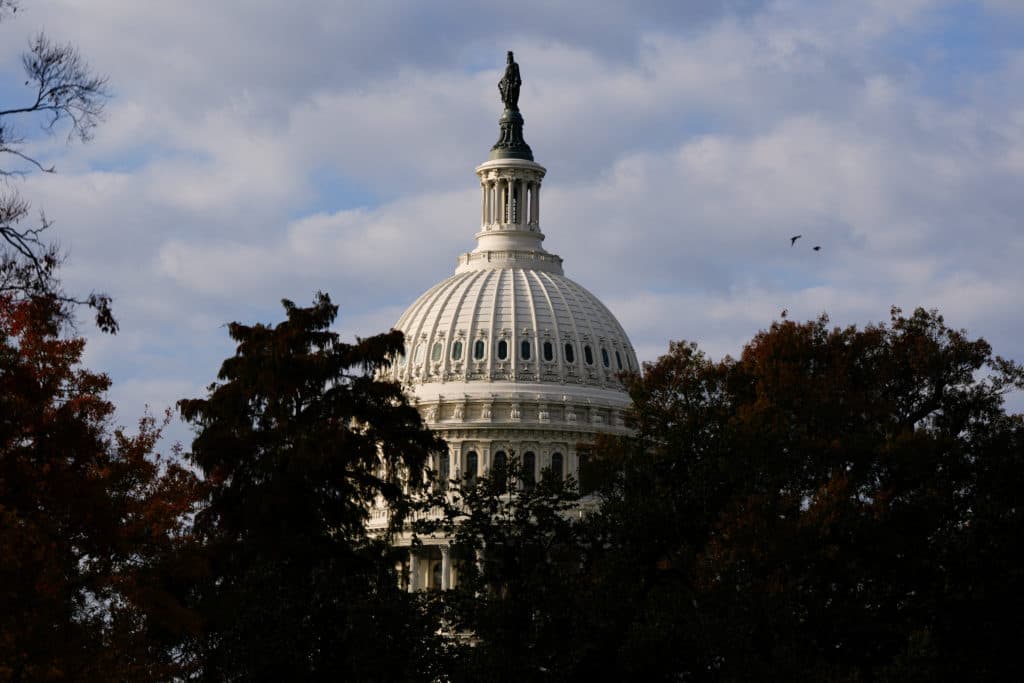
According to the Associated Press, congressional Republicans are signaling a willingness to rethink sweeping import taxes following recent election losses tied to rising living costs. The shift creates a rare opening for Democrats preparing to take control of Capitol Hill. Lawmakers from both parties are beginning to question whether broad protectionist measures have done more harm than good to domestic producers.
President Donald Trump has made tariffs a cornerstone of his trade strategy, targeting partners from China to the European Union. Yet that lockstep party discipline is showing strain as vulnerable members face mounting complaints from factories, farms, and small businesses. The tension sets up a high-stakes legislative clash over executive trade authority and consumer prices.
How Congressional Republicans Pivot on Import Duties
Electoral defeats in suburban districts have forced a cold calculation inside GOP caucus rooms. Lawmakers now face an aggressive coalition of local chambers of commerce demanding immediate price relief. That grassroots pressure breaks years of uniform compliance with executive trade edicts.
The Legislative Pushback and Case-by-Case Review
Several Republican lawmakers interviewed after the vote expressed openness to evaluating import levies individually rather than defending every policy from the White House. They argued that current trade structures are overly broad and demand a more predictable approach to international commerce. This pragmatic pivot gives opposition lawmakers a tangible opening to build legislative coalitions.
For decades, trade policy remained the exclusive domain of the executive branch under broad congressional delegations. Today's lawmakers want to claw back that authority to protect local constituents from unexpected cost spikes. That institutional ambition runs right into the realities of party leadership and White House loyalty.
Senators and Representatives Eyeing Reform
Sen. Todd Young of Indiana argued publicly that voter anxiety over household expenses demands a fresh look at trade policy. He called for a more consumer-friendly strategy that protects domestic supply chains without choking off small business budgets. Similarly, Rep. Michael Guest of Mississippi admitted he is willing to review Democratic proposals on a case-by-case basis.
A rethink is indeed in order, and I'll be a bipartisan voice for making sure we have the most consumer friendly tariff approaches.
— Sen. Todd Young, R-Ind.
Other veteran lawmakers noted that Congress spent decades delegating tariff authority to the executive branch and now has every right to reclaim it. Sen. Mike Rounds of South Dakota pointed out that legislative bodies can modify or limit those delegated powers if economic conditions warrant a correction. Still, conservatives remain divided on how far any reform package should go.
Why Canada Levies Drive Bipartisan Defiance
North American supply chains operate on a just-in-time delivery schedule that breaks down instantly under retaliatory duties. Factories in the Midwest and the Rust Belt rely on uninterrupted cross-border shipments of auto parts and raw lumber. When northern trading partners slap matching fees on local exports, congressional offices hear from angry plant managers within hours.
The North American Trade Test and Cross-Border Friction
If lawmakers manage to forge a cross-party alliance, levies on Canadian goods will likely serve as the first major legislative battleground. Past repeal efforts managed to attract a handful of crossover votes, and incoming Democratic leaders have already flagged those duties as an immediate target. Retaliatory measures from Canada hit local economies hard, creating strong political incentives for border-state Republicans to act.
Border states face direct economic damage when agricultural exports and manufactured goods sit stranded at customs checkpoints. Governors from both parties have lobbied congressional delegations to exempt regional supply chains from federal tariff enforcement. That localized distress makes northern trade policy far more vulnerable than broader penalties directed overseas.
Targeting Regional Levies and Supply Chains
Sen. John Kennedy of Louisiana drew a sharp line between levies on Beijing and those affecting northern neighbors, stating that duties on Canada defy economic logic. Incoming Senate Finance Committee Chairman Ron Wyden suggested that securing a win on Canadian trade could generate momentum for broader rollbacks. Rep. Richard Neal of Massachusetts echoed that sentiment, emphasizing that punitive measures have complicated domestic manufacturing.
At the same time, some conservatives warn against an overcorrection that dismantles legitimate trade leverage. Sen. Josh Hawley expressed concern that a sudden legislative stampede could undo years of protectionist gains. White House officials maintain that the administration's overarching goal remains rebuilding domestic industry and lowering costs for working families.
What Obstacles Block Congressional Trade Overhauls
Passing tariff reform requires navigating procedural hurdles that routinely kill complex economic legislation in the Senate. Filibusters and committee bottlenecks give defenders of executive authority plenty of room to stall unwanted votes. Any successful push must survive intense lobbying from domestic interest groups aligned with the administration.
The Veto Wall and Practical Limits of Reform
Even if an unlikely coalition passes tariff rollbacks, overcoming a presidential veto remains a steep arithmetic challenge. Lawmakers would need a two-thirds majority in both chambers to override executive pushback, a high bar even with shifting political winds. Sen. Rand Paul noted that any successful repeal effort would likely need attachment to must-pass funding bills to survive.
Attaching trade restrictions to federal budgets creates its own set of high-stakes legislative standoffs and potential government shutdowns. Fiscal hawks often clash with trade reformers over the best mechanism to force executive compliance. Lawmakers must decide how much friction they are willing to risk with the White House to appease frustrated voters back home.
As Politics observers note, the coming months will test whether electoral pain can permanently alter Republican trade orthodoxy. The debate forces members to choose between party loyalty and the immediate financial health of their local economies. That underlying tension will dictate legislative priorities when the new congressional session begins.
The Morning Brief
One email a day with the stories that matter. Free, forever.
No spam. Unsubscribe anytime.
Comments (0)
Be the first to share your thoughts.