
Gadi Eisenkot Accuses Likud of Stalling Israeli Coalition Talks
Centrist leader Gadi Eisenkot accused Benjamin Netanyahu's Likud party of stalling coalition talks to force fresh elections before the December 6 deadline.
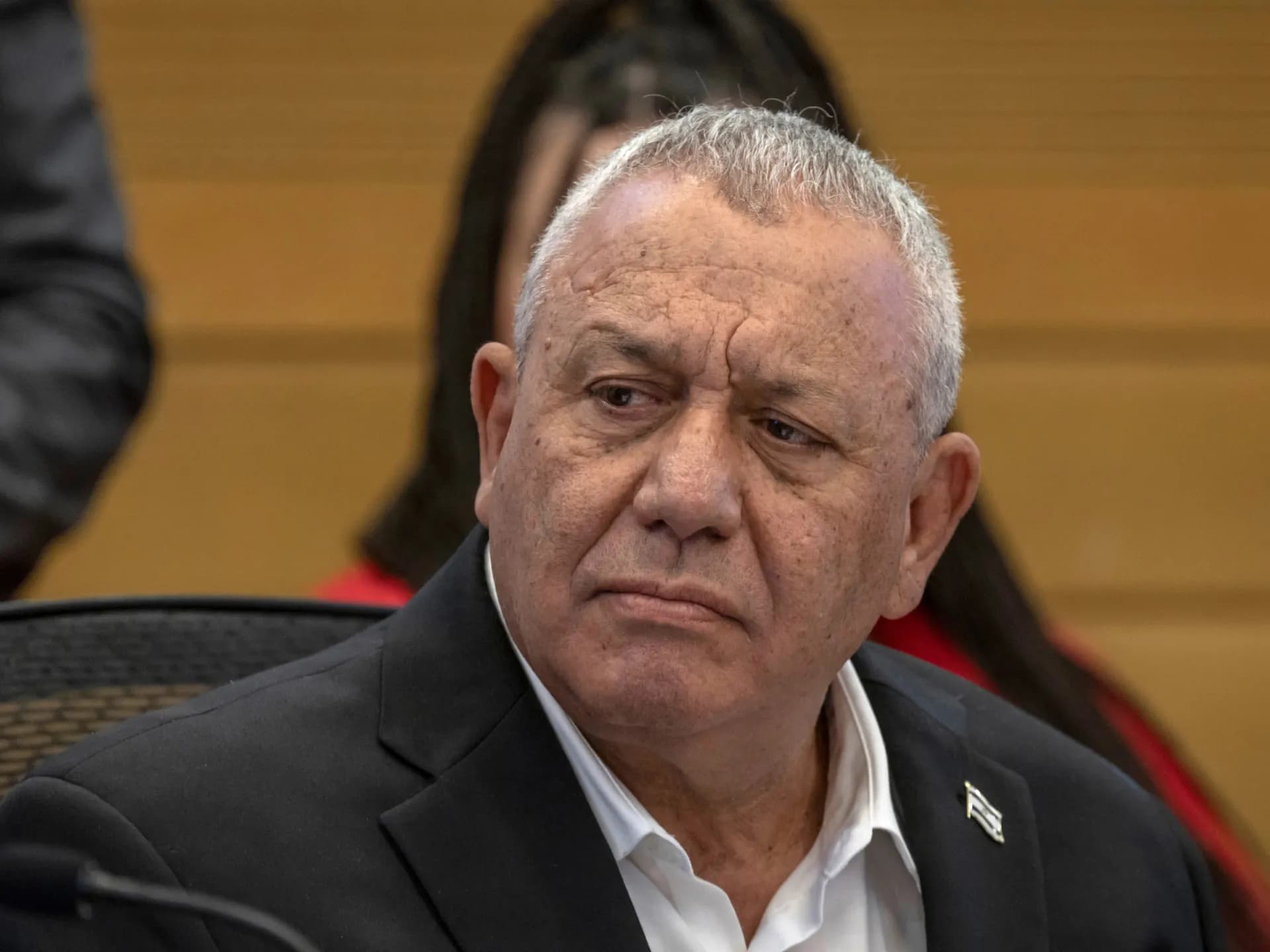
According to Al Jazeera and international wire reports, centrist Yashar party leader Gadi Eisenkot accused Prime Minister Benjamin Netanyahu's Likud party of intentionally stalling coalition negotiations. Following the October 27 election, Eisenkot received the presidential mandate to form a new government but faces a tight December 6 deadline. The parliamentary arithmetic left both major political blocs far short of the 61 seats required for a governing majority in the 120-seat Knesset.
The Parliamentary Gridlock and Arithmetic Reality
Israel's recent electoral cycle produced a deeply fragmented legislature with no straightforward path to power. Eisenkot and his presumed political allies secured 48 seats, while Netanyahu's traditional alliance of far-right and ultra-Orthodox factions managed 53 seats. Neither bloc commands the numbers needed to govern alone, turning coalition negotiations into a high-stakes legislative puzzle.
Current Coalition Alignments and Numbers
The centrist Yashar party has successfully secured coalition agreements with the left-leaning Democrats and the right-wing Israel Beiteinu parties. However, this partnership yields only 36 members of parliament, leaving the bloc short of a working majority. To bridge the gap, Yashar negotiators initiated talks with Likud regarding a potential national unity government.
Without bringing additional factions into the fold, any minority administration risks collapsing during the first major confidence vote on the floor. Parties like United Torah Judaism and Shas control pivotal voting blocks that refuse to negotiate with centrist leadership. Yashar's core allies are pushing for swift policy concessions before any final cabinet portfolios are divided among partners.
Internal Fractures Within the Opposition
Eisenkot's broader political camp remains deeply divided over potential alliance partners. Negotiators have weighed whether to court ultra-Orthodox factions or Arab-majority lists, or instead pursue a unity government with Likud. These internal disagreements have complicated Yashar's bargaining posture during the critical weeks following the election.
Hardline figures inside the anti-Netanyahu coalition reject any power-sharing deal that involves Likud's current leadership. Other members warn that alienating potential religious partners leaves the legislative agenda paralyzed from day one. This tactical friction creates visible openings for Likud strategists monitoring the opposition's internal disputes.
Historical Precedents for Deadlocked Knesset Sessions
Deadlocked Knessets are no stranger to Israeli politics, given the proportional representation system that routinely yields multiple minor parties. Past electoral stalemates routinely forced extended coalition talks well past standard constitutional deadlines. Lawmakers now find themselves navigating familiar structural bottlenecks that defy easy legislative compromise.
Previous unity governments formed under national emergency conditions required complex rotational premierships and ironclad power-sharing agreements. Neither Likud nor the Yashar party has agreed to structural compromises of that magnitude during the current round of talks. The absence of trusted intermediaries between the two camps deepens the ongoing policy paralysis.
Image: aljazeera.comAccusations of Running Down the Clock
The breakdown in unity talks prompted a sharp public rebuke from the Yashar leader on Friday. Eisenkot claimed that Netanyahu's party avoided substantive compromise during two weeks of discussions. He alleged that Likud aims to run out the clock until the presidential mandate expires, fracture the anti-Netanyahu bloc, and force the country into another election cycle under the caretaker administration.
Political analysts note that running out the clock remains a reliable tactical playbook for opposition leaders facing hostile legislative numbers. By stalling substantive policy debates, Likud can pressure splinter factions within Yashar's fragile coalition to abandon the camp. Every day that passes without a signed agreement diminishes Eisenkot's leverage before the head of state.
Likud, for its part, was unwilling to compromise and, over two weeks, refused to put a single concrete proposal on the table.
— Gadi Eisenkot, Yashar Party Chief
The Yashar chief maintained that he remains open to serious negotiations if Likud changes course. Likud fired back by accusing Eisenkot of attempting to form a dangerous left-wing government, though the party maintained that it remains open to a unity framework.
Public posturing has largely replaced backroom diplomacy as both parties try to frame the impending failure on their rivals. Likud officials insist their platform reflects the genuine will of the conservative electorate that secured over 50 seats. Yashar campaign managers counter that refusing to exchange portfolio drafts proves bad-faith bargaining from the prime minister's office.
Image: aljazeera.comConstitutional Deadlines and Next Steps
Eisenkot faces a hard deadline of December 6 to successfully assemble a governing coalition, though the law allows the president to grant a 14-day extension. With time running low, the viability of a unity government depends on whether either side alters its negotiating stance before the mandate lapses. You can follow broader developments across the region on our Politics desk.
If the December 6 deadline passes without a signed coalition agreement, the mandate defaults back to the Knesset for a 21-day period. During that window, any individual lawmaker who secures 61 signatures can attempt to form a government. Failing that backup mechanism, the country faces an automatic dissolution of parliament and a return to the ballot boxes.
Financial markets and international observers are closely monitoring the political standoff for signs of fiscal instability or stalled budget approvals. Caretaker administrations possess limited authority to pass major legislative reforms or authorize critical defense expenditures without parliamentary oversight. The cost of holding an unprecedented sixth election cycle in under five years weighs heavily on the national treasury.
The Morning Brief
One email a day with the stories that matter. Free, forever.
No spam. Unsubscribe anytime.
Comments (0)
Be the first to share your thoughts.