
Magnitude 5.0 Earthquake Rattles Los Angeles Coast and Disrupts Airport Traffic
A magnitude 5.0 earthquake rattled Los Angeles, forcing an incoming airliner to abort its landing and prompting emergency infrastructure sweeps across the city.
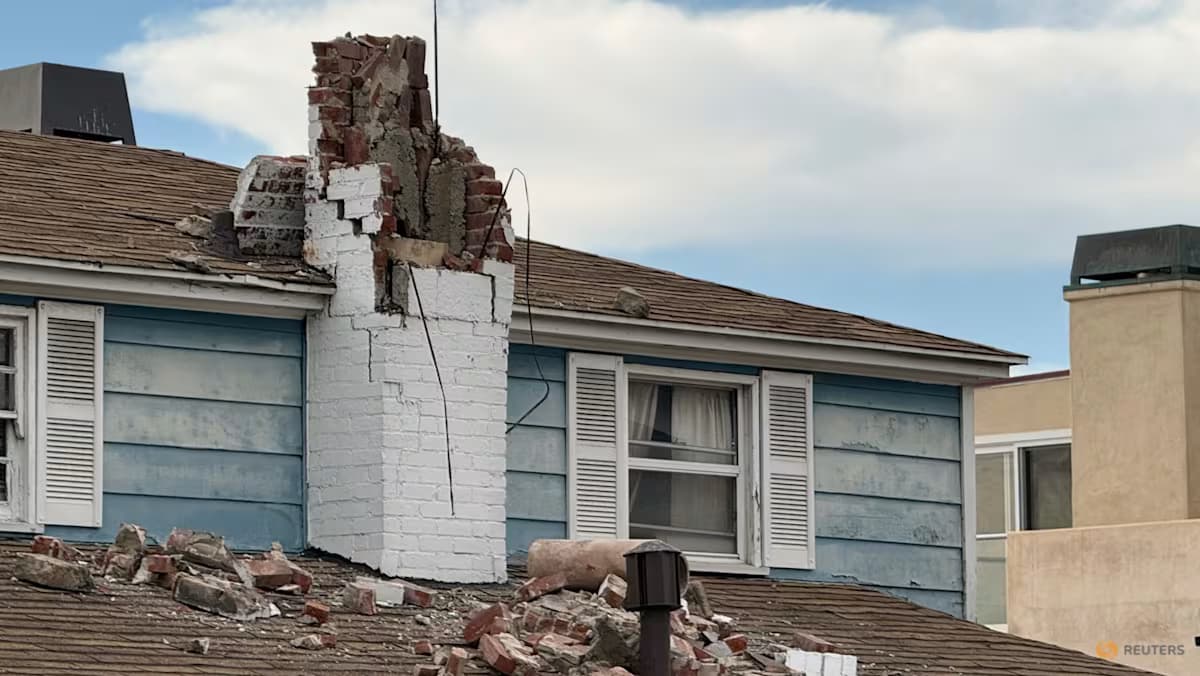
A magnitude 5.0 earthquake struck off the southern California coast on Saturday, rattling windows across the Los Angeles metropolitan area and forcing a commercial airliner to abort its landing. The tremor hit near Manhattan Beach and triggered a series of immediate aftershocks that left terminal glass shattered and commuters shaken.
While regional emergency services reported no immediate injuries or major structural failures, the sudden jolt exposed the delicate margin of safety required during seismic events in densely populated coastal regions. Local communities in World News hubs often face these abrupt disruptions with a mix of practiced resilience and sudden anxiety.
The Seismic Trigger and Immediate Aviation Safety Protocol
Fault lines hidden beneath the Pacific shelf shifted without warning on Saturday afternoon, releasing sudden energy toward the densely populated Los Angeles basin. Ground sensors registered the initial slip just offshore, sending sharp seismic waves racing inland toward coastal neighborhoods and aviation hubs.
Aviation protocols swung into action instantaneously when the tremor struck just as a Delta Airlines flight was moments away from touching down on the tarmac. Flight crews received immediate orders to pull up and abort the landing before the wheels hit the concrete.
Runway Inspections and Airport Terminal Chaos
Ground controllers needed to confirm that the sudden subterranean shifting hadn't sheared or cracked the landing strips before permitting aircraft to approach again. Engineers fanned out across the asphalt with flashlight beams and transit levels to check for hairline fractures in the concrete.
City Mayor Karen Bass defended the decision during an interview with Fox News, explaining the necessity of extreme caution before clearing aircraft for arrival. Airport terminals felt the brunt of the secondary shakes too, as an aftershock dislodged a ceiling panel and shattered terminal windows.
that was absolutely the right thing to do, because how would they know until the runways have been checked?
— Karen Bass, City Mayor
Passengers inside the terminal experienced the disruption firsthand as social media feeds filled with contrasting scenes of calm indifference and sudden panic. Travelers described individuals lying on the floor or weeping as emergency alerts blared across their mobile devices.
Image: channelnewsasia.comInside the Emergency Response and Infrastructure Sweep
Municipal dispatchers received thousands of calls within the first 10 minutes following the initial jolt near Manhattan Beach. Behind the visible airport chaos, municipal emergency services transitioned into high-alert protocols to safeguard public infrastructure.
The California governor's Office of Emergency Services announced it was actively coordinating with local municipal leaders to map out affected zones. Structural engineers examined transit links while water utility workers checked main distribution lines for pressure drops.
Fire Department Sweeps and Seismological Analysis
The Los Angeles Fire Department immediately shifted operations into official earthquake mode across more than 100 neighborhood fire stations. Personnel fanned out across the city by land, air, and sea to inspect bridges, overpasses, and water mains for hidden fractures.
Official statements released by emergency dispatchers emphasized that preliminary surveys revealed no major structural collapses or hospitalizations. Seismologist Lucy Jones, a Caltech research associate, noted that this tremor ranks as one of the larger ground motions felt in the immediate Los Angeles basin over recent years.
Power grid operators also performed rapid diagnostics across electrical substations to prevent cascading transformer failures from minor ground shifts. Most industrial facilities reported automatic shutdowns of sensitive machinery to protect plant operators from falling inventory.
Image: channelnewsasia.comHistorical Context and Community Preparedness Pressures
California sits directly atop the complex intersection of several major tectonic plates, making sudden ground displacement a constant hazard for the 40 million residents in the region. Most daily tremors register as minor rumbles that pass unnoticed beneath office buildings and suburban homes.
Major historical events, such as the destructive 1994 Northridge earthquake and the catastrophic 1906 San Francisco disaster, continue to shape modern building codes and emergency preparedness drills. State officials reiterated warnings that residents must remain vigilant because subsequent tremors frequently follow a primary strike.
Aftershock Monitoring and Ongoing Pipeline Checks
Seismology teams deployed mobile monitoring stations to track the decay rate of aftershocks ripple-testing the coastal shelf. Emergency management agencies continue compiling field reports from municipal inspectors to ensure that hidden pipeline leaks or weakened foundations don't pose delayed threats to neighborhoods.
Public transit authorities ordered slow-speed runs on light rail lines until track geometry cars verified rail alignment across elevated viaducts. Officials confirmed that repairs to shattered terminal glass and fallen ceiling panels would proceed through the night ahead of Sunday passenger schedules.
The Morning Brief
One email a day with the stories that matter. Free, forever.
No spam. Unsubscribe anytime.
Comments (0)
Be the first to share your thoughts.