
Kenyan Starvation Cult Leader Paul Mackenzie Found Guilty of Manslaughter for 123 Deaths
A Kenyan court found starvation cult leader Paul Mackenzie guilty of manslaughter for the deaths of 123 followers in the Shakahola Forest.
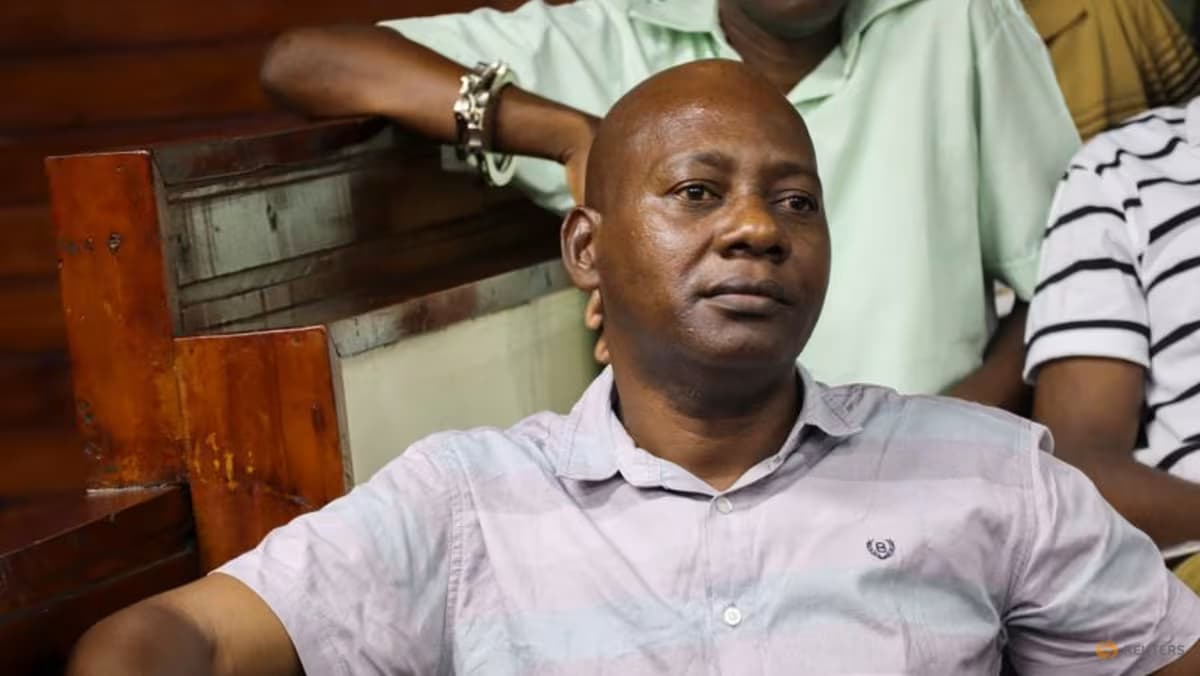
According to Channel NewsAsia and international wire reports, a Kenyan court found starvation cult leader Paul Mackenzie guilty of manslaughter for the deaths of 123 followers. The Friday ruling marks the latest conviction in one of the deadliest cult-related massacres in modern history, following a gruesome investigation centered in the Shakahola Forest near the nation's coast.
Investigators spent months combing through dense vegetation and unearthing hidden burial sites to piece together the sheer scale of the atrocity. Local law enforcement agencies faced immense logistical hurdles while trying to secure the sprawling perimeter and protect traumatized survivors who wandered out of the brush. Medical examiners worked around the clock in makeshift field morgues to identify decomposing remains and determine exact causes of death.
Mackenzie is already serving a 200-year prison sentence handed down earlier this month for the murder of nearly 200 children. The preacher directed an apocalyptic Christian movement that commanded followers to starve themselves and their dependents to meet God before an impending apocalypse. Investigations revealed that victims suffered unspeakable violence, with bodies ultimately recovered from shallow graves and latrines.
Forensic teams documented harrowing details of families perishing together inside remote huts designated for final rites. Autopsy reports confirmed that many victims, including toddlers, showed signs of blunt force trauma alongside severe malnourishment. Police raids managed to rescue dozens of emaciated survivors who were too weak to stand or speak coherently upon discovery.
The Mechanics of Control in the Shakahola Forest
Understanding how a self-proclaimed preacher orchestrated mass fatalities requires examining the strict operational hierarchy he enforced in remote woodlands. Mackenzie dictated every aspect of daily existence for his adherents, isolating them from outside scrutiny and stripping away independent decision-making. The isolation created a closed information loop where fatal instructions were obeyed without question.
Adherents were forced to liquidate all personal assets, handing over cash, vehicles, and land deeds to the ministry before entering the restricted forest zone. Armed enforcers patrolled the perimeter boundaries to prevent anyone from escaping or seeking help from nearby villages. Cut off from mobile phones and radios, followers had no access to outside news or dissenting perspectives.
Magistrate Alex Ithuku detailed the systematic nature of the operation during his ruling at the Mombasa High Court. The court established that the leader exercised absolute authority over the timing and manner of his followers' final days.
gave the directions to fast to death ... the order in which people were to die, directed the faithful move to secluded fasting places, and took part in what followed these deaths
— Alex Ithuku, Magistrate
Prosecutors presented reams of financial records, witness testimony, and digital communications mapping out the chilling logistics of the mass starvation campaign. Security officials testified that camp elders enforced a rigid schedule dictating which families would fast during specific phases. Anyone who showed hesitation or requested food was subjected to immediate physical punishment by loyal guards.
Defense counsel maintained that their client was innocent of the manslaughter charges despite overwhelming physical evidence. Legal representatives confirmed that an appeal will be filed immediately following the formal sentencing phase.
Defense attorneys argued that the state failed to link their client directly to every individual burial site scattered across the vast forest expanse. They intend to challenge the admissibility of certain witness statements gathered during the initial police sweeps. The upcoming appellate battles will test the strength of the circumstantial evidence assembled by state prosecutors.
Image: channelnewsasia.comWho Gains Leverage and Who Loses Ground Across Kenya
The Shakahola tragedy sent shockwaves through Kenyan society, redrawing the political and legal boundaries of religious freedom. State actors and civic institutions are now locked in tense negotiations over how to prevent similar atrocities without violating constitutional protections. Every faction involved must navigate complex public expectations and institutional limitations.
The State's Push for Sweeping Religious Oversight
Federal authorities and mainstream religious institutions have gained urgent momentum to overhaul how the government monitors fringe ministries. President William Ruto publicly accepted responsibility in 2023 for regulatory blind spots that allowed the Shakahola compound to operate undetected for months. Lawmakers are now drafting stricter licensing and financial transparency rules for registered associations.
Ministry officials are reviewing tax exemptions and property holdings for all religious groups operating within rural jurisdictions. Critics argue that adding bureaucratic hurdles won't stop determined extremists who operate entirely underground. Law enforcement agencies are lobbying for expanded surveillance powers to track suspicious real estate purchases in isolated areas.
Vulnerable Communities Facing Economic and Social Pressures
Marginalized families across coastal regions continue to bear the heaviest toll, losing breadwinners and children to predatory organizations. Communities near the forest bear deep psychological scars, while trust in rural grassroots protection systems remains severely strained. Grassroots advocacy groups are pushing for community-based early warning networks to spot isolation tactics before tragedies unfold.
Local schools report lingering attendance drops as traumatized children struggle to reintegrate after losing parents and siblings. Economic hardship deepens as surviving relatives shoulder the unexpected burden of caring for orphaned nieces and nephews. Community leaders report that predatory preachers continue targeting impoverished settlements despite heightened public awareness.
Image: channelnewsasia.comHistorical Parallels and Global Cult Investigations
Mass casualty events driven by apocalyptic ideologies rarely occur in a vacuum, sharing chilling traits with past international disasters. The Shakahola tragedy joins a grim global roster of isolated movements that ended in catastrophic loss of life. Security analysts often point to similar systemic failures in oversight.
Investigators note that charismatic leaders consistently exploit economic desperation and religious fervor to build insular communities. These groups often begin with conventional charitable outreach before gradually introducing radical doctrines behind closed doors. Local authorities frequently miss early warning signs due to underfunded rural policing and a reluctance to interfere with religious matters.
Parallels to Uganda and Guyana Mass Tragedies
The scale of the Kenyan massacre recalls the 2000 doomsday cult inferno in Uganda that claimed more than 700 lives. It also echoes the 1978 Jonestown massacre in Guyana, where an American leader coerced over 900 followers into consuming poison. These historic precedents demonstrate how charismatic figures exploit systemic vulnerabilities.
Ugandan authorities failed to halt Joseph Kibweteere's movement before hundreds of adherents burned inside a sealed church building. In Guyana, Jim Jones operated a remote jungle compound for years before visiting dignitaries triggered a deadly chain reaction. Modern investigators study these historical failures to design better intervention frameworks for contemporary fringe groups.
For more regional analysis, visit our Africa coverage portal. Investigative bodies across East Africa are reviewing border security and financial trails to intercept similar radical networks before they establish rural compounds.
Regional intelligence sharing has accelerated following coordinated diplomatic briefings held in Nairobi over the past year. Border patrols now monitor cross-border movements of itinerant preachers who lack formal theological credentials. Financial intelligence units are tracking unusual cash transfers linked to land acquisitions in forested borderlands.
Milestones That Will Shape Accountability and Legal Precedent
The immediate legal battle now shifts to the pending sentencing hearings for the manslaughter convictions and upcoming terrorism trials. Legal teams expect protracted appeals that will test Kenya's judicial capacity to handle complex mass crimes. These proceedings will establish a crucial legal benchmark for prosecuting extremist religious leaders.
Judges must balance the public demand for severe punishment against the constitutional rights of defendants in high-profile cases. Prosecutors are preparing additional indictments covering organized crime and human trafficking charges against remaining cult members. Court administrators have scheduled specialized hearings in Mombasa to expedite the backlog of related cases.
Civil society organizations are simultaneously monitoring legislative timelines for the proposed religious oversight bills currently moving through parliament. The outcome of these policy debates will determine whether state regulators can successfully prevent future atrocities without infringing on constitutional freedoms.
Lawmakers face intense lobbying from both civil libertarians and religious coalitions as draft bills move toward floor debates. Human rights defenders insist that any new legislation must protect legitimate minority faiths from state overreach. The upcoming parliamentary votes will define the legal limits of state intervention in religious affairs for decades.
The Morning Brief
One email a day with the stories that matter. Free, forever.
No spam. Unsubscribe anytime.
Comments (0)
Be the first to share your thoughts.