
Guinea-Bissau Military Rulers Push Civilian Rule Deadline to 2028
Military leaders in Guinea-Bissau have postponed scheduled elections by two years, pushing the return to civilian rule to November 2028 amid logistical hurdles.
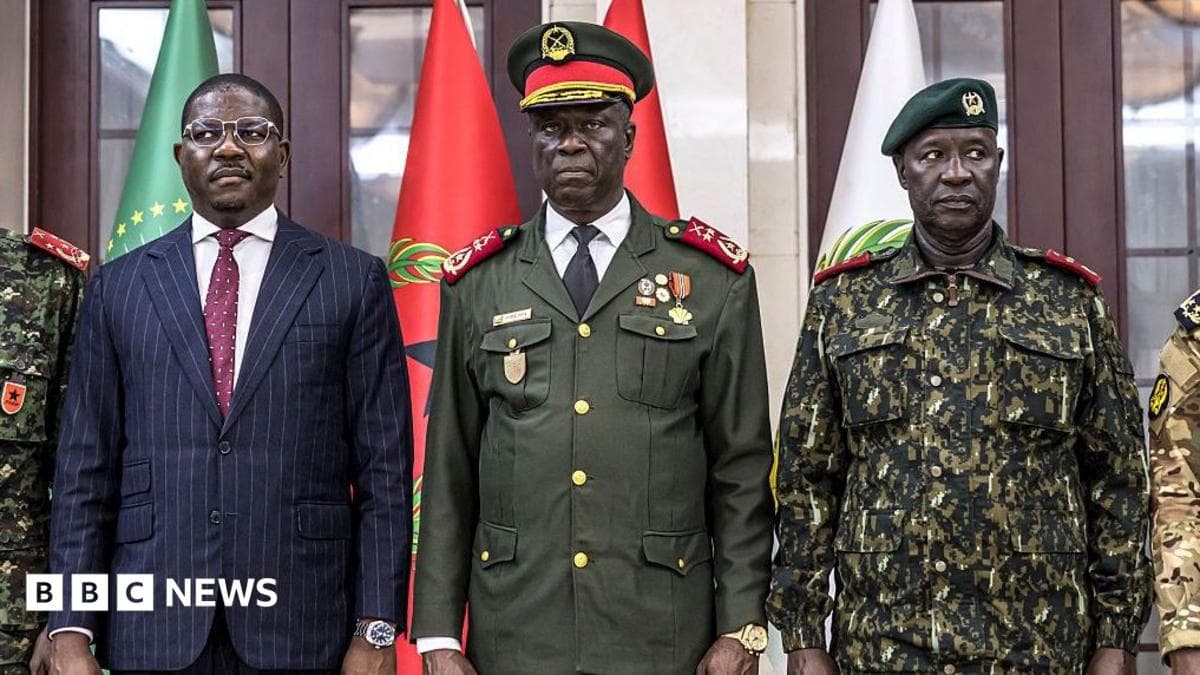
According to BBC reporting, Guinea-Bissau's military administration has postponed upcoming presidential and parliamentary elections by two years, moving the target date for a return to civilian governance to November 2028. The announcement arrives exactly one year after the armed forces seized power with an initial pledge to restore democratic order within 12 months.
Transitional authorities claim the extended timeline is necessary to address structural deficits before citizens head to the ballot boxes.
Prevailing Assumptions Versus Verified Electoral Realities
Outside observers and regional diplomats anticipated a prompt transition when the military deposed former President Umaro Sissoco Embaló in November 2025. The initial coup unfolded amid a contested electoral outcome where both Embaló and primary challenger Fernando Dias claimed victory just before provisional tallies were released. That political vacuum fostered widespread hope that a quick military caretaker period would stabilize state institutions.
Instead, the transitional leadership under Gen Horta N'Tam issued a decree pushing the vote from December to late 2028.
The core justification centers on systemic logistical shortfalls identified during preliminary electoral audits across the Africa bureau beat. In an official statement, the presidency pointed to missing operational infrastructure necessary to manage a nationwide ballot safely. Officials argued that rushing the process would compromise basic democratic standards across the West African state.
Logistical Bottlenecks Cited by the Transitional Presidency
State planners maintain that current institutional frameworks cannot support a credible national vote without extensive remediation. The official decree emphasized that polling infrastructure requires significant material overhauls to guarantee transparent outcomes for all participating factions.
technical, material and financial conditions
— Presidency Statement, Government of Guinea-Bissau
These deficits allegedly prevent election organizers from securing equal footing for rival political contenders. The administration insists that an extra 24 months will allow technical teams to modernize voter rolls and secure polling stations against regional instability.
Image: bbc.co.ukInternational Reaction and Regional Mediation Efforts
ECOWAS, the Economic Community of West African States, issued a terse communiqué on the same day the decree was published. The bloc warned that prolonged military rule could erode the credibility of its democratic charter, which obliges members to hold free elections at least every five years.
“We expect concrete steps toward a civilian transition, not indefinite postponements,” said ECOWAS Chairperson Omar Kaboré in a press briefing. His remarks reflected a broader regional anxiety that Guinea-Bissau’s delay might set a precedent for other fragile states.
UN Secretary-General Calls for Inclusive Dialogue
At the United Nations, Secretary-General António Guterres urged all Guinean parties to convene a national dialogue within three months. He highlighted that inclusive talks could surface “practical solutions to the logistical gaps” identified by the transitional government.
Guterres added that the UN Development Programme has already earmarked a modest fund to assist with voter-list digitization. The assistance, however, hinges on transparent procurement processes that the current military leadership has yet to detail.
Image: bbc.co.ukImpact on Civil Society and Economic Outlook
Local NGOs, many of which operate under precarious funding, voiced alarm over the extended timeline. Amnesty International’s Guinea-Bissau office released a brief warning that “prolonged military oversight often correlates with increased restrictions on freedom of assembly.”
Human Rights Watch echoed the concern, noting that the postponement could embolden security forces to tighten controls around public gatherings, especially in the capital Bissau where protests have historically sparked crackdowns.
Investor Confidence Rattles Amid Uncertainty
International investors, already wary after the 2025 coup, responded by pulling back on pending projects in the cashew and fisheries sectors. The African Development Bank announced a temporary suspension of a $120 million infrastructure loan pending a clear electoral calendar.
Local business leaders reported that the delay has forced several small-scale exporters to seek alternative markets, increasing costs and eroding profit margins. The ripple effect reaches informal traders who rely on predictable political cycles to plan seasonal inventory.
Timeline of the Coup and Transitional Decrees
November 2025 marked the night the military, led by Gen Horta N'Tam, entered the presidential palace and announced a takeover. The coup was justified as a response to alleged fraud in the November vote, though independent observers could not verify the claims before the coup cut off communications.
Within 48 hours, the junta declared a “temporary administration” and promised a return to civilian rule within a year. That promise held sway until early December 2025, when the transitional council issued its first decree, setting an initial election date for December 2026.
August 2026 Postponement Announcement
The August 2026 proclamation cited “technical, material and financial conditions” as reasons to push the vote to November 2028. The decree detailed a roadmap that includes renovating 1,200 polling stations, updating biometric voter registers, and training 5,000 election officials.
Critics argue that the roadmap’s milestones lack funding guarantees and that the 24-month extension may simply buy time for the military to consolidate power. Nonetheless, the transitional council insists that meeting the outlined benchmarks is essential for a “legitimate and peaceful” election.
Human Rights Groups Warn of Democratic Backsliding
Freedom House, in its annual assessment, downgraded Guinea-Bissau’s status from “partly free” to “not free” after the decree. The organization cited “restricted media access” and “intimidation of opposition figures” as key factors driving the downgrade.
Local journalist Maria Silva, who has covered political unrest for over a decade, described a climate of self-censorship that intensified after the military announced the postponement. “Reporters now weigh every word against the risk of being detained,” she told the BBC in an interview last week.
Opposition Leaders Face Legal Hurdles
Fernando Dias, the main opposition challenger, filed a petition with the Supreme Court demanding an immediate schedule for the elections. The court, however, postponed hearing the case until after the new election timeline was formally adopted by the transitional council.
Meanwhile, Embaló’s exile group filed a separate suit in a European court, alleging that the military’s actions violate the African Charter on Democracy. The case remains pending, and its outcome could influence future diplomatic pressure on the junta.
Prospects for a Credible Return to Civilian Rule
Analysts at the International Crisis Group argue that the success of the November 2028 elections will hinge on three interlocking factors: the ability to secure reliable voter data, the willingness of security forces to stay neutral, and the presence of credible domestic observers.
“If any of those pillars crumble, the election risks becoming a mere façade,” said senior researcher Lúcia Mendes. She added that regional bodies could deploy a monitoring mission, but only if the transitional government grants unrestricted access.
Potential Role of Regional Election Observers
ECOWAS has a standing election observation framework that could be activated once the electoral calendar is finalized. The framework typically dispatches a team of 200 observers, who monitor everything from voter registration to ballot counting.
Should the military permit full deployment, the presence of external monitors could deter ballot-box manipulation and reassure hesitant donors. Conversely, a refusal would likely deepen international isolation and prolong the country’s fiscal strain.
With November 2028 now the official deadline, Guinea-Bissau stands at a crossroads. The next months will reveal whether the extended timeline translates into genuine institutional reform or merely extends a period of military dominance. The world watches, and the Guinean people await a chance to decide their own future.
The Morning Brief
One email a day with the stories that matter. Free, forever.
No spam. Unsubscribe anytime.
Comments (0)
Be the first to share your thoughts.