
Japan's JERA Negotiates Power Plant Data Center Hubs with Anthropic and Meta
Japan's JERA is in talks with Anthropic and Meta to build AI data centers adjacent to Tokyo power plants.
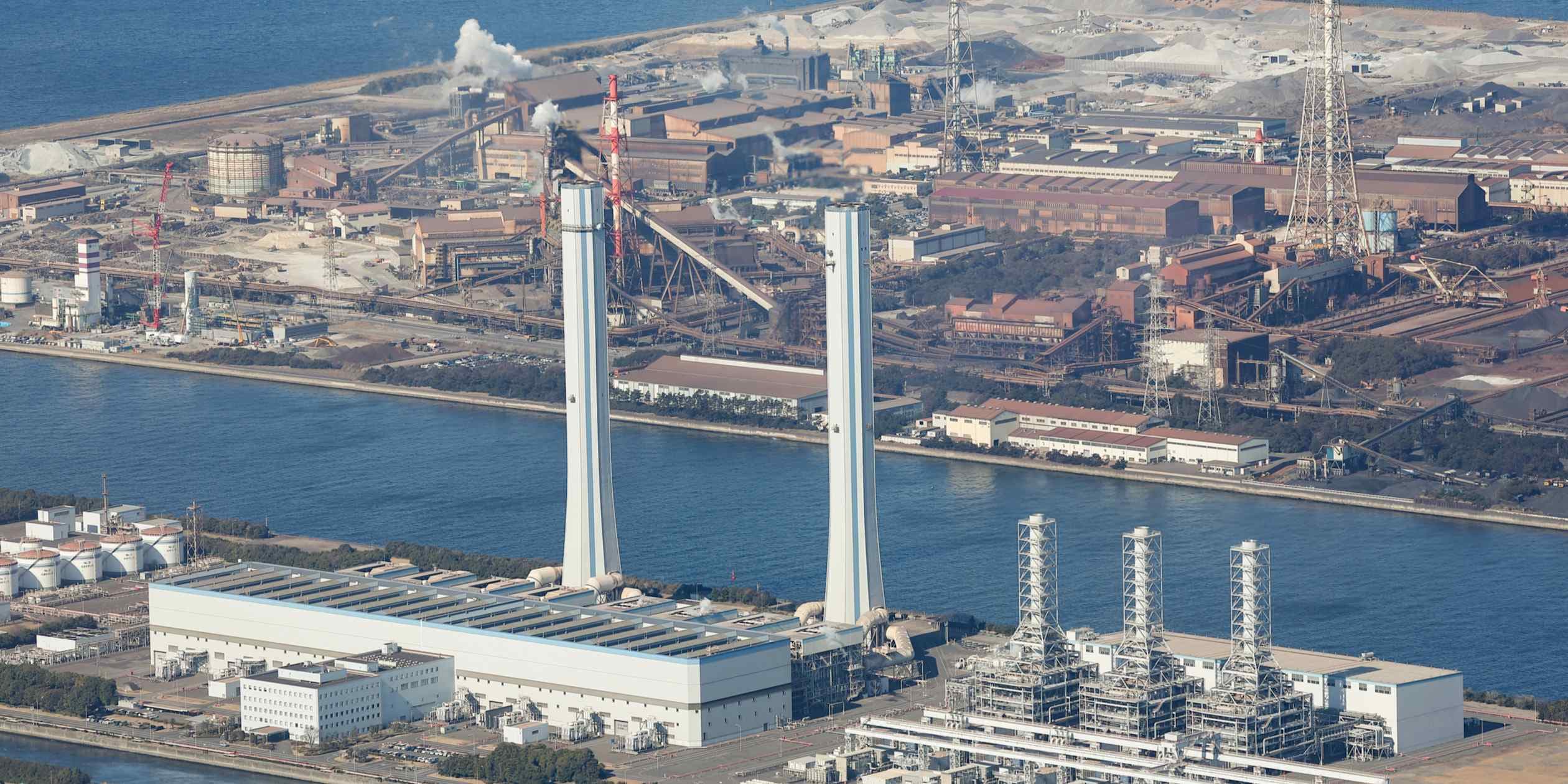
According to Nikkei Asia, Japanese energy giant JERA is currently in active talks with U.S. technology companies including Anthropic and Meta to construct data centers directly adjacent to power stations in the Tokyo region. The proposed infrastructure relies on a specialized energy delivery model designed to bypass conventional grid bottlenecks.
As artificial intelligence workloads drive unprecedented electricity demand across the Sci-Tech sector, utility operators face a race to secure direct power sources. JERA's strategy targets a zero-friction grid connection model that could fundamentally alter how large language models are powered.
Direct Site Integration at the Chiba Thermal Power Station
The core of the initiative centers on the Chiba Thermal Power Station, where JERA plans to host its initial large-scale server facility. Positioning compute clusters behind the physical utility meter removes transmission fees and avoids regional grid congestion entirely.
Overcoming Transmission Bottlenecks
Traditional urban distribution networks in Tokyo operate near peak capacity during summer and winter extremes. Connecting high-draw server clusters directly to generation assets isolates massive artificial intelligence workloads from municipal power supplies.
Securing Baseload Capacity for AI Workloads
Training models requires uninterrupted multi-megawatt power flows over months of continuous operation. Thermal power infrastructure provides the exact baseline stability that variable renewable generation cannot guarantee on demand.
Cooling Strategies for High-Density Racks
Heat removal accounts for up to 40 % of a data center's total energy use in a tropical climate. JERA intends to tap the plant’s existing cooling water loops, reducing the need for separate chillers. This integration slashes auxiliary power consumption and trims operating costs.
Fiber and Network Backbone Planning
Proximity to the power plant does not guarantee low-latency connectivity. JERA has earmarked a 1-km fiber trench that will link the server hall to existing submarine cable landing stations in Chiba Bay. The route bypasses downtown conduit bottlenecks, promising sub-millisecond round-trip times for AI inference.
Negotiating Behind-the-Meter Frameworks with U.S. Tech Giants
Discussions involve multiple major American platform operators seeking dedicated power allocations for generative models. Anthropic and Meta represent the primary tier of counterparties evaluating the Japanese utility's physical footprint.
Capital Allocation and Real Estate Constraints
Building massive server halls beside active thermal plants requires specialized engineering controls and significant upfront capital expenditure. JERA must balance its core power generation mandate against real estate developments tailored for specialized cooling and fiber connectivity.
Regulatory Hurdles in Japan's Energy Market
Japan's heavily regulated electricity market imposes strict legal definitions on direct power sales from generators to industrial end-users. Negotiating behind-the-meter exemptions requires navigating intricate Ministry of Economy, Trade and Industry guidelines.
Pricing Models and Power Purchase Agreements
Tech firms expect transparent, volume-based pricing that reflects both energy and ancillary services. JERA is drafting PPAs that lock in a fixed rate per megawatt-hour for a five-year term, shielding AI developers from spot-market spikes. The contracts also embed a clause for incremental capacity if model training expands.
Risk Management for Long-Term Contracts
Both sides face exposure to regulatory shifts and fuel-price volatility. JERA proposes a blended risk pool that shares cost overruns on carbon-capture retrofits. In return, the tech partners agree to a minimum utilization threshold, ensuring the plant runs near full load.
Evaluating the Quantitative Limits of Direct Energy Infrastructure
While the partnership model promises immediate power security for tech firms, market analysts urge caution regarding actual delivery timelines. Thermal plant conversions take years to clear environmental reviews and zoning boards.
The Reality Gap Between Memorandums and Concrete Capacity
Early-stage talks do not guarantee finalized construction contracts or guaranteed megawatts of compute delivery. Utility executives must reconcile multi-billion-dollar infrastructure investments against volatile artificial intelligence software monetization cycles.
Carbon Accounting Pressures on Thermal Generation Sites
Relying on thermal power stations creates friction for technology firms bound by strict corporate net-zero procurement targets. JERA will need to integrate low-carbon fuel alternatives or carbon capture mechanisms to satisfy foreign buyer mandates.
Grid Stability Impacts on Neighboring Customers
Diverting large blocks of baseload power to a private data center can shift voltage profiles across the surrounding network. JERA plans to install dynamic voltage regulators that keep residential supply within statutory limits, preserving service quality for nearby neighborhoods.
Timeline Benchmarks from Past Conversions
Japan’s last utility-backed data-center project at the Fukui Gas-Fired Plant reached commercial operation after 36 months of permitting and construction. JERA cites that precedent to argue a 30-month window for the Chiba site, assuming no major legal setbacks.
The Structural Shift in Regional Power Markets
This industrial pivot signals a broader convergence between heavy energy generation and digital infrastructure across Asian markets. Utilities are transforming from passive regional suppliers into active landlords for global computing platforms.
Emerging Competitors and Policy Responses
South Korea’s KEPCO and China’s State Grid have announced parallel pilot schemes, each pairing a coal-fired station with a cloud-provider campus. Regulators in Tokyo are drafting guidelines that could standardize behind-the-meter contracts, potentially leveling the playing field for foreign entrants.
Implications for Japan's Climate Commitments
Japan pledged to cut greenhouse-gas emissions by 46 % by 2030. Embedding AI workloads in thermal plants risks slowing progress unless JERA accelerates its shift to ammonia-based turbines or invests in offshore wind offsets. The next fiscal year will reveal whether the utility can meet both power-security and climate targets.
Stakeholders now watch a critical deadline: JERA must submit its final site plan to the Chiba prefectural government by 15 April 2025. The decision will determine whether the region hosts Japan’s first utility-spearheaded AI hub or whether tech firms must seek offshore alternatives.
The Morning Brief
One email a day with the stories that matter. Free, forever.
No spam. Unsubscribe anytime.
Comments (0)
Be the first to share your thoughts.