
Trump Open to Putin G20 Invitation Despite Ongoing Ukraine Conflict
President-elect Donald Trump has signaled openness to welcoming Russian President Vladimir Putin to a US-hosted G20 summit, challenging diplomatic isolation norms.
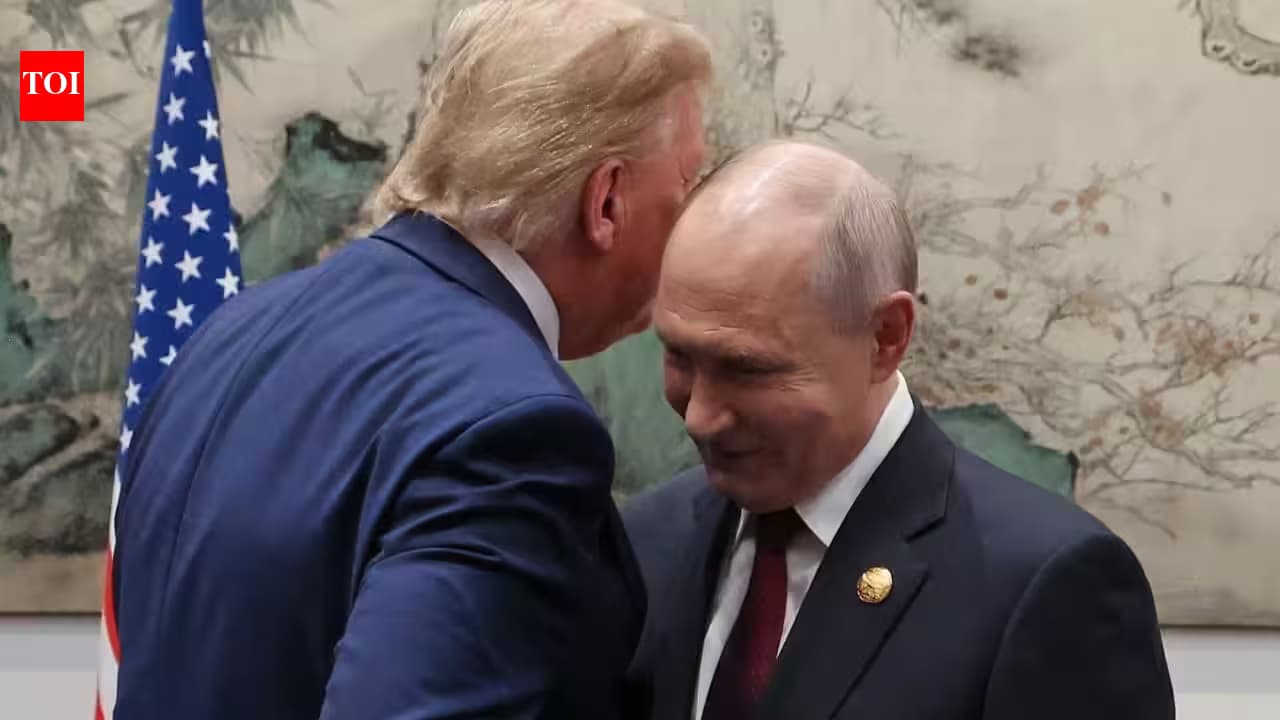
Diplomatic Signaling at the Center of Washington's Foreign Policy Shift
According to the Times of India and the New York Post, President-elect Donald Trump has publicly expressed openness to inviting Russian President Vladimir Putin to the G20 summit if the United States hosts the gathering. The statement arrives while active hostilities continue in Ukraine, signaling a sharp departure from standard diplomatic isolation strategies maintained by Western allies over recent years.
Washington observers note that such an invitation would instantly transform multilateral economic forums into contentious arenas for direct superpower negotiation. Senior officials in both parties recognize that bypassing traditional diplomatic gatekeepers alters the rhythm of international summits. Foreign ministries now scramble to draft talking points that address this sudden pivot without alienating key transatlantic partners.
Foreign policy analysts point out that the practical machinery of the Group of Twentieth requires consensus or broad acquiescence among members before special guest invitations are formally extended. The incoming administration appears willing to test longstanding diplomatic taboos surrounding high-level engagement with Moscow despite these structural hurdles. This calculated maneuver places traditional World News frameworks under immediate strain as European capitals assess the durability of allied sanctions and travel restrictions.
Logistical Hurdles and International Arrest Warrants
Hosting the Russian head of state on American soil involves substantial legal and security bottlenecks that extend far beyond simple summit etiquette. The International Criminal Court issued an active arrest warrant for Vladimir Putin in 2023 over alleged war crimes tied to unlawful deportation of children from Ukraine. Although the United States is not a state party to the Rome Statute, executing a presidential visit requires navigating complex federal jurisdiction, Secret Service threat assessments, and intense congressional pushback.
State Department veterans emphasize that even issuing a standard diplomatic visa under these conditions demands unprecedented interagency clearance. Federal immigration statutes contain specific clauses regarding human rights violations that lawyers would need to waive or reinterpret. Capitol Hill committees are already preparing subpoena requests for any internal State Department memos discussing travel exemptions.
Official skepticism surrounds whether the Russian leader would actually accept an invitation to travel across the Atlantic given ongoing security vulnerabilities and domestic political imperatives in Moscow. Kremlin spokespeople have historically conditioned foreign travel on mutual concessions and guaranteed diplomatic protections that Washington may hesitate to formalize publicly. The physical reality of summit logistics means security planners must prepare for simultaneous protests, boycotts from allied delegations, and intense media scrutiny.
Protocol Conflicts and Congressional Pushback on Russian Access
Congressional leaders from both parties have already signaled fierce opposition to granting high-level diplomatic credentials to a sanctioned head of state. Lawmakers control purse strings that fund federal law enforcement agencies tasked with protecting visiting foreign dignitaries during high-profile domestic events. This budgetary leverage gives Congress a direct mechanism to obstruct any unilateral executive branch invitation.
Security details face unprecedented operational nightmares when coordinating the movements of a heavily guarded foreign leader who is simultaneously hunted by international prosecutors. Allied intelligence agencies might withhold routine threat assessments if they fear sensitive security data could be compromised during high-level bilateral talks. These operational friction points threaten to paralyze standard summit preparation months before any foreign delegations board their flights.
Assessing the Strategic Calculus Behind the Open Invitation
President Trump voiced immediate doubts about whether Putin would actually attend the summit even if a formal invitation were dispatched from the White House. This pragmatic hedging allows the administration to project diplomatic flexibility without guaranteeing an awkward summit confrontation that could derail broader domestic policy priorities. International relations experts view the gesture as an opening gambit designed to test foreign capitals and compel European partners to recalibrate their own negotiating postures.
White House strategists understand that floating unconventional proposals forces adversaries and allies alike to reveal their hand early in an electoral cycle. European leaders who spent three years enforcing strict economic isolation must now explain to their domestic constituents how they plan to manage a U.S.-led diplomatic thaw. This friction exposes deep ideological divides within the European Union regarding the ultimate end goal of the ongoing sanctions regime.
Domestic critics argue that extending an open invitation rewards ongoing military aggression without extracting any concrete concessions from the Kremlin on battlefield withdrawals. Supporters counter that maintaining an empty chair policy has yielded zero diplomatic progress toward ending the conflict in Eastern Europe. The debate forces voters and lawmakers to weigh the moral cost of engagement against the practical necessity of opening communication channels.
Bilateral Channels Versus Multilateral Consensus
Shifting away from isolated multilateral condemnation toward direct bilateral bargaining alters the traditional architecture of global governance established over the past three decades. When major economic powers bypass regional allies to pursue transactional diplomacy, smaller member states lose leverage within standard Politics and trade forums. This dynamic forces foreign ministries worldwide to establish emergency diplomatic contingencies long before the official summit calendar is published.
Multilateral institutions rely on predictable norms and shared adherence to international legal frameworks to function effectively during global crises. Introducing a pariah state leader into the center of economic negotiations breaks those unwritten rules and empowers other authoritarian regimes to demand similar treatment. Smaller nations fear that bilateral deals struck behind closed doors will sacrifice regional stability for great power convenience.
Financial markets and global energy traders monitor these diplomatic signals closely for any indication that sanctions relief or trade normalization might follow a leader-level summit. While actual policy changes remain distant, the mere prospect of direct dialogue creates immediate volatility across commodity exchanges and sovereign debt markets. Foreign policy teams across Western capitals must now factor unpredictable summit invitations into their long-term strategic planning.
Market Volatility and Energy Sector Reactions to Diplomatic Shifts
Traders across global commodity exchanges adjusted natural gas and crude futures within hours of the initial Washington announcement. Energy companies operating in Europe must reevaluate long-term capital investments under the assumption that Russian hydrocarbons could eventually re-enter Western supply chains. This commercial uncertainty freezes multi-billion-dollar infrastructure projects designed to decouple continental energy grids from Moscow.
Corporate risk officers now utilize specialized geopolitical consultancies to track every presidential statement regarding potential sanctions rollbacks. Bond traders price sovereign debt issued by Eastern European front-line states using elevated risk premiums to account for unexpected diplomatic shocks. Every new headline from Washington triggers automated trading algorithms that amplify price swings across vulnerable asset classes.
Washington observers note that such an invitation would instantly transform multilateral economic forums into contentious arenas for direct superpower negotiation.
Foreign Policy Desk Analysis
Corporate boards in the defense and manufacturing sectors are quietly building compliance buffers to survive sudden regulatory changes driven by executive whim. Treasury department officials face the daunting task of reassuring jittery banking partners that existing sanctions remain fully in force despite the political rhetoric. The gap between White House signaling and statutory enforcement leaves multinational corporations stranded in a volatile compliance gray zone.
Bureaucratic Resistance and Intelligence Sharing Dilemmas
Career civil servants inside the Department of State and the Pentagon are already quietly documenting legal objections to any accelerated visa processing for sanctioned Russian officials. Internal dissent memos circulate through secure diplomatic channels, warning that bypassing standard vetting procedures violates established administrative law. These bureaucratic speed bumps serve as a persistent internal brake on executive overreach during foreign policy transitions.
Intelligence agencies from Five Eyes partner nations are reassessing what sensitive tactical data they can safely share with Washington if high-level Russian delegations gain physical access to American facilities. Counterintelligence divisions must design strict isolation protocols to prevent foreign intelligence gatherers from exploiting summit-related infrastructure access. The friction between political ambition and national security protocols ensures that planning a summit will test the limits of federal bureaucracy.
The Morning Brief
One email a day with the stories that matter. Free, forever.
No spam. Unsubscribe anytime.
Comments (0)
Be the first to share your thoughts.