
Three Rival Clubs Demand Ownership Change for Manchester City Amid Financial Probes
Rival club executives are pushing for Manchester City's owners to be forced to sell the club, testing the limits of the new Independent Football Regulator.
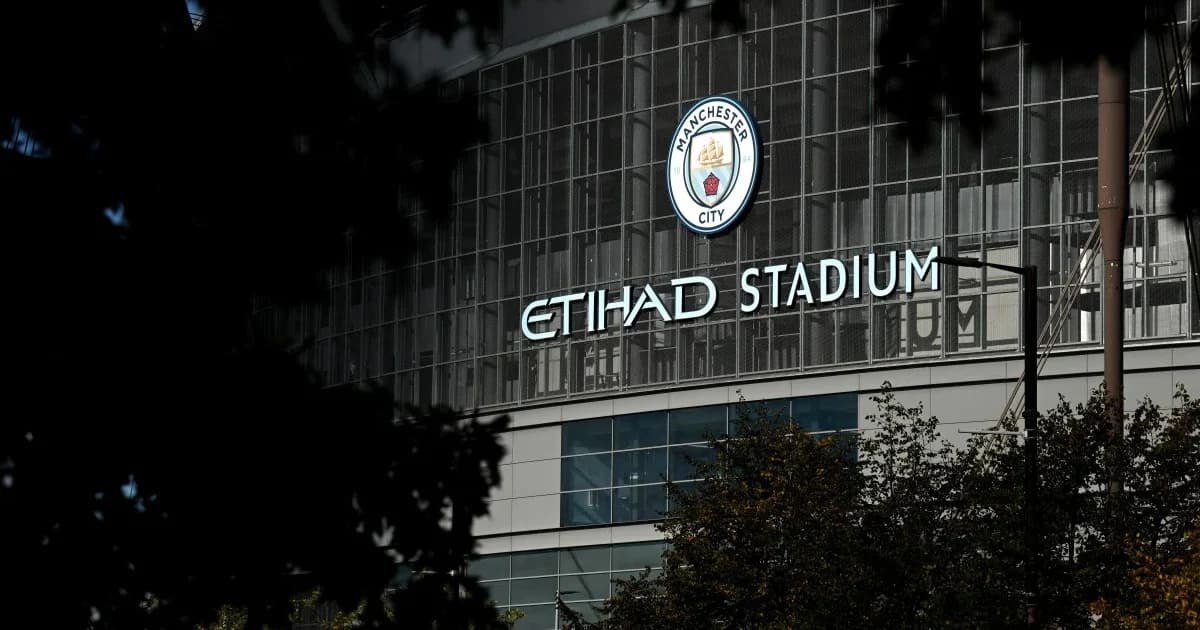
According to Punch Newspapers and BBC Sport, senior executives at three Premier League clubs have demanded that Manchester City's owners be forced to sell the club over historic financial regulation breaches. The escalating dispute centers on 3 distinct factions clashing over regulatory reach, legal exposure, and the long-term governance of English football.
The Rival Executives Pressing for Ownership Relinquishment
Three anonymous club chiefs argue that standard sporting penalties like fines or points deductions are insufficient to offset violations spanning from 2009 to 2018. They contend that inflated revenues and disguised losses under Abu Dhabi United Group ownership damaged league credibility beyond repair.
The executives say the league’s image suffered when televised accounts showed City reporting profit margins that far exceeded typical Premier League earnings. That gap, they argue, signaled a systemic advantage that other clubs could not match without breaking the same rules.
They also warn that sponsors and broadcasters may pull back if the perception of a “two-tier” competition persists. In that scenario, television revenue could shrink by an estimated 5-7 percent, a hit that would reverberate through the entire football ecosystem.
The Statutory Powers of the Independent Football Regulator
Pressure now rests on the Independent Football Regulator under Section 34 of the Football Governance Act. The statute grants the agency authority to investigate whether club owners meet strict standards of financial soundness, honesty, and integrity.
If an owner fails these tests, the regulator holds the statutory power to direct a formal ownership sale within a fixed timeframe. IFR chairman David Kogan addressed a parliamentary committee regarding this exact enforcement mechanism.
Forget the name of the club, forget the size of the club, forget the scale of the issue. We cannot simply ignore our statutory duties in relation to a club because it happens to be of a certain size.
— David Kogan, Chairman, Independent Football Regulator
Kogan confirmed that the agency possesses both the legislative mandate and the institutional resolve to intervene if necessary. IFR chief executive Richard Monks added that a £2 million litigation reserve is currently being assembled through club levies to absorb potential legal costs.
Financial Discrepancies from 2009-2018
During the nine-year window cited by the dissenting executives, Manchester City reported revenue spikes that outpaced the Premier League’s average growth rate by roughly 12 percentage points. Independent auditors later flagged inconsistencies between sponsorship contracts and actual cash inflows.
Those auditors noted that several “related-party” deals appeared to inflate the club’s balance sheet, a practice that would breach the league’s Financial Fair Play (FFP) guidelines introduced in 2011. The alleged misreporting created a competitive edge that rivals could not legally replicate.
Impact on Smaller Clubs
Smaller clubs, many of which rely on modest gate receipts and modest TV shares, fear that a lax response will cement a financial hierarchy. If the regulator refrains from ordering a sale, they argue, the message sent to lower-tier owners is that wealth can outweigh compliance.
Club CEOs from the Championship and League One have already voiced concerns in recent meetings of the Professional Footballers’ Association. They claim that an uneven playing field threatens long-term investment in youth academies and community programs.
Manchester City Defense and the Disputed Finding Timeline
Manchester City's legal team rejects both the findings and the proposed remedies outright. The club maintains that the independent commission's ruling is flawed across multiple legal and factual dimensions.
Club representatives previously characterized the commission decision as containing clear material errors of law, principle, and fact. They maintain that a comprehensive body of irrefutable evidence supports their ongoing appeals against the verdict.
City’s counsel points to a 2020 audit that cleared the club of any wrongdoing under the prevailing FFP rules. That audit, they argue, should supersede the newer commission’s conclusions, which rely on retroactive interpretations.
The Financial and Diplomatic Stakes of Enforced Sale
Beyond sporting penalties, an ownership removal order risks touching wider geopolitical sensitivities between the United Kingdom and the United Arab Emirates. The UAE maintains substantial capital investments across various British infrastructure and commercial sectors.
Regulatory officials acknowledge that any attempt to force out a state-backed ownership group would trigger unprecedented litigation. Chief executive Richard Monks noted that while the agency expects to recover expenses from successful litigation, unsuccessful challenges could inflate administrative levies across other Sports entities.
Legal Grounds for the Appeal
Manchester City’s lawyers cite three core legal arguments: first, that the commission exceeded its statutory remit; second, that the evidentiary standards applied were inconsistent with prior FFP cases; and third, that the proposed sale timeline violates due-process guarantees under the European Convention on Human Rights.
They have already filed a pre-injunction request with the High Court, seeking to pause any enforcement action until a full judicial review is completed. If granted, the injunction would buy the club several months to marshal additional financial documentation.
Procedural Timeline
The IFR announced in March that it would issue a formal notice of intent within 30 days, followed by a 90-day window for the owner to propose a compliant exit plan. Should the owner miss that deadline, the regulator can issue a compulsory sale order.
City’s legal team argues that the timeline disregards the time needed to unwind complex cross-border financing structures. They estimate that untangling those deals could require up to 18 months, far beyond the regulator’s current schedule.
Where the Balance Tips Between Regulation and Resistance
The core tension lies in the gap between statutory authority and practical enforcement limits. While the IFR commands explicit legal tools under the Football Governance Act, deploying them against a state-backed enterprise introduces high financial risk and complex diplomatic fallout.
Rival executives insist that credibility requires maximum intervention, while City's defense relies on exhaustive appeals and evidentiary pushback. As the appeal process unfolds, the regulator faces a defining test of its operational independence against the most powerful financial forces in modern Business & Finance.
Potential Costs to the IFR
Should the regulator pursue a forced sale and lose, the £2 million litigation reserve could be exhausted quickly. Legal fees for cross-jurisdictional disputes often exceed £500 000 per case, and the regulator may need to raise additional levies on all Premier League clubs.
Those extra levies could translate into higher operational budgets for clubs, potentially prompting a cascade of budget cuts in community outreach, stadium upgrades, or youth development programs.
Future of Governance
Observers note that the outcome will shape how future ownership inquiries are handled. A decisive IFR victory could embolden the agency to scrutinize other high-profile owners, including those linked to sovereign wealth funds.
Conversely, a setback may force Parliament to revisit the Football Governance Act, possibly tightening the criteria for imposing ownership sales or redefining the regulator’s remit. Either path will reverberate through the next transfer window and beyond.
The Morning Brief
One email a day with the stories that matter. Free, forever.
No spam. Unsubscribe anytime.
Comments (0)
Be the first to share your thoughts.