
Israeli Strike Kills Two MSF Workers Outside Gaza Clinic As Charity Demands Probe
An Israeli military strike outside a Gaza medical clinic killed two MSF staff members, raising the charity's wartime death toll to 17 as accountability demands mount.
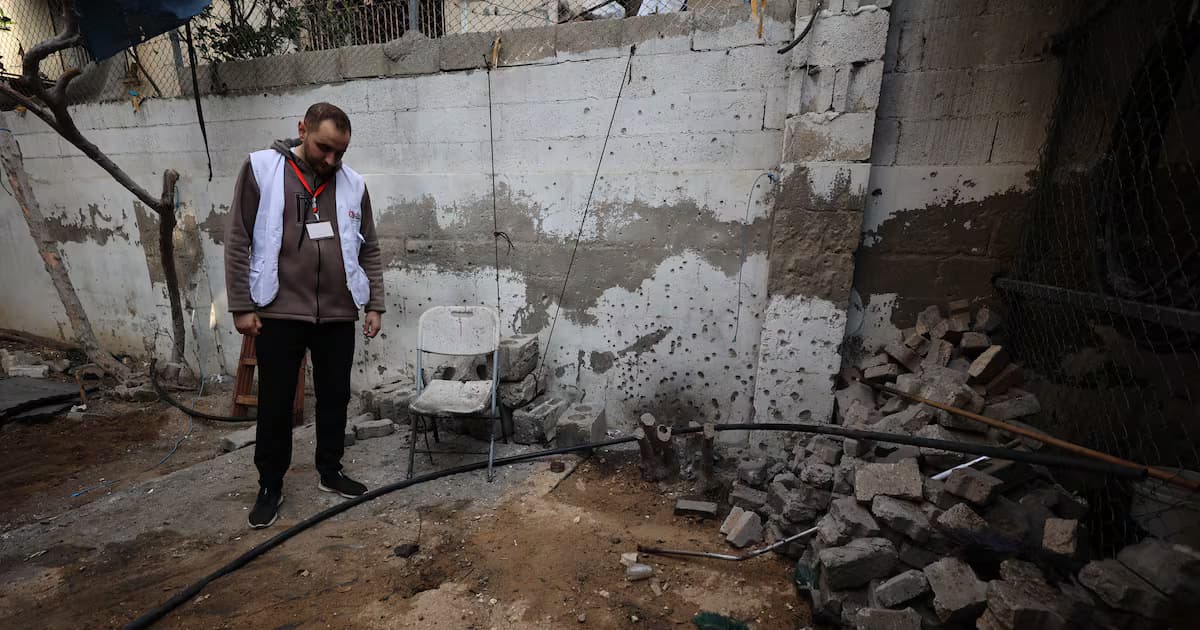
According to reporting from The Irish Times, an Israeli military strike killed two Médecins Sans Frontières staff members outside a medical clinic in Gaza late Friday. The incident pushes the medical charity's total staff death toll in the ongoing conflict to 17 personnel. The strike immediately triggered sharp denunciations from humanitarian advocates and conflicting operational claims from military officials.
Global humanitarian networks track developments across the Middle East through continuous updates on World News feeds as security incidents escalate near protected healthcare sites. Independent monitoring organizations continue documenting the mounting friction between humanitarian access and ongoing military operations across the territory.
Tracing the Immediate Sequence of the Strike
The fatal projectile impacted directly outside an active MSF medical facility late Friday evening. Operating personnel on site confirmed the facility was actively housing medical staff and local patients when the blast occurred.
Geographic Coordination and Visual Markers
Charity leadership emphasized that the physical compound carried explicit visual identifiers designating its humanitarian status to all combatants.
Our premises were clearly marked with MSF logos, and their location had been communicated to and was known by the Israeli military.
— Médecins Sans Frontières, Doctors Without Borders
Logistical officers routinely share exact GPS coordinates with all belligerents to prevent accidental targeting during active engagements. MSF representatives stated that transmission logs confirmed receipt of these coordinates by military command structures prior to the strike.
Military Allegations and Operational Status
The Israel Defense Forces acknowledged executing the strike but countered humanitarian claims by asserting the deceased individuals maintained active militant ties. Military spokespersons stated that the targeted personnel functioned as combatants within the region.
According to military statements, the two workers were identified as terrorists posing as humanitarian workers. MSF officials did not immediately issue public replies regarding the specific military allegations concerning the staff members, who reportedly worked as watchmen for the facility.
Escalation Dynamics on the Ground
Local eyewitnesses reported hearing incoming artillery moments before the blast shook the perimeter walls of the compound. Communications blackouts frequently complicate immediate verification efforts, leaving rescue crews delayed for hours following strikes. Medical teams inside the clinic had to improvise triage stations in dark corridors when windows shattered from the concussive force.
Security protocols demand that field teams shelter in reinforced rooms whenever explosions occur nearby. This forced isolation delays casualty counts and prevents immediate emergency evacuations for wounded personnel trapped outside the main building. The sequence highlights the extreme vulnerability of medical outposts located near active urban frontlines.
Image: irishtimes.comEvaluating International Law and Protected Status
Under international humanitarian law, medical facilities and relief personnel maintain protected status during armed conflicts. Belligerents face strict legal thresholds before launching operations near or against designated healthcare infrastructure.
Legal Provisions Governing Medical Infrastructure
International treaties prohibit direct assaults on hospitals and clinics unless their protected status becomes legally forfeit. Such a forfeiture typically requires clear evidence that a facility is being utilized for military acts outside its humanitarian function.
Israel has maintained a consistent operational posture throughout the current conflict, arguing that militant factions systematically embed combat operations within civilian and medical infrastructure. Previous military actions near facilities like Nasser hospital involved similar assertions regarding underground tunnel networks and armed personnel.
Friction Points Between Relief Groups and Militaries
Humanitarian organizations frequently push back against these justifications, demanding independent verification and transparent evidentiary standards. Rights advocates argue that military forces have routinely failed to provide sufficient proof to strip specific clinics and hospitals of their legal protections.
This ongoing dispute over infrastructure use creates severe operational paralysis for international aid groups trying to maintain basic care. MSF previously suspended selective hospital operations earlier this year due to concerns regarding armed individuals entering medical wards.
Verification Challenges in Urban Warfare
Independent legal observers note that verifying military claims during active hostilities remains nearly impossible without unhindered access for international monitors. International humanitarian law requires proportional responses, obligating commanders to weigh civilian casualties against concrete military gains before every strike.
Military commands rarely publish their internal targeting intelligence immediately following disputed incidents. This information gap leaves relief organizations relying on internal logs and witness testimonies to contest official military narratives. Legal experts warn that this evidentiary deadlock erodes the foundational protections established by the Geneva Conventions.
Image: irishtimes.comAssessing the Wider Humanitarian Toll in Gaza
The loss of two more staff members deepens the operational crisis facing medical NGOs operating inside active combat zones. Relief agencies report mounting casualties among local doctors, nurses, and support staff as hostilities persist.
Cumulative Casualties Among Aid Personnel
With these two fatalities, the total number of MSF personnel killed since the war began reaches 17 individuals. Each casualty forces remaining teams to reevaluate field safety protocols and emergency evacuation procedures.
Supply chains, fuel allocations, and staff rotations face continuous disruption from active combat and shifting exclusion zones. Local health authorities struggle to maintain basic triage capacities as more facilities sustain damage or lose staff.
Accountability Demands and Ongoing Investigations
MSF leadership has formally demanded a thorough accounting of the operational decisions that led to Friday's strike. International observers continue to press for independent inquiries into how protected facilities and registered aid workers are targeted during urban engagements.
As diplomatic channels debate humanitarian access protocols, medical teams on the ground face daily choices regarding risk and patient survival. The fundamental tension between military necessity and humanitarian protection remains entirely unresolved.
Systemic Strain on Local Healthcare Networks
Hospitals across the territory operate far beyond maximum capacity, lacking basic anesthetics, antibiotics, and clean surgical gauze. Doctors frequently perform emergency procedures on the floor using smartphone flashlights when backup generators run out of fuel. Each targeted clinic or lost staff member removes another vital node from a collapsing medical safety net.
International aid workers now weigh the certainty of civilian casualties against their mandate to treat the sick and wounded. The resulting staff shortages force remaining clinicians to work continuous shifts without adequate rest or food. These compounding pressures threaten to halt remaining medical interventions before diplomatic talks produce any viable ceasefire framework.
The Morning Brief
One email a day with the stories that matter. Free, forever.
No spam. Unsubscribe anytime.
Comments (0)
Be the first to share your thoughts.