
Two American Airlines Jets Clip Wings While Taxiing at Washington National Airport
Two American Airlines jets clipped their wingtips while taxiing at Reagan National Airport at 5:10 PM ET, prompting an immediate FAA probe and emergency response.
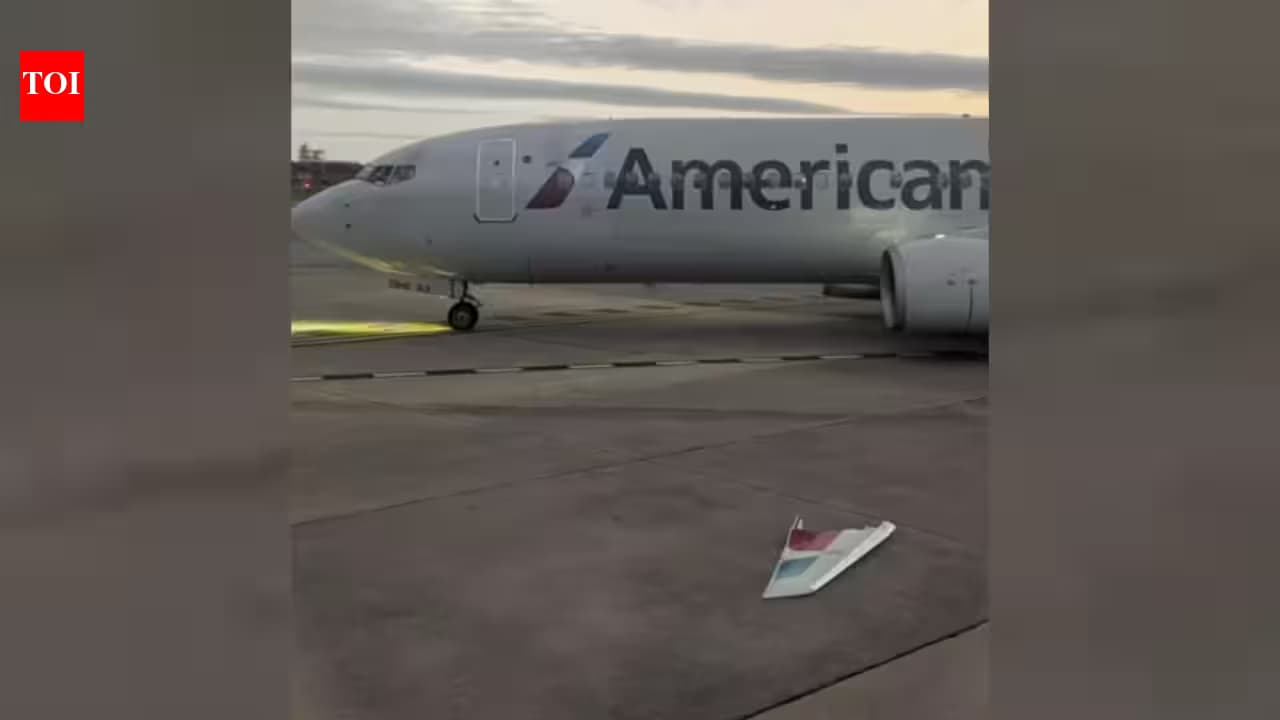
How the Ground Collision Unfolded at Reagan National
According to The Times of India and The Straits Times, two American Airlines aircraft clipped their wingtips while moving across the tarmac at Ronald Reagan Washington National Airport. The physical contact occurred at approximately 5:10 PM Eastern Time on the airfield. This unexpected impact immediately triggered a formal emergency response from airport ground services as twilight settled over the busy transportation hub.
Ground crews scrambled equipment toward the taxiway to secure the scene and inspect both aircraft for structural damage. Passengers aboard the affected regional flights waited as emergency personnel evaluated the wings and surrounding tarmac. Aviation safety experts note that ground maneuvering collisions, while rare at high speeds, present distinct challenges during peak operational hours when dozens of airframes move simultaneously.
Immediate Emergency Response and Passenger Status
Federal officials confirmed that zero injuries were reported among passengers or flight crew members following the wingtip strike. Emergency responders boarded both aircraft shortly after the incident to conduct initial safety sweeps and verify cabin integrity. Passengers were subsequently deplaned and escorted back to the terminal while transport authorities assessed the extent of the structural damage.
Terminal processing areas quickly filled with displaced travelers seeking rebooking options after carriers pulled the two disabled regional jets from active service. Ground personnel distributed meal vouchers and directed passengers toward customer service counters to sort out delayed connections. Airline representatives worked through the evening hours to find alternative flights for stranded customers whose itineraries depended on the sidelined airframes.
Airport Congestion and Afternoon Taxiway Pressures
Ronald Reagan Washington National Airport handles heavy volumes of regional traffic on constrained taxiways situated along the Potomac River. Afternoon departure pushes routinely test ground controller coordination as dozens of aircraft queue for active departure runways. Taxiway geometry at the facility often leaves narrow margins for error when two large transport category jets maneuver simultaneously in close proximity.
Tight physical boundaries limit how wide controllers can space taxiing aircraft during rush hour banks, increasing the risk of surface conflicts. Narrow pavement strips force pilots to navigate complex intersections where wing clearance depends entirely on precise adherence to painted centerline markings. When multiple carriers push back from adjacent gates at the same time, the available maneuvering room shrinks rapidly across the ramp.
Image: timesofindia.indiatimes.comFederal Aviation Administration Investigation Protocols
The Federal Aviation Administration immediately opened an active probe to determine the exact sequence of events leading up to the wing strike. Investigators from the federal agency began reviewing ground radar logs, flight data recorder readouts, and air traffic control audio recordings from the tower. Air safety officials examine every instance of surface contact to identify potential breakdowns in clearance instructions or visual separation.
Investigators routinely interview flight crews, ramp tower supervisors, and wing walkers to piece together the exact visibility and communication conditions present in the cockpit. The National Transportation Safety Board monitors these proceedings closely to determine whether wider operational changes are warranted across commercial aviation hubs. Every piece of physical evidence collected from the tarmac gets cataloged to match against digital sensor data pulled from the airframes.
Reviewing Air Traffic Control Communications
Investigators are currently cross-referencing instructions issued by ground controllers with the positional telemetry transmitted by both aircraft transponders. Transcripts from the control tower will establish whether taxi clearances accounted for overlapping turning radiuses on the congested tarmac. Surface surveillance equipment at major hubs like Reagan National records precise lateral movements down to individual feet, giving investigators a clear digital reconstruction.
Audio engineers in federal laboratories isolate background chatter on tower frequencies to catch subtle hesitations or overlapping transmissions between controllers and flight decks. Misheard taxi instructions frequently sit at the center of surface incidents, making voice analysis a cornerstone of any aviation safety probe. Controllers must manage multiple radio frequencies at once, balancing departure queues with incoming arrivals exiting high-speed turnoffs.
Airline Maintenance Checks and Fleet Impact
American Airlines engineering teams took charge of both airframes to conduct rigorous ultrasonic testing on the affected wing spars and control surfaces. Even minor wingtip scrapes can compromise composite structures or internal fuel cell seals, requiring extensive hangar evaluations before returning to service. Flight schedules across the carrier's regional network faced cascading delays as substitute aircraft were routed in to cover cancelled rotations.
Hangar technicians use specialized nondestructive testing tools to detect microscopic fractures hiding beneath the outer aluminum and composite skin of the wingtips. Replacing a damaged wingtip assembly demands specialized tooling and certified parts that may not sit readily available at smaller maintenance bases. These unexpected grounding orders ripple outward, forcing dispatchers to cancel connecting segments and juggle fleet assignments across eastern regional hubs.
Image: timesofindia.indiatimes.comBroader Ramifications for National Airfield Safety
Surface incidents across busy United States airfields continue to draw intense scrutiny from federal safety regulators and congressional oversight committees. Ground safety has emerged as a top priority following several high-profile near-misses on runways and taxiways nationwide over recent years. Industry analysts point out that staffing shortages among controllers and surging post-pandemic passenger volumes continue to strain airport infrastructure.
Airport operators face mounting pressure to install advanced surface detection systems that warn controllers and flight crews before paths intersect on the pavement. Federal funding allocations now prioritize upgrades to runway status lights and ground radar tracking to give personnel better tools during low-visibility operations. These technological additions aim to bridge the gap between human oversight limits and the sheer volume of daily aircraft movements.
Regulatory Reforms and Congressional Oversight
Lawmakers on transportation committees regularly summon aviation executives and union leaders to testify about staffing stress and operational safety metrics. Congressional inquiries demand concrete timelines for rolling out upgraded ground collision avoidance technology across all major commercial airports in the country. Pressure from Capitol Hill forces federal agencies to accelerate safety audits and tighten enforcement of standard taxi procedures.
Airlines and airport authorities must report every minor surface scrape or near-collision to a centralized database monitored by federal aviation researchers. This data helps safety experts spot recurring bottlenecks at specific facilities before minor wing scrapes escalate into catastrophic runway incursions. Federal regulators use these findings to draft mandatory training bulletins that airlines must incorporate into their recurrent pilot training programs.
Future Infrastructure Challenges at Reagan National
Physical expansion at Reagan National remains severely constrained by surrounding federal property, dense urban development, and strict environmental boundaries near the river. Airport planners cannot simply widen taxiways or add new pavement to accommodate growing regional fleets without federal legislative approval. Operators must instead squeeze more efficiency out of the existing footprint through better scheduling software and optimized ground routing.
Readers following developments in national infrastructure and transit policy can explore related updates through our World News section. The findings from the federal probe into the Reagan National incident are expected to feed directly into updated surface navigation guidelines for congested airports. Air traffic controllers and airline dispatchers will ultimately decide how these new guidelines reshape daily operations on the crowded eastern tarmac.
The Morning Brief
One email a day with the stories that matter. Free, forever.
No spam. Unsubscribe anytime.
Comments (0)
Be the first to share your thoughts.