
Gwira Banso Welcomes First Police Station After Years of Insecurity
A new police station opens in Gwira Banso, ending years of insecurity and promising faster response times for the 20,000‑strong community.
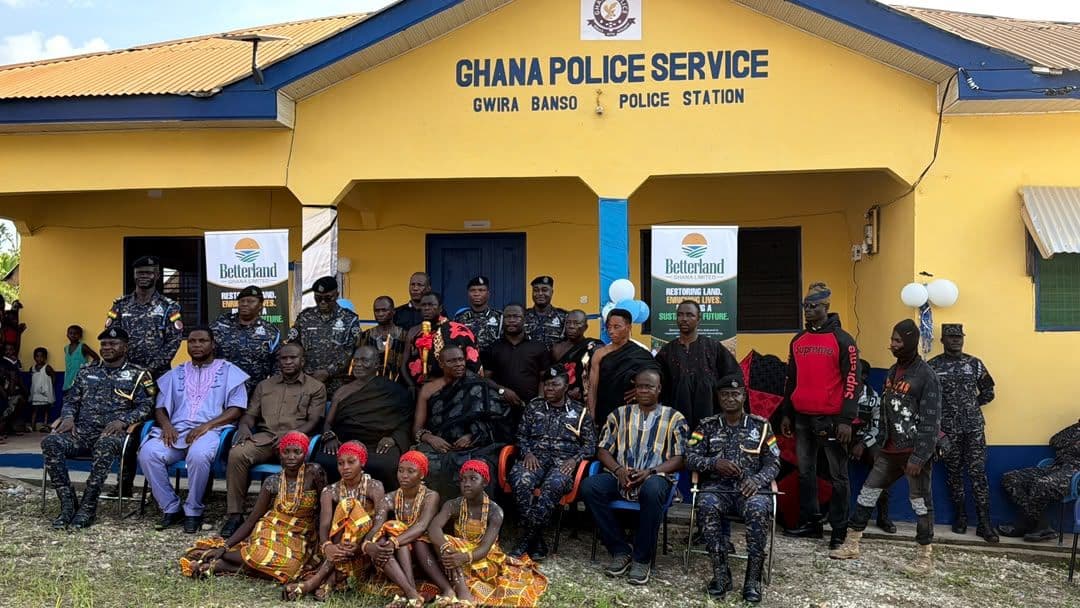
According to 3news.com, a crowd of over 500 residents, chiefs and municipal officials gathered on Friday, November 20, to cut the ribbon on a new police station that finally brings a permanent security presence to the Gwira Banso community of more than 20,000 people.
The ceremony marked the end of a five‑year struggle for a building that had been structurally finished but sat idle for months because the officers who would staff it had nowhere to live.
Why it matters for everyday life
For families in the Nzema East Municipality, the new station changes the rhythm of daily life. Earlier this year, a mother in Gwira Banso recounted how she hesitated to send her teenage son to market after dark because the nearest police post was over twenty kilometres away. With the station now within walking distance, response times to distress calls are expected to shrink from hours to minutes, a shift that could mean the difference between a thwarted robbery and a lost livelihood.
The presence of uniformed officers also signals to potential investors that the area is becoming safer for small businesses, agricultural processing firms and tourism operators who have long eyed the region’s coastal appeal.
From broken promise to finished project
The police station’s foundation was laid in September 2022 under the New Patriotic Party (NPP) administration. Initial optimism faded when the structure sat empty, its doors barred by a logistical snag: no accommodation for the seven officers required to keep the station operational.
Local leaders, led by paramount chief Nana Etia Akyere II, repeatedly appealed to municipal and regional authorities, arguing that without a police presence, the community remained vulnerable to petty crime, drug abuse and occasional violent clashes between rival groups.
In early 2023, the Western Regional Police Commander, DCOP Dede Koshie Enninfui, visited the site and warned that a building without staff was merely a symbol of unfulfilled promises. “This is not just a building; it is a symbol of commitment to peace, security, justice, and protection of lives and property,” she said during the November ceremony.
When the accommodation gap persisted, Betterland Ghana Limited stepped in, offering housing for the seven officers. The private‑sector intervention transformed the stalled project into a functional police post, illustrating how public‑private partnerships can overcome bureaucratic bottlenecks.
Community ownership and future expectations
During the ribbon‑cutting, DCOP Enninfui urged residents to treat the station as a shared responsibility. She reminded the crowd that “the safety of Gwira Banso is now a shared responsibility” and asked locals to report credible information that could help the police apprehend criminals.
Mayor Herbert Kua Dickson, speaking on behalf of the Nzema East Municipal Chief Executive, thanked President John Dramani Mahama and Regional Minister Joseph Nelson for their support. He emphasized that the station’s strategic location will shorten response times and boost patrol coverage across surrounding villages.
In a light‑hearted moment that drew laughter, the commander relayed a colleague’s advice: “Please, don’t go for the girls in the town.” The joke underscored the expectation that officers treat every citizen with dignity, fairness and respect.
Traditional authorities, especially Nana Etia Akyere II, were praised for their perseverance. The commander called the chief “the foundation of everything,” highlighting how local leadership can catalyze national resources.
Looking ahead, community members plan to organize neighborhood watch groups that will collaborate with the police, report vandalism, and help maintain the station’s facilities. Such grassroots involvement is expected to reinforce the rule of law and deter the criminal activities that have plagued the area for years.
For small traders, the new station means they can leave their stalls open later in the evening without fearing theft. For students, it offers a safer route home after school. And for farmers, it provides a point of contact when livestock are stolen or crops are vandalized.
The commissioning also sent a signal to other underserved districts across Ghana: when a community unites around a common goal and partners with both government and private firms, infrastructure that once seemed out of reach can become a reality.
What comes next?
While the station is now staffed, the police force will need sustained community cooperation to keep crime rates down. Authorities have asked residents to share “credible information” that could lead to arrests, a request that hinges on trust between officers and citizens.
Regional officials have pledged to allocate additional resources for patrol vehicles and mobile communication equipment, ensuring that the station can respond quickly to incidents beyond its immediate vicinity.
Meanwhile, Betterland Ghana Limited’s involvement raises questions about how similar public‑private models could be replicated for health clinics, schools and water projects in other parts of the Western Region.
As the sun set on the ceremony, the crowd’s applause echoed a collective hope: that the police station will not only deter crime but also become a hub for community dialogue, development initiatives and a tangible sign that the government is listening to ordinary Ghanaians.
“We must collectively discourage criminal activities, drug abuse, violence, and other conduct that threatens the safety and harmony of our communities,” the municipal chief executive reminded the audience, sealing the day’s promise with a call to action.
The Morning Brief
One email a day with the stories that matter. Free, forever.
No spam. Unsubscribe anytime.
Comments (0)
Be the first to share your thoughts.