
UK sanctions eight firms over West Bank settlement construction, sparking Israeli backlash
The UK has blacklisted eight companies involved in West Bank settlement projects, a step that could reshape financing for the disputed area and ignite diplomatic tensions.
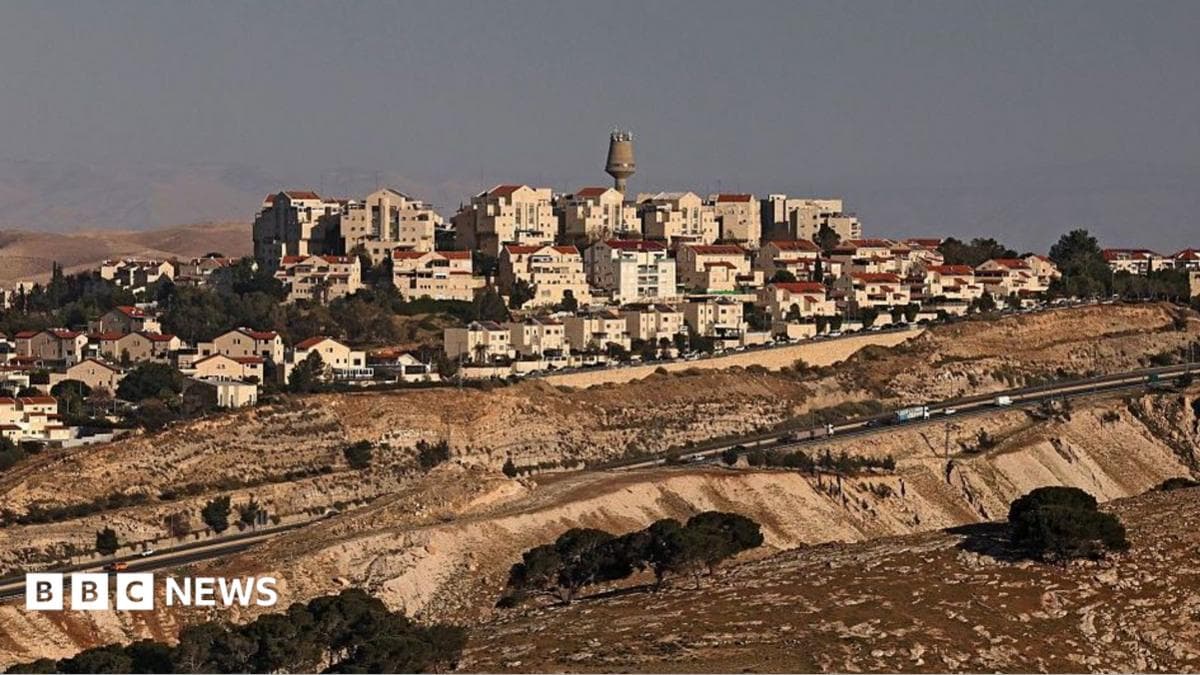
UK sanctions eight firms over West Bank settlement construction, sparking Israeli backlash
Eight construction and property‑development firms have been placed on the United Kingdom’s sanctions list, the first package of measures since London announced a tougher stance on Israeli activity in the occupied West Bank. According to the BBC, the move aims to disrupt the firms’ financing and curb further building in the contentious territory.
Why it matters
The sanctions arrive amid a surge in settlement expansion that the international community deems illegal under international law. By targeting the companies that provide the bricks, mortar and financing for new neighbourhoods, the UK hopes to pressure Israel to halt projects that it says make a viable two‑state solution increasingly unattainable. The timing is critical: the announcement comes two days before the deadline for bids on construction tenders in the E1 area, a swathe of land east of Jerusalem that would, if built, split the West Bank and cut it off from East Jerusalem.
Scope of the sanctions
The eight firms named in the sanctions list are all active in the E1 development plan, a project the UK Foreign Secretary has called a “deal‑breaker” for any future Palestinian state. In addition to the construction companies, the UK also targeted Tzav 9, an Israeli activist movement the government says has organised blockades to stop aid reaching Gaza. The movement responded that it is “a movement of abiding citizens from all the political spectrum, and we’ve always protested peacefully.”
British Foreign Secretary Ed Miliband said the sanctions are part of a broader “human rights sanctions regime” that the UK expanded last month, allowing it to act against anyone involved in violations of international humanitarian law anywhere in the world. He added that the government is drafting separate legislation to ban the import of goods from Israeli settlements and to prohibit UK advertising services for settlement properties.
Reactions from Jerusalem and Ramallah
Israeli Foreign Minister Gideon Saar blasted the sanctions as a “hostile act targeting private, law‑abiding companies.” Writing on X, he warned that Israel would respond with “countermeasures” and that “decisions will be announced in due course.” Saar also asserted that Israel would not “bow to external pressure or change its policies as a result,” and promised to “consider new ways to strengthen Jewish communities” in the West Bank.
The Palestinian foreign ministry welcomed the move, urging other nations to follow suit. It framed the sanctions as a rare instance of a major power using economic levers to confront settlement expansion, and called the UK’s stance a “step towards accountability.”
Broader diplomatic context
London’s actions follow a series of escalations between the two governments. In September, the UK announced a ban on imports from Israeli settlements and said it would act against companies and individuals facilitating settlement growth. Israel retaliated by threatening to close the British consulate in East Jerusalem; the consulate remained open as a “UK mission” after most diplomats left.
Since the 1967 war, Israel has built about 160 settlements housing roughly 700,000 Jews, while an estimated 3.3 million Palestinians live alongside them. The recent spike in settler‑related attacks on Palestinians and their property, which intensified after the October 7, 2023 Gaza conflict, has added urgency to calls for international pressure.
What the data can and cannot prove
While the sanctions list provides a clear signal, the data on how effectively such measures curb settlement growth remain limited. Financial disruptions can delay projects, but construction firms often find alternative funding routes, especially when state‑backed entities are involved. Moreover, the sanctions do not address the underlying political decisions that approve new neighbourhoods. Analysts therefore caution against assuming the sanctions alone will halt expansion; they are one tool among many in a complex diplomatic toolkit.
What’s next
Britain’s next steps include finalising legislation to ban imports from settlements and to prohibit UK‑based advertising for settlement real‑estate. The UK government says it will monitor compliance and consider further measures if the E1 project proceeds. Israel’s promised “countermeasures” have not yet materialised, but Israeli officials have hinted at legal challenges and increased support for settlement developers.
For Palestinian authorities, the sanctions provide a diplomatic boost, yet they also highlight the need for broader international coordination. If other European nations adopt similar policies, the economic pressure on settlement firms could intensify, potentially reshaping the financing landscape for new construction.
In the coming weeks, the world will watch whether the UK’s punitive approach translates into tangible on‑the‑ground change or remains a symbolic gesture in a protracted conflict.
All figures and statements are drawn from the BBC report dated 2026‑11‑20.
The Morning Brief
One email a day with the stories that matter. Free, forever.
No spam. Unsubscribe anytime.
Comments (0)
Be the first to share your thoughts.