
Trump Warns of "Tremendous Tax" for US Tech Firms Building AI Data Centres Abroad
Trump warns of a hefty tax on U.S. tech firms that build AI data centres overseas, raising questions about policy details and global AI competition.
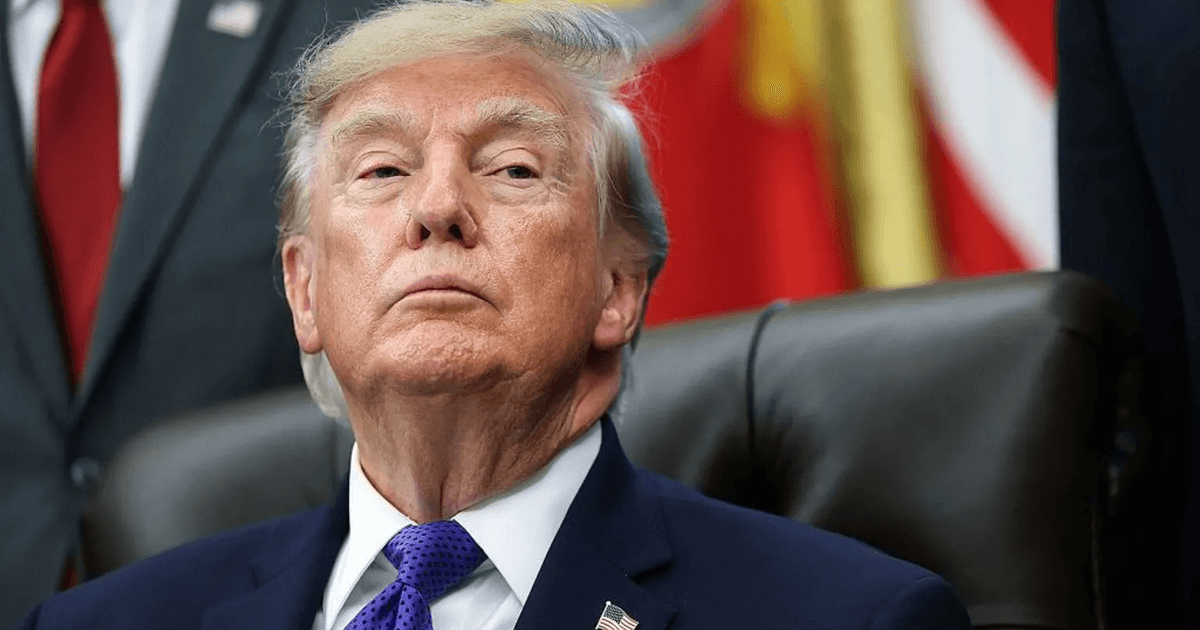
According to MyJoyOnline, President Donald Trump announced a plan to bar U.S. companies from constructing AI data centres outside the United States, threatening a "tremendous tax" on firms that defy the rule.
He made the claim during a press briefing after returning from Asia, insisting that "we're going to keep it all in this country." The statement arrived without any details on how the policy would be implemented.
Why it matters
AI data centres are the backbone of the rapid expansion of generative AI tools such as Claude and ChatGPT. They house the advanced chips and servers needed to train and run large‑scale models. As of April, the Pew Research Center counted roughly 3,000 centres operating in the United States, with another 1,500 in various stages of approval or construction.
Midterm elections earlier this year turned data centre siting into a political flashpoint. Democratic candidates promised stricter local oversight, citing concerns over noise, energy use, and environmental impact. Trump’s threat flips the debate, framing overseas construction as a national‑security risk rather than a community issue.
Enforcement hurdles
The proposal raises immediate questions about enforceability. No legislative text has been released, and the administration has offered only a verbal warning. Without clear legal language, it is uncertain how a "tremendous tax" would be assessed or collected.
Earlier this week, Washington announced a licensing requirement for firms seeking advanced chips, aimed at preventing their diversion to Chinese companies. That move shows the administration can impose export controls, but extending similar authority to construction projects abroad would likely require new legislation or executive orders.
Tech giants have already begun overseas ventures. Meta broke ground on a data centre in Alberta, Canada, while Anthropic signed a long‑term lease for a proposed site in Nova Scotia. Google announced a €13 billion investment in AI infrastructure in Finland, including three new centres, two of which were halted over forest‑clearance concerns.
If a ban were enforced, companies could face hefty penalties for existing contracts, retrofitting projects, or relocating equipment. The lack of a clear regulatory framework makes the threat appear more political posturing than an actionable rule.
Implications for overseas projects
Countries in Southeast Asia have positioned themselves as attractive destinations for AI hyperscalers, offering cheaper energy and fewer local objections. Chinese firms, in particular, are seeking to rent computing power from overseas sites to sidestep domestic restrictions.
A U.S. ban would reshape that landscape. Nations like Canada, which have welcomed data centre development with fewer community pushbacks, could see a surge in demand from American firms seeking a domestic‑friendly alternative.
Conversely, European projects such as Google’s Finnish centres might stall if U.S. firms fear punitive taxes. The Finnish halt on forest clearing already illustrates how environmental scrutiny can delay construction; a new tax threat would add a financial disincentive.
Domestic communities stand to benefit from the president’s rhetoric about turning data centres into "tremendous assets." He suggested that rural areas with abundant energy could host facilities that pay local taxes and create jobs. Yet critics argue that without robust oversight, the promised benefits could be unevenly distributed.
Industry analysts note that the United States leads the world in data centre construction, but China is rapidly expanding its own capacity. Trump’s comments echo a broader strategy to keep AI leadership within national borders, a theme that has surfaced in multiple policy proposals this year.
For U.S. tech firms, the immediate priority is to monitor any legislative drafts that could codify the ban. Companies may also reassess risk management strategies for overseas investments, weighing potential tax liabilities against the strategic advantage of global data‑centre footprints.
Stakeholders are watching for clarification from the Treasury and the Commerce Department, which would likely play key roles in defining the tax mechanism and enforcement procedures.
What comes next?
The administration has not released a formal policy document, leaving the business community in a state of uncertainty. Lawmakers may introduce bills to either formalize the ban or block it, turning the issue into a partisan battleground.
Meanwhile, AI developers continue to demand more computing power, a need that could pressure the White House to adopt a more nuanced approach. The tension between national‑security concerns and the global nature of AI research is likely to shape policy debates for months to come.
Reporters will track any official statements, legislative filings, and corporate responses as the story develops.
The Morning Brief
One email a day with the stories that matter. Free, forever.
No spam. Unsubscribe anytime.
Comments (0)
Be the first to share your thoughts.