
France Approves Police Self‑Defence Presumption Amid Rising Protests and Outcry
France's Senate voted 205‑110 to grant police a presumption of legitimate self‑defence, igniting protests and a legal challenge that could reshape accountability.
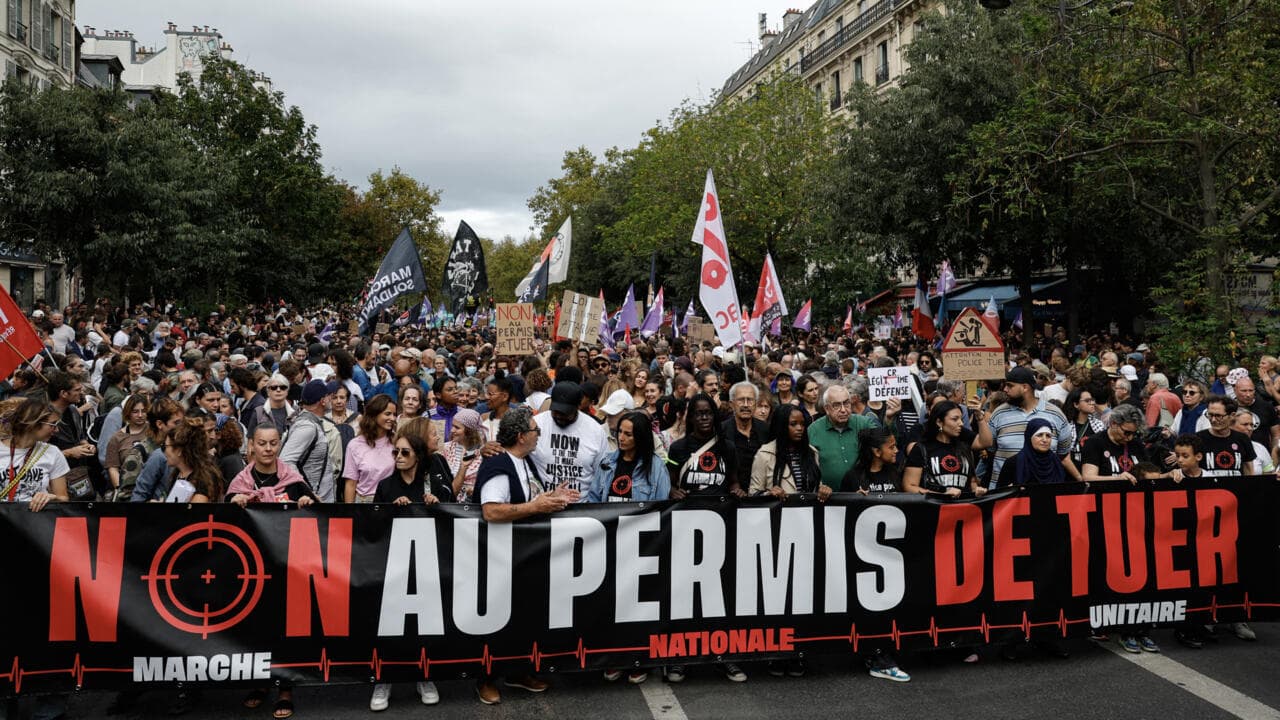
The real story isn’t just a vote; it’s the legal shield that now lets French police fire with a presumption of legitimacy. According to France 24, the Senate voted 205‑110 on Friday to grant officers a presumption of lawful self‑defence whenever they use their weapons.
Why the law matters now
This amendment arrives at a volatile moment. Over the past weeks, student‑led demonstrations against government policies have reignited public scrutiny of police conduct. Activists argue that the new provision—dubbed a “licence to kill” by critics—will make it far harder to launch investigations into shootings, especially in the chaotic context of crowd control.
France’s Human Rights League warned that the text would "block the opening of an investigation in the event of a police shooting following a failure to comply" with a traffic stop or protest‑related stop. The organization fears that the presumption of legitimacy will become a procedural barrier, effectively insulating officers from criminal accountability.
Political forces behind the bill
Backers of the legislation include the ruling government and the far‑right National Rally, the party of Marine Le Pen. Their argument centers on protecting officers from what they describe as an "automatic practice of taking into custody" anyone who fires a weapon. Interior Minister Laurent Nuñez framed the measure as a correction of a reflex that, in his view, unjustly questions the demanding daily work of security forces.
Supporters contend that without such protection, officers could be deterred from acting decisively in life‑threatening situations, potentially endangering public safety. They point to previous incidents where officers faced legal repercussions after using firearms in what they deemed self‑defence, arguing that the new law restores balance between state authority and individual rights.
Opposition parties, primarily from the left, have pledged to challenge the law before France’s Constitutional Council, the nation’s highest constitutional authority. A successful appeal could halt the legislation before it takes effect, preserving the current investigative framework for police shootings.
Implications for French society and policing
If enacted, the presumption of legitimacy could reshape the relationship between law‑enforcement agencies and the communities they serve. Studies and reports have repeatedly shown that young men perceived as Arab, Black, or from North Africa are four times more likely to be stopped by police. Critics argue that the new law could exacerbate existing disparities, making it even more difficult to address alleged bias or excessive force.
Moreover, the timing of the vote—just days after protesters were wounded during clashes with police—has intensified public anger. Demonstrators have already announced plans to sue Interior Minister Nuñez, alleging that the legislation undermines accountability mechanisms and violates fundamental human‑rights standards.
International observers note that France’s approach diverges from a broader European trend toward greater police transparency. While some countries are tightening oversight, France is moving in the opposite direction, prompting debate about the nation’s commitment to upholding civil liberties.
What to watch next
The next critical juncture will be the Constitutional Council’s review. If the council finds the law unconstitutional, it could send the bill back to parliament for revision or strike it down entirely. Conversely, a green light would cement the presumption of legitimacy, likely prompting renewed protests and possibly legal challenges in European courts.
Beyond the council’s decision, civil‑society groups are expected to ramp up monitoring of police incidents, gathering data to test whether the new legal shield translates into fewer investigations or changes in officer behaviour. Watch for statements from the Human Rights League and other watchdogs as they assess the law’s impact on accountability.
Finally, the political fallout could reshape upcoming electoral dynamics. Parties on the left may capitalize on public dissent to rally support, while right‑wing factions might use the legislation as evidence of their commitment to law‑and‑order policies.
For ongoing analysis of how this legislation intersects with France’s broader security and civil‑rights agenda, follow our coverage in the Politics section.
The Morning Brief
One email a day with the stories that matter. Free, forever.
No spam. Unsubscribe anytime.
Comments (0)
Be the first to share your thoughts.