
Nine Judges Find Myanmar Guilty of Rohingya Genocide in Historic ICJ Verdict
A 9‑6 ICJ ruling finds Myanmar guilty of genocide against the Rohingya, marking a historic first and raising questions about enforcement and future international cases.
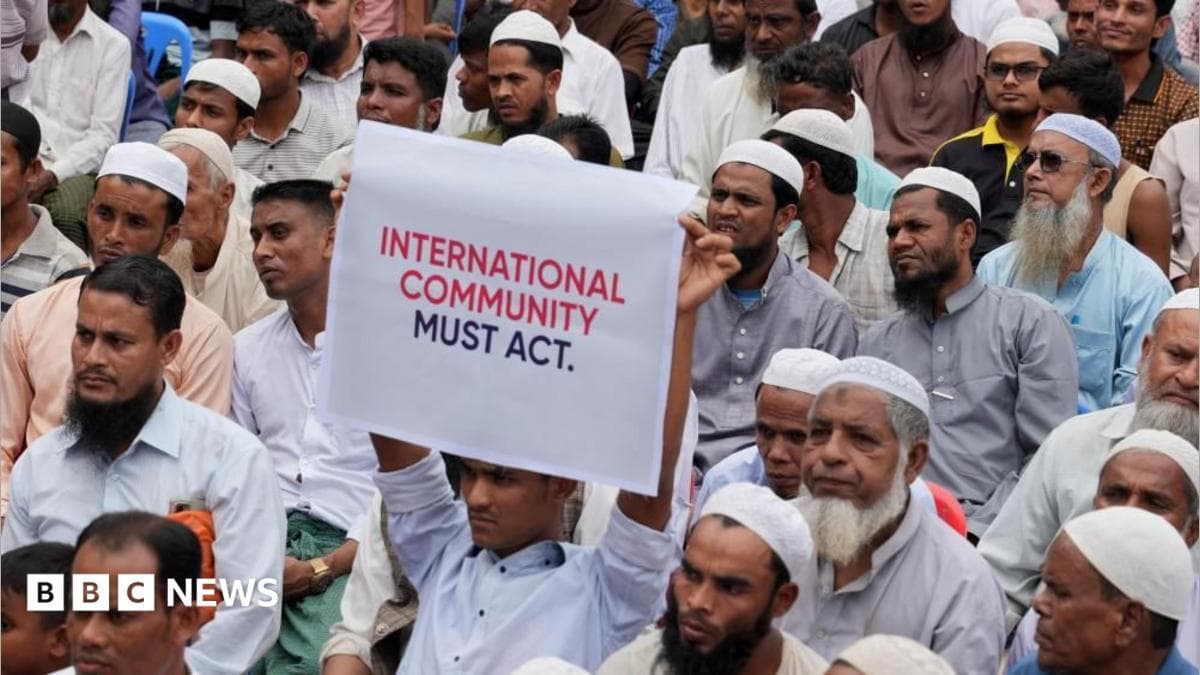
According to BBC, nine judges on the International Court of Justice voted 9‑6 on Thursday to declare Myanmar guilty of genocide against its Rohingya minority, marking the first time an international court has ever found a state to have committed the crime.
The ruling, delivered by ICJ President Yuji Iwasawa, concluded that Myanmar’s military "intention to destroy" a substantial part of the Rohingya population was the only reasonable inference from the evidence presented. The decision follows a decades‑long legal battle brought by The Gambia, which accused Myanmar of orchestrating a campaign of mass killings, sexual violence and forced displacement.
Why the verdict matters
The judgment carries weight far beyond the courtroom. It confirms that the systematic killings, village burnings and rapes documented in 2017 constitute genocide under the 1948 Genocide Convention. By doing so, the court has set a legal precedent that could influence other pending cases, including South Africa’s lawsuit against Israel over the Gaza conflict. The finding also obligates Myanmar to pay reparations, though the exact amount will be determined later.
Human rights advocates see the ruling as "formal recognition of our suffering," a sentiment echoed by Rohingya refugee Mohammed Nowkim, now living in Canada. The decision reinforces the moral and political pressure on governments worldwide to act, from the United Nations to individual donor nations.
What the court examined
The Gambia’s case focused on the 2017 "clearance operations" in Rakhine State, triggered after attacks by the Arakan Rohingya Salvation Army (Arsa) on more than 30 police posts. The ICJ determined that Myanmar’s armed forces, aided by local Buddhist mobs, launched a wave of indiscriminate killings, sexual violence, and the deliberate burning of homes. The judges estimated that around 10,000 Rohingya were violently killed during the operation, while more than 700,000 fled to Bangladesh by foot or sea. In total, approximately 815,000 Rohingya were found to have been targeted in some way.
Iwasawa highlighted the "extensive destruction of evidence" – bodies burned, sites bulldozed, and records erased – as a further indication of state intent. The court also noted that the government’s anti‑Rohingya hate‑speech campaign, which portrayed the minority as "sub‑human" and a "violent threat," overlapped with the military’s actions, amplifying the risk of mass violence.
International reactions and next steps
World leaders responded swiftly. UK Foreign Secretary Ed Miliband announced the expulsion of Myanmar’s defence attaché and signaled renewed sanctions against the military junta. The United States, the leading donor for Rohingya humanitarian aid, said it would study the decision to assess its implications, emphasizing the "paramount importance" of a proper interpretation of the Genocide Convention.
Human Rights Watch called the ruling "long‑awaited recognition of the suffering the Rohingya have endured," while UN human‑rights chief Volker Türk described the verdict as a "stain on the conscience of humanity" that must translate into concrete action. Legal scholars such as Philippe Sands KC, who helped bring the case, likened the judgment to historic moments of international justice, placing it alongside Nuremberg and the Pinochet trials.
Despite its moral force, the ICJ is not a criminal court and lacks direct enforcement mechanisms. Implementation will depend on political pressure, particularly from the UN Security Council, and on the willingness of states to hold Myanmar’s military officials accountable.
Implications for other genocide cases
The Myanmar judgment reshapes the legal landscape for future genocide claims. By affirming that rape and sexual violence can constitute acts of genocide, the court has broadened the evidentiary framework for other allegations. South Africa’s pending case against Israel, for example, may now face a higher evidential bar, as the court’s reasoning in Myanmar could be cited by both sides.
Legal analyst Antonia Mulvey noted that the decision rejects Myanmar’s counter‑terrorism defence and establishes a precedent that could make it harder for states to hide mass atrocities behind security narratives. The ruling also signals to the international community that systematic oppression, even when framed as anti‑terrorism, can be judged as genocide when intent to destroy a protected group is evident.
For the Rohingya, the verdict offers a measure of justice but not immediate relief. Hundreds of thousands remain in refugee camps in Cox’s Bazar, Bangladesh, where they watched the decision unfold on a large screen. The court’s call for reparations and its acknowledgment of the atrocities may bolster future negotiations for safe return, citizenship rights, and compensation.
As the world watches, the challenge now lies in converting legal recognition into tangible outcomes – from prosecuting perpetrators to rebuilding lives shattered by a campaign of terror.
The Morning Brief
One email a day with the stories that matter. Free, forever.
No spam. Unsubscribe anytime.
Comments (0)
Be the first to share your thoughts.