
Lagos High Court Issues Arrest Warrant for Fountain of Life Pastor Jimmy Odukoya
A Lagos State High Court has ordered the arrest of Fountain of Life senior pastor Jimmy Odukoya after he failed to appear for contempt proceedings.
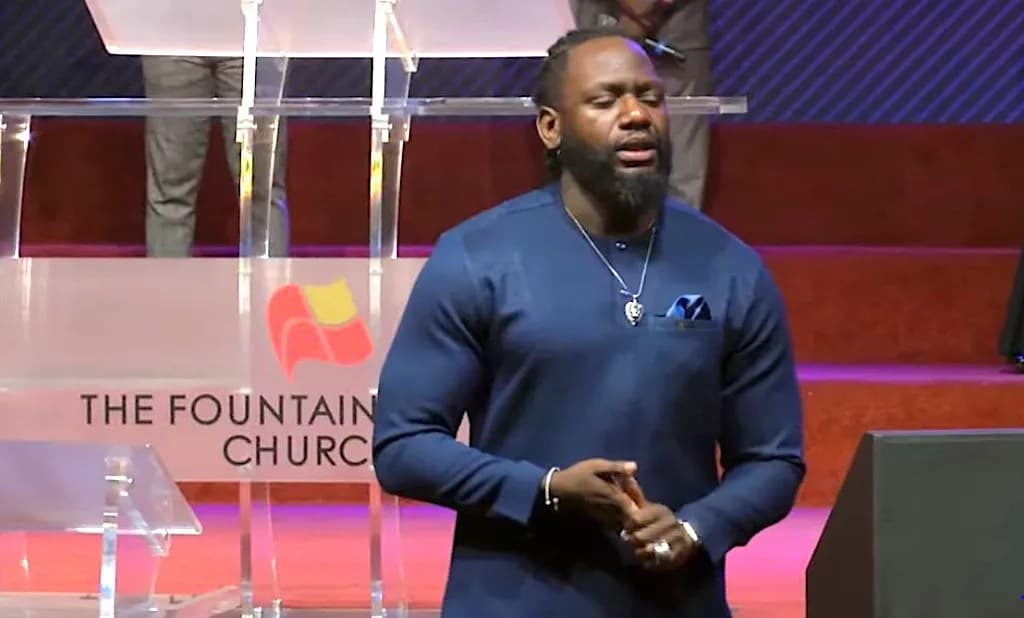
According to Premium Times, a Lagos State High Court has issued a formal warrant for the arrest of Jimmy Odukoya, the senior pastor of The Fountain of Life Church, following his absence from scheduled contempt proceedings. Justice O. Adewunmi-Oshin ordered the arrest on Thursday after Mr Odukoya failed to answer allegations that he violated an injunction barring him from acting as the church's spiritual head.
The legal standoff centers on specific operational mandates issued by the court under suit number LD/0126PRA/2026. Court documents filed by the Incorporated Trustees show that the judicial friction involves strict procedural steps rather than informal church disagreements. Tracking these institutional requirements reveals how the dispute escalated from internal governance board letters to active contempt filings.
How Justice Adewunmi-Oshin Enforced the 18 November Ex Parte Order
The underlying dispute began when Justice Adewunmi-Oshin issued an ex parte order on 18 November. This judicial directive explicitly barred Mr Odukoya from claiming the senior pastor title, either directly or through proxies. The order also prohibited any interference with church governance or disruption of scheduled religious activities.
Substituted Service and Form 48 Delivery Parameters
Because initial personal service proved difficult, the court authorized specific delivery methods for Form 48 and related documents. The approved channels included newspaper publication, physical posting at a known Lagos address, and electronic delivery. This multitiered service mechanism was designed to eliminate claims of ignorance regarding the injunction. Court bailiffs documented each delivery step to satisfy strict statutory evidence standards before moving toward penal notices.
Without proper service verification, judges won't advance to contempt citations. The trustees' legal team submitted affidavits confirming that newspaper spreads and physical postings were completed on schedule. These filings left little room for procedural defense regarding notice receipt. Yet the pastor's camp maintained that the underlying jurisdiction itself remained deeply flawed.
Contempt Proceedings Triggered by Non-Appearance
Despite these authorized delivery channels, Mr Odukoya did not attend Thursday's hearing. His absence prompted Justice Adewunmi-Oshin to issue the arrest warrant and direct that the case file be returned to the administrative judge for reassignment. Court officials also restricted journalists from covering the proceedings inside the courtroom. This sudden security clampdown highlighted the volatile nature of the high-profile religious litigation.
Bench warrants strip defendants of legal leeway when orders are ignored directly. The judge's directive requires law enforcement officers to bring the senior pastor before the bench to answer for the missed court date. Legal experts watching the docket note that purging contempt now demands an immediate physical surrender. The administrative reassignment further delays any substantive hearing on the merits of the injunction.
Succession Frameworks and Internal Governance Friction
The institutional conflict emerged from competing interpretations of the 1992 founding document established by the late Taiwo and Bimbo Odukoya. The trustees maintain that Mr Odukoya ceased to hold the senior pastor position after a designated successor was purportedly appointed under the church constitution. Public announcements from the board named Rotimi Okpaise as interim spiritual and administrative leader.
This transition triggered fierce pushback from loyalists who view the board's maneuvers as hostile corporate overreach.
Conversely, Mr Odukoya and his supporters rejected the board's removal resolutions. They insisted that his tenure remains valid under the church's governing framework. To challenge the board's actions, Mr Odukoya filed a separate suit at the Federal High Court in Lagos, naming several trustees and his sister, Tolu Odukoya, as respondents.
That parallel filing asks federal judges to invalidate the trustees' resolutions as unconstitutional. Multi-court strategies often mire religious bodies in endless procedural loops.
Board Resolutions vs. Pastoral Mandates
The board anchors its authority in the registered corporate bylaws governing church property and financial assets. Trustees argue that pastoral appointments cannot supersede explicit constitutional termination clauses approved decades ago. They view their intervention as a necessary defense of institutional stability against rogue leadership. The corporate structure leaves little room for hereditary claims if formal trustee votes go against the incumbent.
On the other side, congregational defenders point to decades of grassroots community building and spiritual continuity. They contend that spiritual authority flows from the pulpit rather than corporate boardroom paperwork. This philosophical chasm turns every Sunday service into a referendum on organizational power. Neither side is willing to cede control of the prominent Lagos pulpit without a definitive appellate ruling.
Operational Repercussions Across Church Networks
The leadership dispute has created visible friction between administrative trustees and pastoral staff. While legal battles unfold across state and federal jurisdictions, regular congregational schedules continue under competing leadership claims. Public notices from church digital channels still advertise weekly gatherings like the Thursday Showers service, even as court officers enforce compliance measures. Congregants navigate conflicting announcements from pulpits and press releases every week.
This division extends into institutional recognition and financial oversight. The trustees rely on formal constitutional succession clauses, while supporters point to ongoing pastoral duties and community engagement. As administrative files move between judicial benches for reassignment, neither faction has yielded ground on the substantive control of the institution. Bank accounts remain heavily monitored while corporate governance battles play out in public view.
Financial Oversight and Digital Messaging Wars
Control over the church's banking channels and tithe collection mechanisms forms a silent front in this war. Trustees have moved to secure corporate accounts to prevent unauthorized operational spending by the pastoral faction. Meanwhile, digital media teams loyal to Mr Odukoya continue broadcasting services across YouTube and social media. These online streams project an image of business as usual while bailiffs hunt for the senior pastor across Lagos.
The public relations battle leaves donors and international partners caught in an awkward compliance bind. Corporate sponsors and affiliated ministries must decide which faction holds legitimate signatory authority over institutional funds. Every court filing alters the delicate balance of operational power within the sprawling religious network. The coming weeks will test whether state law enforcement agencies execute the warrant or if appellate intervention halts the arrest order.
Justice O. Adewunmi-Oshin ordered the arrest on Thursday after Mr Odukoya failed to answer allegations that he violated an injunction barring him from acting as the church's spiritual head.
Premium Times
The Morning Brief
One email a day with the stories that matter. Free, forever.
No spam. Unsubscribe anytime.
Comments (0)
Be the first to share your thoughts.