
Amazon Threatens Five-Dollar New York Order Surcharge Over Delivery Partner Bill
Amazon warns NYC shoppers of a $5 order surcharge as the City Council debates a bill banning subcontracted delivery fleets across the five boroughs.
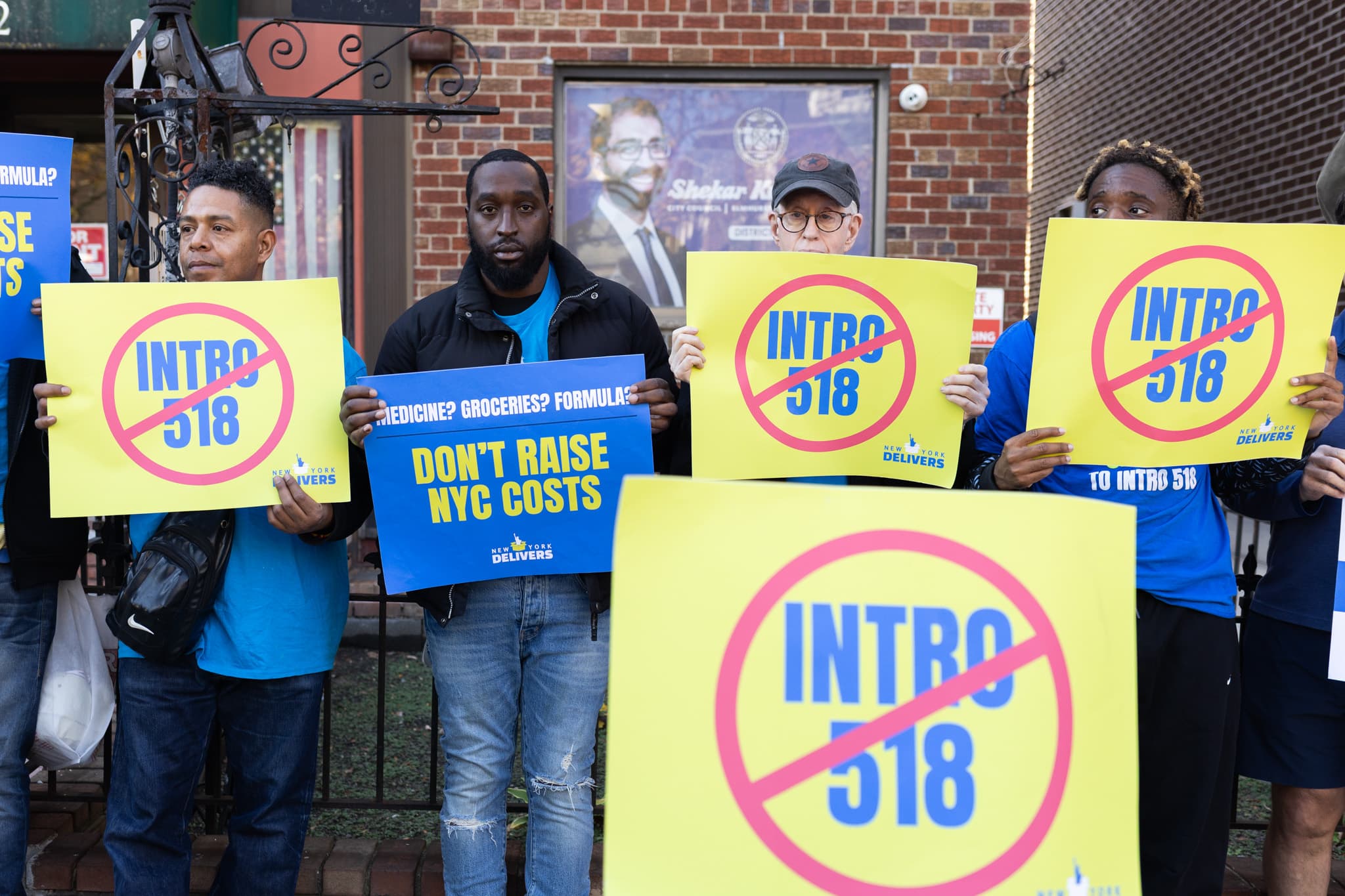
Amazon warned New York City app users they could face a $5 surcharge on every order if municipal lawmakers pass a bill barring the company from subcontracting its local deliveries. According to The City Reporter, the digital pop-up message directed shoppers across the five boroughs to lobby the City Council against the measure.
The yellow alert button urged customers to speak out immediately. It marks an escalation in a corporate campaign that has already absorbed more than $5 million in corporate spending.
The disputed legislation, introduced by Councilmember Tiffany Cabán of Queens, would force the retail platform to hire delivery drivers directly rather than routing orders through independent intermediaries known as delivery service partners. Supporters argue direct employment gives drivers statutory recourse on job safety, predictable hours, and collective bargaining rights through the Teamsters. Amazon counters that ending the contractor model would compel the company to move distribution facilities outside city borders, cutting thousands of local jobs in the process.
A Five-Dollar Surcharge Alert Triggers a Five-Borough Lobbying Fight
The screen warning appeared directly in Amazon's digital retail app and web checkout flow. It alerted city residents that the pending municipal bill could add an immediate $5 fee to their purchases.
City Hall officials and labor leaders quickly condemned the corporate alert as an intimidation tactic aimed at scuttling the Delivery Protection Act.
Mayor Zohran Mamdani and leadership within the City Council have aligned behind the measure, framing it as an overdue correction to an insulated corporate arrangement. The Teamsters union has backed the bill, seeing direct employment as the primary legal path to organize delivery couriers across the five boroughs.
Amazon has contested that narrative with warnings of operational collapse inside city limits. The retailer stated it would shutter its contracted logistics hubs and eliminate thousands of package-handling positions if compelled to absorb drivers as direct payroll staff.
The public sparring has set executive leadership against municipal regulators in one of the company's dense delivery markets. Delivery service partners run more than 40 separate hub operations across New York City, deploying couriers in vans, on electric cargo bikes, and on foot.
How the Caban Legislation Targets Subcontracted Logistics Routes
Under the existing framework, couriers operate under the Amazon logo, follow algorithmic routes assigned by Amazon software, and wear Amazon-branded clothing. Yet their paychecks, workers' compensation coverage, and direct management flow through third-party corporations.
Cabán's proposal strips away that separation by holding the parent company directly liable as the legal employer. Backers say the shift would halt the practice of using legal corporate layers to absorb workplace injuries, labor disputes, and sudden contract cancellations.
Samuel Levine, commissioner of the Department of Consumer and Worker Protection, publicly characterized the structure as labor exploitation during an address last month. Levine and mayoral aides have argued that third-party delivery partners operate functionally as shell companies for the online retailer.
Amazon spokesperson Steve Kelly disputed that classification, pointing to the international footprint of the third-party framework. Kelly noted that 4,500 independent contractors operate across 22 countries, generating $75 billion in revenue and creating hundreds of thousands of jobs worldwide.
Kelly maintained that most partner companies run profitable, expanding operations with rising year-over-year margins. Amazon claims that dismantling the system would extinguish viable minority-owned and veteran-owned operations throughout New York City.
Contractors, Couriers, and the Debate Over Local Ownership
The push by city legislators has created a distinct fracture between small logistics owners and the municipal labor coalition. Business owners operating these delivery hubs insist they run legitimate corporate entities rather than legal shields.
Jessica Walker, president of the Manhattan Chamber of Commerce, came out strongly in defense of the local contractor firms. Walker argued that the owners are authentic entrepreneurs who adhere to local workplace laws and deserve regulatory protection from municipal interference.
Rudy Cazares, a former Marine Corps officer who owns Cazar Logistics, stated his business cannot survive if the City Council passes the ban. Cazares told reporters that managing an Amazon fleet provided an ownership route that traditional corporate avenues denied him, while giving him room to hire workers who face similar hiring hurdles.
Other fleet operators report competitive wage structures within the borough networks. One delivery owner left a career in commercial finance to run a local delivery fleet that pays drivers upwards of $27 per hour alongside a $5,000 tuition benefit.
Shannon Lindley, a general manager at a Midtown logistics hub who holds a high school diploma, said the partner model opened management pathways that required college credentials elsewhere. Lindley noted that smaller operating firms allow employees with practical experience to gain supervisory traction.
Yet several drivers counter that the decentralized structure produces fragile working conditions. Couriers report that the corporate parent dictates delivery cadences, physical load volumes, and delivery targets, while contractor owners handle the resulting injuries and turnover without corporate safety nets.
Abrupt Terminations and the Teamsters Labor Complaints
Driver advocates argue that job security under the contractor system is already unstable, pointing to sudden closures of delivery partner hubs. State regulatory filings show a recurring pattern of rapid contract terminations across the region.
In August, the Teamsters union filed a complaint with the New York State Department of Labor accusing Amazon and 13 delivery partners of violating the state's Worker Adjustment and Retraining Notification Act. The union alleged the companies failed to provide mandatory 90-day statutory notice before cutting approximately 1,300 logistics workers.
State labor rules require mid-sized and large employers to alert staff well before mass layoffs. The union's administrative filing argues that coordinating route volumes while dissolving contractor corporations circumvents state worker notice mandates.
Contract cancellations have continued into the autumn. Earlier this month, Amazon abruptly terminated its working contract with a cargo bike delivery partner stationed on Delancey Street.
The cancellation eliminated 200 electric bike delivery jobs overnight without notice appearing on the official state WARN tracker, according to reporting from Streetsblog. Displaced couriers noted the contrast between corporate promotional campaigns celebrating diverse entrepreneurship and the sudden closure of a Black-owned micro-mobility business.
Jorge Arias, a former driver at a Maspeth delivery partner hub in Queens, recalled internal meetings where management warned workers against supporting the municipal legislation. Couriers were told the legislation would eradicate their positions, though several expressed interest in holding the parent company directly accountable for daily working conditions.
Council Floor Deadlines and the Precedent of App-Worker Pay Fights
Legal analysts track striking parallels between Amazon's public fight and previous municipal battles over app-based gig work in New York. The tactical script echoes earlier industry campaigns against local labor mandates.
When the city moved to set minimum pay standards for app-based ride-hail drivers, Uber launched public warnings about punishing customer fees and threatened to pause operations. Elizabeth Pancotti, policy director at the Groundwork Collective, pointed out that similar threats failed to diminish ride availability once the pay rules took effect.
The delivery legislation now heads toward decisive committee review and full floor scheduling inside City Hall. Lawmakers must weigh the company's threatened operational retreat against union demands for enforceable worker protections.
Contractors continue to petition council members, warning that their equipment investments and fleet leases will collapse if the bill becomes law. The retail platform's customer-facing alerts indicate that corporate leadership intends to keep consumer pricing at the center of the legislative debate as votes approach.
The Morning Brief
One email a day with the stories that matter. Free, forever.
No spam. Unsubscribe anytime.
Comments (0)
Be the first to share your thoughts.