
Why Atlantic Canada Can No Longer Rely on the Myth of Water Abundance
A Dalhousie University study reveals that water-rich Nova Scotia faces rising drought risks, with shallow aquifers and rural wells drying up after 2016.
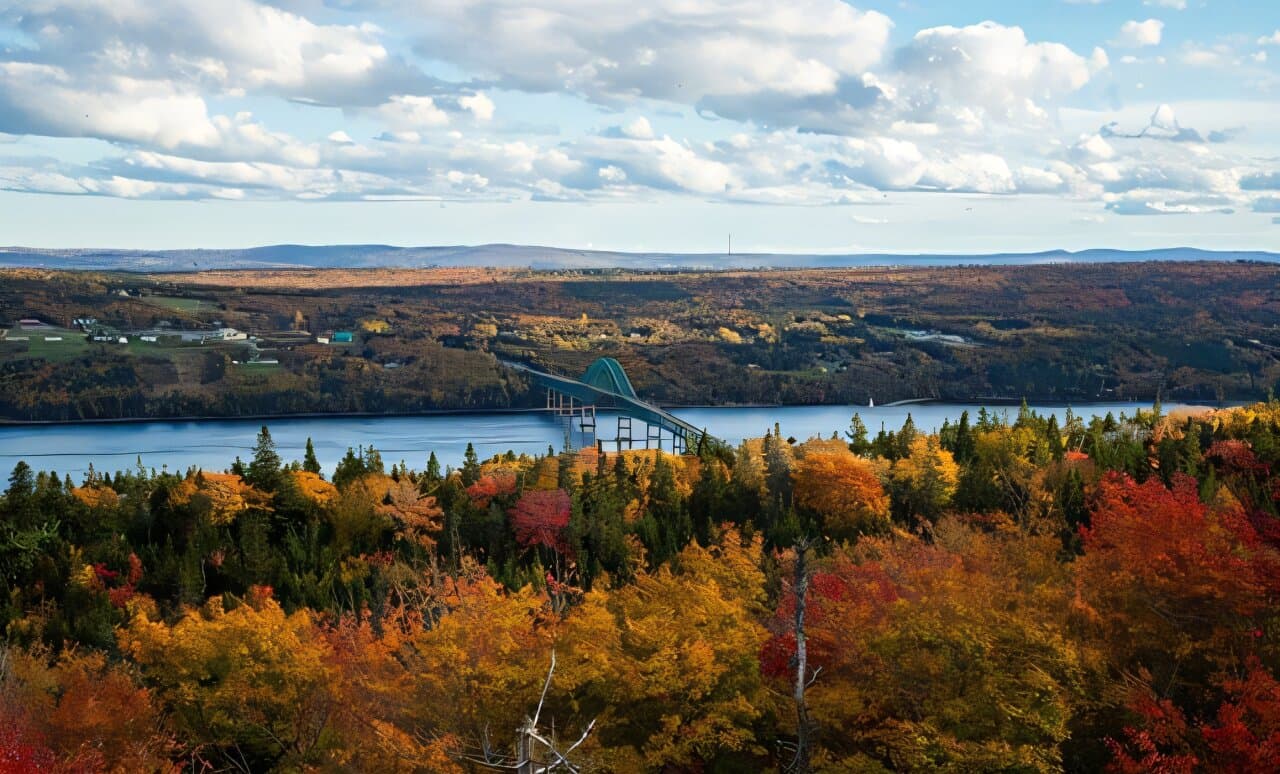
Rain gauges along the Atlantic coastline capture hundreds of millimeters of precipitation each year, yet nearly half of Nova Scotia drinks from underground reserves that are quietly retreating. According to reporting by phys.org, a research project led by Dalhousie University and published in the Journal of Hydrology overturns the conventional assumption that cool, maritime provinces stay permanently shielded from water scarcity.
For generations, the conventional view across eastern Canada treated drought as an inland disaster. Planners looked at dry prairie basins or parched western valleys and assumed coastal humidity served as an impenetrable insurance policy. The Dalhousie data breaks that assumption down to the bedrock.
By tracking 17 years of hydrogeological measurements across Nova Scotia, researchers discovered that groundwater levels, surface streamflows, and weather cycles have synchronized into clear downward trends. That subterranean drying intensified dramatically after 2016, setting off structural water deficits where residents least expected them.
Maritime Geography Built an Illusion of Infinite Supply
The argument for complacency in Atlantic Canada always looked sound on paper. The province sits enveloped by the Atlantic Ocean, buffeted by regular coastal weather systems that dump heavy rain across forests and rocky peninsulas. Surface reservoirs regularly brim in the spring.
Because surface water appeared everywhere, municipal planners and rural homeowners structured their entire lifestyle around cheap, effortless extraction. Approximately half of all Nova Scotians draw their daily drinking water directly from private underground wells. For decades, throwing an unlined concrete cylinder twenty feet into the dirt yielded all the clean water a household needed.
That visual abundance created widespread institutional apathy. When local rivers swell and storm systems flood coastal roads, nobody worries about subterranean drought. Provincial policy treated groundwater as a self-replenishing sponge that would continuously absorb and buffer whatever seasonal shifts took place above ground.
Water utility budgets stayed low. Well-drilling regulations remained permissive. Communities built sprawling rural subdivisions reliant entirely on shallow private extraction, operating under the comfortable belief that a wet coastline cannot run out of water.
Seventeen Years of Subterranean Records Disprove the Abundance Consensus
That consensus collides directly with empirical data assembled by Dalhousie University's Coastal Hydrology Lab. Researchers examined 17 years of continuous observations, measuring net precipitation, baseflow discharge into streams, and water levels across regional monitoring wells.
The numbers reveal a steady structural decline. Far from staying isolated, the province's atmospheric weather, surface streams, and subterranean aquifers now lock into synchronized declines during dry spells. When one drops, the others fall in tandem, removing the buffering capacity that rural communities rely on during extended dry spells.
The research team identified 2016 as a sharp dividing line. Following that year, regional drought indicators shifted noticeably toward drier baselines, accelerating declines across several hydrological metrics at once.
Lead author Armita Motamedi, a doctoral researcher at the laboratory, pointed out how cultural assumptions blind people to clear physical shifts. "While drought is familiar in arid places like my home country of Iran, it is an often-overlooked yet growing threat in wetter regions like Nova Scotia," Motamedi explained. "Because water has always seemed abundant here, people may underestimate the importance of preparing for periods of water scarcity. However, recent droughts suggest it's time to rethink that view and consider how we can maintain reliable water supplies during future droughts."
Dr. Barret Kurylyk, a professor and Canada Research Chair in Coastal Water Resources in Dalhousie's Faculty of Engineering, co-authored the project. The team proved that moisture in the air does not equal water in the stone.
Shallow Dug Wells Bear the Brunt of Collapsing Autumn Baselines
The clash between geological reality and residential infrastructure hits hardest in the autumn months. The study singled out fall as the period experiencing the most pronounced drying trends across the province.
Autumn is already the most vulnerable window for Atlantic water tables. Summer heat draws down moisture through soil evaporation and plant transpiration, leaving local aquifers depleted before winter arrives. When autumn rains arrive late or fall short of historic averages, the system breaks down.
The physical burden falls unevenly across different well designs. The Dalhousie data showed that shallow, unconfined aquifers suffer far greater swings and steeper volume losses during dry windows than deeper, bedrock-drilled aquifers.
That technical distinction creates an immediate household crisis. Tens of thousands of older homes across Nova Scotia rely on shallow dug wells rather than deep drilled boreholes. A dug well typically reaches only 10 to 25 feet beneath the surface, capturing water perched near the top of the local soil profile.
When baseflow sinks, those shallow pits go dry first. A drilled well penetrating 150 feet into fractured crystalline rock continues pumping while a neighbor's dug well draws pure air. The research confirms that the margin of error for shallow residential wells has virtually disappeared across late summer and early fall.
Warming Coastal Winters Strip Aquifers of Their Cold-Season Buffer
The crisis in Atlantic Canada connects to broader shifts documented across international Climate & Environment studies. Cold, humid coastal regions worldwide are seeing their hydrological baselines disrupted by rising winter temperatures.
Snowpack traditionally acts as a delayed-release reservoir. Heavy snow locks moisture in place through January and February, slowly melting into thawing soils as temperatures rise in March and April. That gradual percolation feeds shallow aquifers far more effectively than intense, sudden rainstorms that generate rapid surface runoff straight into the ocean.
As winter temperatures rise, coastal Atlantic storms increasingly drop heavy rain instead of snow. The water rushes into streams, triggers localized street flooding, and drains into the sea within hours, leaving the regional aquifer starved of slow infiltration.
The Dalhousie findings published in the Journal of Hydrology provide a warning for similar coastal corridors in northern Europe and New England. New research in modern Sci-Tech tools reveals that cold humid geographies are trading stable subterranean storage for volatile, short-lived precipitation spikes.
Rural Well Owners Confront an Expensive Hydrogeological Divide
Nova Scotia now faces a financial and logistical reckoning that neither homeowners nor town councils budgeted for. Municipal water networks rarely extend beyond dense town centers, leaving rural populations entirely responsible for securing their own drinking supply.
Homeowners with drying dug wells cannot simply wait for rain. Replacing a failed dug well with a modern drilled well requires contracting heavy rotary drill rigs to bore deep into granite or slate bedrock. In Atlantic Canada, that work routinely costs between 8,000 and 15,000 dollars per household.
That cost creates an immediate equity divide across rural districts. Wealthier residents can finance deep boreholes, submersible pumps, and multi-stage filtration units to bypass shallow aquifer collapse. Fixed-income retirees and lower-income families end up relying on plastic emergency storage tanks, municipal water haulers, and bulk bottled water whenever September dry spells arrive.
Local agricultural producers face identical pressure. Livestock and orchard operations built around historical creek flow and shallow irrigation ponds find seasonal buffers shrinking earlier each summer. Earlier detection and localized water metering can give producers advance warning, but warning systems do not drill deeper wells or make rain soak through dry soil.
Provincial administrators face an uncomfortable choice: continue subsidizing emergency water deliveries every dry autumn, or overhaul building codes to mandate expensive drilled wells on all rural properties. The era of assuming a bucket dropped into coastal soil will always come back full has quietly ended.
The Morning Brief
One email a day with the stories that matter. Free, forever.
No spam. Unsubscribe anytime.
Comments (0)
Be the first to share your thoughts.