
Guatemala Honors Nobel Laureate Miguel Ángel Asturias with Homecoming Burial After Five Decades
Guatemala finally laid Nobel laureate Miguel Ángel Asturias to rest at home, ending a five‑decade exile and prompting fresh debates on cultural memory.
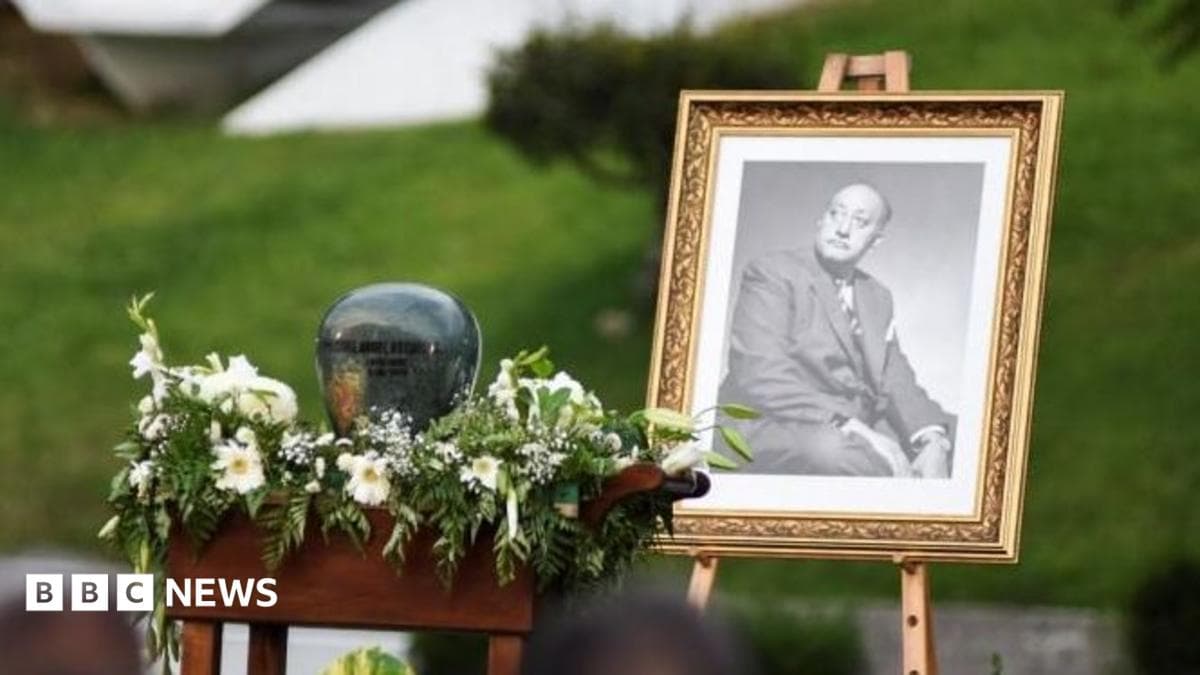
According to the BBC, the ashes of Miguel Ángel Asturias, Guatemala’s only Nobel laureate in literature, were finally interred in his native land 52 years after his death in exile. The urn was lowered into soil gathered from across the country at a ceremony held in a cultural centre that bears his name in Guatemala City.
Why the return matters
The repatriation of Asturias’s remains is more than a symbolic gesture; it signals a tentative reconciliation with a painful chapter of Guatemalan history. After a CIA‑backed coup in 1954 toppled the democratically elected president Jacobo Árbenz, Asturias was stripped of his citizenship, his books were banned, and he was forced to live abroad until his death from cancer in Madrid in 1974. The current president, Bernardo Arévalo, who took office in 2023, authorized the transfer of the ashes from Paris’s Père Lachaise cemetery, framing the act as a restoration of national pride and cultural memory.
A life of exile and literary activism
Born in 1899, Asturias first left Guatemala in the 1920s to study ethnology in Paris, where he fell under the influence of surrealist writers. While living in France, he published Legends of Guatemala, a retelling of Maya origin myths that introduced indigenous narratives to a wider audience. His later works, including the 1946 novel The President and the three‑volume Banana Trilogy, exposed the brutality of Latin American dictatorships and the exploitation of indigenous labor on banana plantations.
Perhaps his most celebrated novel, Men of Maize (1949), delves into the clash between traditional Maya communities and the encroaching forces of modernity. The book earned him the Nobel Prize for Literature in 1967, praised for its vivid language and its unflinching portrayal of indigenous struggles.
During Guatemala’s “Ten Years of Spring” (1944‑1954), Asturias served in several diplomatic posts throughout Central and South America, using his position to advocate for cultural and political reforms. However, the 1954 overthrow of President Árbenz—widely recognized as a CIA‑backed operation—led to Asturias’s exile, the revocation of his citizenship, and a ban on his publications.
The burial ceremony
On Sunday, a crowd gathered at the Miguel Ángel Asturias Cultural Centre, where the urn was placed in a shallow grave beneath a canopy of Guatemalan flag‑colored ribbons. The soil, collected from the highlands, the Pacific coast, and the rainforests, symbolized the nation’s diverse geography and peoples that Asturias celebrated in his writing.
Asturias’s son, also named Miguel Ángel Asturias, spoke emotionally, addressing his father directly: "I can tell you, old man, that you are with us, you are in your homeland, you will sleep beneath your own skies." He added that his father had always wanted to return home, but political conditions had prevented it.
President Arévalo praised the writer as “our voice in the world” and declared, "He deserved to rest in the land he named and reinvented in his pages." Arévalo’s own father, Juan José, had appointed Asturias to the diplomatic service during the Ten Years of Spring, linking the two families across generations of public service.
Rigoberta Menchú, Nobel Peace Prize laureate and indigenous rights activist, stood beside Asturias’s son, underscoring the continued relevance of the author’s advocacy for marginalized communities.
Implications for Guatemala’s cultural policy
The ceremony has sparked renewed debate about how Guatemala confronts its authoritarian past. Scholars note that returning the ashes of a figure once vilified by the state may encourage a broader reassessment of censored literature and suppressed histories. Cultural ministries have announced plans to restore banned works to public libraries and to incorporate Asturias’s texts into school curricula.
Critics, however, caution that symbolic gestures must be matched by concrete reforms. Human‑rights groups point to ongoing impunity for crimes committed during the civil war and call for stronger protections for journalists and indigenous activists.
In the political arena, the event has been seized upon by opposition parties as evidence of the Arévalo administration’s commitment to “healing” the nation, while also highlighting lingering divisions over the legacy of the 1954 coup. The BBC’s coverage of the burial linked the historical coup to contemporary discussions about foreign intervention, urging readers to consider how past external influences continue to shape Guatemalan sovereignty.Politics
What comes next?
As Guatemala moves forward, the repatriation of Asturias’s ashes may serve as a catalyst for further cultural restoration projects, including the restoration of historic sites linked to the author’s life. Observers will watch whether the government follows through on promises to revive banned literature and to protect the rights of indigenous peoples, a cause that defined much of Asturias’s work.
For now, the nation can claim that one of its most resonant literary voices rests beneath its own skies, a poignant reminder that art and memory can outlive exile and repression.
The Morning Brief
One email a day with the stories that matter. Free, forever.
No spam. Unsubscribe anytime.
Comments (0)
Be the first to share your thoughts.